
Blog
Make.com ATS Security: Protect Candidate PII
Implement robust Make.com ATS data security measures. This guide provides 7 steps to encrypt PII, manage keys, and use tokenization to secure sensitive candidate data transfers.
Automate Job Applications: Send Make.com Webhooks to Slack
Stop manually tracking job applications. Set up a Make.com webhook automation to instantly send new applicant data directly to your dedicated Slack channel. Improve hiring efficiency and speed.
Case Study: Nick’s Small HR Team Reclaimed 150+ Hours Per Month
Nick's 5-person HR team at a 200-employee company reclaimed more than 150 hours per month with three Make.com automations. See how 4Spot engineered the workflow fix and what the ROI looked like after 90 days.
Make.com Internal Tools: Practical API Integration Examples
Stop relying on custom code. Use Make.com to architect precise internal tools through strategic API integration. Review practical examples for HR, CRM, and data harmonization. Drive operational efficiency and scalable growth.
Custom AI Resume Parser Training for Niche Talent Acquisition
Stop losing specialized talent. Customized AI resume parser training is essential for niche industries. Use proprietary, domain-specific data to optimize screening and hire top performers.
9 HR Software Pricing Red Flags That Signal Hidden Costs in 2026
Don't get trapped by HR software pricing. Learn the 7 critical warning signs to spot hidden fees, avoid vendor lock-in, and select transparent HR tech.
Proactive Keap Restore: Use Roles to Prevent Data Loss
Stop reacting to Keap data disasters. Implement Keap Roles strategically to define granular permissions, prevent data loss and errors, and build a resilient CRM restore strategy.
Zapier vs Make.com (2026): Which Is Better for HR Automation Cost & Scale?
For HR teams running simple two-step automations, Zapier is adequate. For any team processing high application volumes, multi-branch onboarding workflows, or ATS-to-HRIS syncs, Make.com™ delivers measurably lower per-workflow cost, greater data control, and architecture that scales without bill shock. The cost gap widens every time your hiring volume grows.
Make.com vs Power Automate (2026): Which Is Better for HR Automation?
See how Make.com HR Automation 2025 features optimize TA. Use AI to screen candidates and build hyper-automated onboarding flows that ensure compliance and save 25% of your team's time.
EU AI Act: HR Compliance for High-Risk AI Systems
The EU AI Act classifies AI-driven recruiting, performance scoring, and workforce monitoring as high-risk — meaning mandatory risk registers, human oversight, and bias audits before deployment, not after. Organizations that treat this as a documentation exercise will fail enforcement reviews. The firms that survive are the ones that rebuild their HR automation spine to produce compliance artifacts automatically, as a byproduct of every workflow run.
Keap Order Automation: Build Resilient Data Systems
Learn how strategic Keap order automation eliminates manual errors and prevents costly data restoration needs. Secure your revenue streams, maintain data integrity, and build truly resilient Keap operations.
Keap Rollback vs. Backups: Data Recovery Pros & Cons
Compare Keap Rollback and traditional data backups. Rollback fixes accidental deletes fast; traditional backups protect against disasters. Determine the right hybrid CRM data strategy.
Master Data Integrity: Manual to AI Backup Verification
Stop risking data loss. Explore the evolution of backup verification, moving from manual and script checks to intelligent, AI-powered systems that guarantee data restorability and integrity.
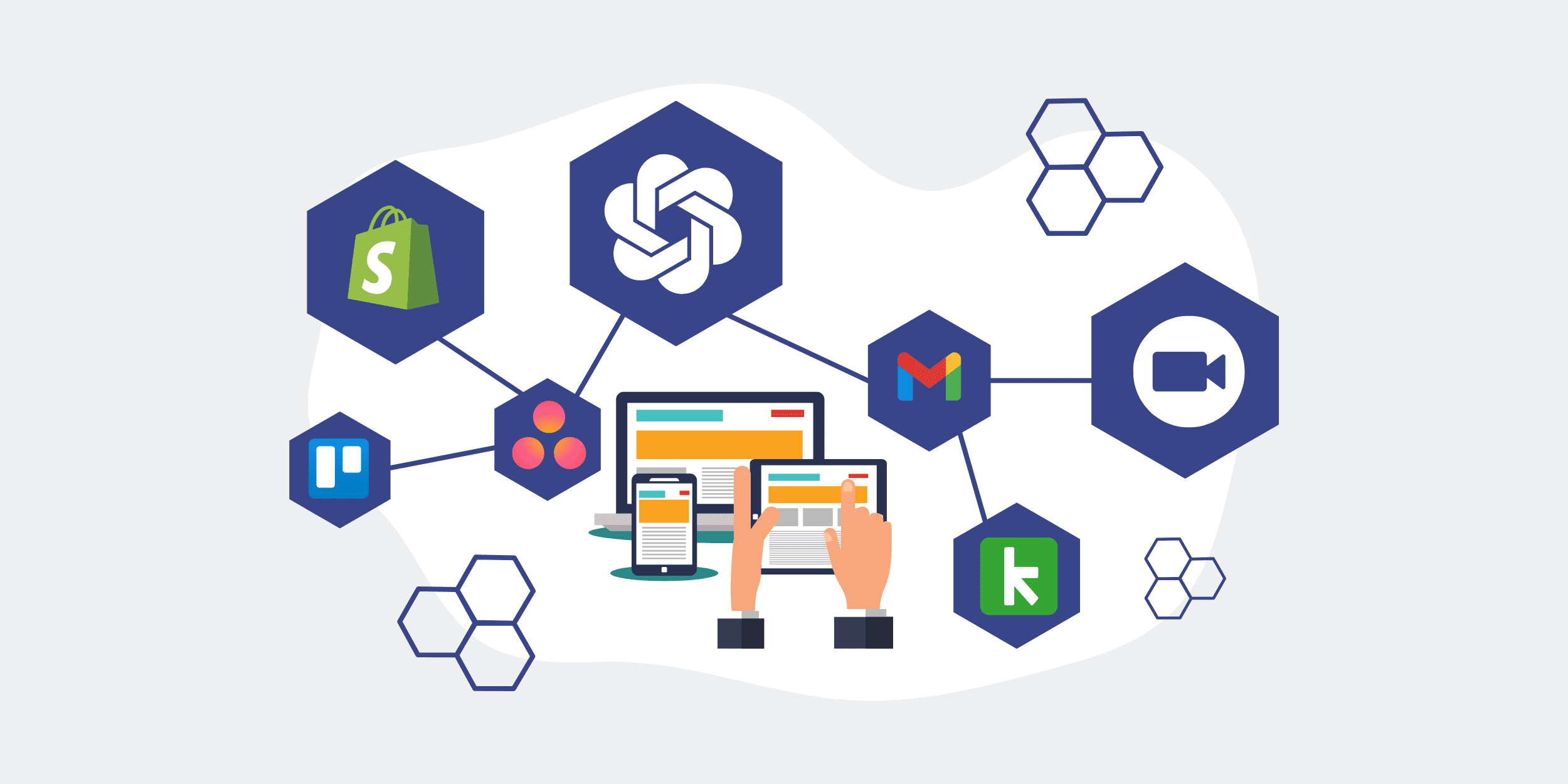
Incremental Backups: Granular Defense for Ransomware
Modern ransomware targets backups. Implement incremental backups to gain frequent recovery points, minimize data loss, and ensure granular data restoration and business continuity.
Resilient AI for Skill Matching in Talent Acquisition: Frequently Asked Questions
Resilient AI for skill matching is an architecture problem, not a tool-selection problem. Organizations that build on clean data pipelines, continuous feedback loops, and deterministic automation as the foundation — then layer AI only at specific judgment points — outperform those that deploy AI first and patch brittle systems later.



