
Blog
Keap Rollback: Restore Lost Contacts, Orders, and Data
Protect your Keap data. Implement a precise Keap rollback strategy to restore contacts, sales orders, and pipelines lost to error. Ensure continuity and build operational confidence.
Ethical AI in HR After GAIWEC: How TalentEdge Built a Compliant Automation Framework
Ethical AI in HR is not a constraint on automation ROI — it is the prerequisite for sustaining it. TalentEdge built its automation spine first, inserted AI only at discrete judgment points, and emerged with $312,000 in annual savings, 207% ROI, and a governance structure that maps directly to the GAIWEC Framework's four pillars: transparency, fairness, human oversight, and data privacy.
Webhooks vs. Polling: Critical HR Alerts with Make.com
Webhooks win every critical HR alert scenario. They fire the instant an event occurs — zero latency, deterministic, audit-ready. Polling introduces gaps of minutes to hours, which translates directly into compliance exposure, degraded candidate experience, and missed onboarding windows. For any HR trigger where delay has a cost, webhooks are not a preference — they are the only defensible architecture.
Identify & Merge Duplicate Keap Order Records
Duplicate Keap order records erode trust and accuracy. Master the strategy to identify root causes, audit data, and safely merge duplicates. Ensure clean financial reporting and sustainable data hygiene.
Instant Access: The Recruiter’s Secret to Faster Hiring
Transform your dormant database into a dynamic recruiting asset. Instantly access past candidate data to quickly find vetted talent, reduce time-to-hire, and improve your employer brand.
Automated Onboarding: Why the Human Touch Still Wins
Avoid disengagement during automated onboarding. Use strategic human touchpoints to build trust, accelerate integration, and significantly boost employee retention rates.

Keap Compliance: Instant Data Recovery for GDPR & HIPAA
Protect your Keap data. Instant recovery provides granular, point-in-time restoration needed to satisfy GDPR, CCPA, and HIPAA compliance requirements. Ensure audit readiness and prevent costly fines.
Cut Time-to-Hire: Strategic Recruitment Workflow Automation
Slow hiring is a structural problem, not a effort problem. Automating your recruiting workflow — from application parsing through offer letter delivery — systematically removes the handoff delays that cost you top candidates. Follow these six steps to cut time-to-hire by 40–60%, reclaim recruiter hours, and make your hiring process a competitive advantage.
Keap E-commerce Integration: Unify Orders with Customer History
Break down data silos by connecting Keap E-commerce transactions directly to customer history. Integrate orders with Keap CRM records to improve service, automate follow-ups, and drive growth.
The Make.com Champion Is HR’s Most Undervalued Strategic Asset
Every HR department that has systematically adopted automation has one thing in common: a single owner who understands process, not just software. The Make.com™ champion is that owner. They are the difference between a scattered set of automations and a compounding operational advantage that frees HR to do the judgment-heavy work automation will never replace.

Build Resilient HR Systems with Agile Automation and AI
Resilient HR systems are not rebuilt in a single overhaul — they are re-architected in deliberate, auditable iterations. The organizations that break free from brittle, manual pipelines do it by automating the highest-friction point first, logging every state change, and layering AI only where deterministic rules break down. The result: faster hiring, fewer data errors, and operations that scale without firefighting.
HighLevel API Restore: 9 Functions Developers Must Master
Protect client data using essential HighLevel API functions for restore. We detail the 9 critical endpoints needed to recover contacts, manage users, and rebuild automations.
Secure Your Keap Integrations: Data Security Best Practices
Integrate Keap efficiently without sacrificing security. Master data security best practices, vet third-party vendors, and protect vital information across your connected Keap ecosystem.
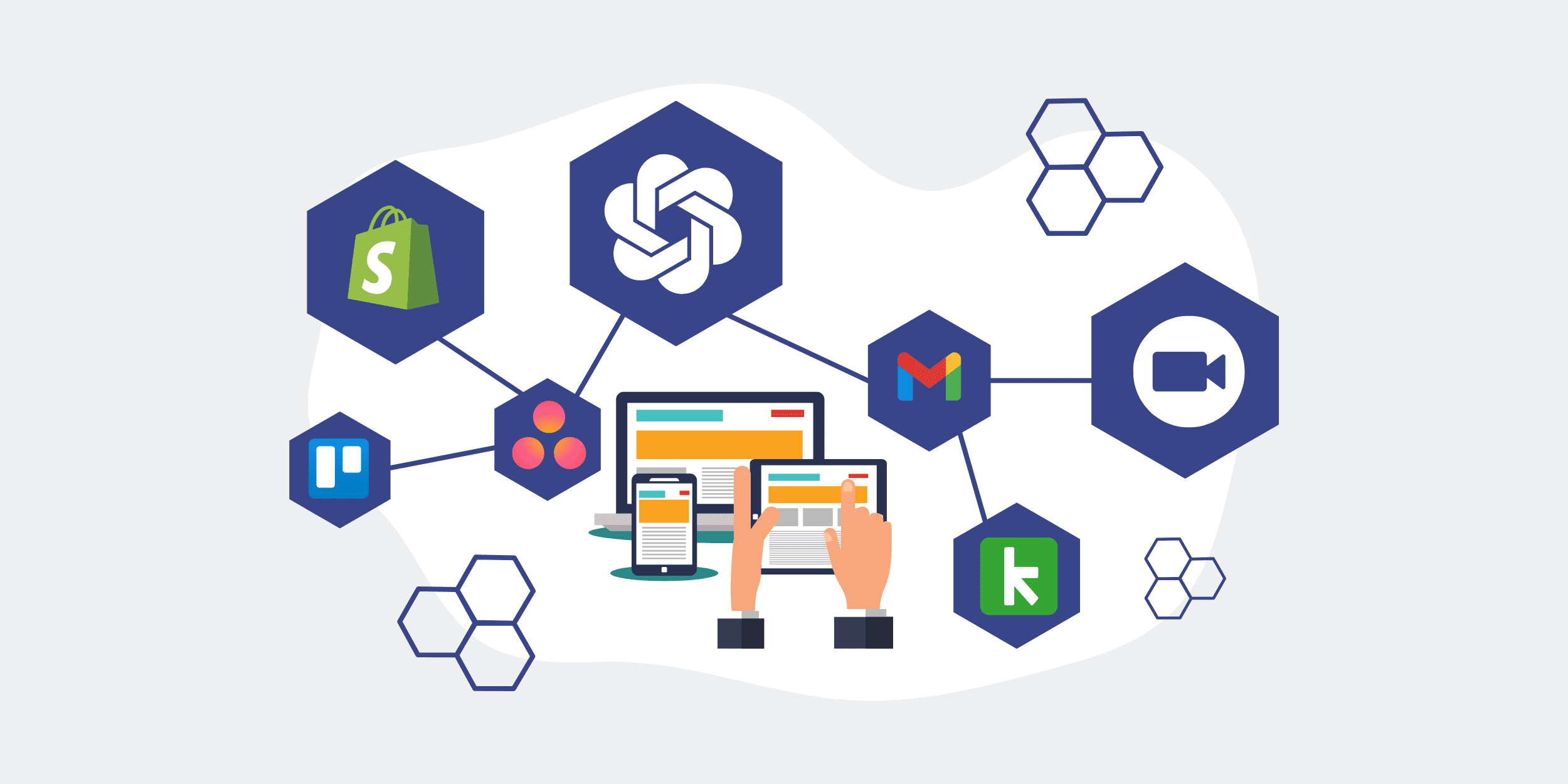
N8n vs Make.com: Choose the Best HR Integration Platform
Strategic HR requires custom dashboards. Compare N8n vs Make.com to find the ideal HR integration platform. Consolidate disparate data, drive better decisions, and save critical time.
Customer Health Scores: Predict Churn and Stabilize Revenue
Stop revenue loss. Use data-driven Customer Health Scores to accurately predict B2B churn before it occurs. Learn how to calculate and automate critical customer success metrics.



