The Hidden Costs of Manual Data Entry in CRM and How Automation Solves It
For high-growth B2B companies, a Customer Relationship Management (CRM) system is more than just a database; it’s the heartbeat of sales, marketing, and customer service. Yet, for many, this vital system is crippled by a silent, insidious drain: manual data entry. It’s a task often relegated to junior staff or, worse, high-value employees, consuming precious time and introducing a cascade of errors that can profoundly impact the bottom line. While the direct cost of an hour spent typing might seem negligible, the cumulative effect of manual data entry extends far beyond the hourly wage, touching every aspect of operational efficiency and revenue generation.
Consider the typical scenario: a new lead comes in, a sales call occurs, an agreement is drafted, or a project milestone is reached. Each of these events generates data that needs to be meticulously recorded, updated, and cross-referenced within the CRM. When this is done manually, several critical issues arise. First and foremost, human error is inevitable. A misspelled name, an incorrect date, a forgotten field, or an outdated contact detail can lead to communication breakdowns, compliance issues, and inaccurate reporting. These aren’t minor inconveniences; they directly translate to missed opportunities, wasted marketing spend, and a fragmented view of your customer.
The True Price Tag of Tedious Tasks
The “hidden costs” of manual CRM data entry are multifaceted. Beyond the direct labor expense and the inherent error rate, there’s a significant opportunity cost. Every minute an employee spends on repetitive data input is a minute not spent on strategic thinking, engaging with clients, or closing deals. For a sales team, this means less time selling. For an operations team, it’s less time optimizing processes or improving service delivery. This constant tug-of-war between administrative overhead and productive work stifles growth and innovation.
Furthermore, manual processes introduce significant delays. The lag between an event occurring and its accurate reflection in the CRM can lead to outdated information being used for critical decisions. Imagine a sales rep following up on a lead that has already converted, or a customer service agent lacking the most current interaction history. These inefficiencies erode customer trust and create internal friction. Scalability also becomes a major hurdle; as your company grows, the volume of data compounds, making manual management an unsustainable and increasingly expensive endeavor.
From Burden to Backbone: The Power of Automation
At 4Spot Consulting, we approach these challenges with a strategic, outcomes-driven methodology. Our OpsMesh framework is designed to weave together disparate systems and eliminate the manual gaps that bleed time and resources. For CRM, this means moving beyond simple integrations to truly intelligent automation that captures, processes, and disseminates data seamlessly.
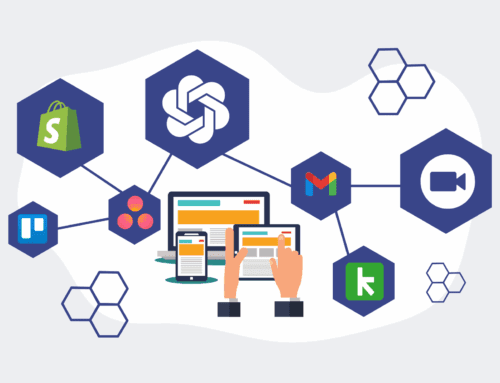
Imagine a world where a new lead from your website automatically creates a contact in Keap, assigns it to the correct sales rep, and triggers a personalized welcome email sequence. Or where a signed PandaDoc proposal automatically updates the deal stage, initiates an onboarding workflow, and notifies the finance team. This isn’t futuristic fantasy; it’s the operational reality we build for our clients using tools like Make.com, Unipile, and AI-driven solutions.
Our OpsMap diagnostic helps us uncover precisely where these inefficiencies lie within your specific business processes. We identify the bottlenecks, quantify the time and cost savings potential, and then, through OpsBuild, implement bespoke automation solutions. For instance, we helped an HR tech client save over 150 hours per month by automating their resume intake and parsing process using Make.com and AI enrichment, then syncing directly to their Keap CRM. This wasn’t just about saving time; it was about ensuring data accuracy from the first touchpoint, accelerating candidate engagement, and allowing their team to focus on strategic recruitment rather than manual data entry.
Reclaiming Your Team’s Day and Your Business’s Edge
The elimination of manual data entry in CRM isn’t merely about saving a few hours here and there; it’s about fundamentally transforming how your business operates. It empowers your high-value employees to perform high-value work, significantly reduces human error, and provides a single, reliable source of truth for all customer interactions. This streamlined approach fosters greater collaboration, enables faster decision-making, and creates a scalable foundation for sustained growth without the need to endlessly hire more administrative staff.
By automating your CRM data workflows, you’re not just plugging a leak; you’re building a more resilient, efficient, and profitable business. You gain back the 25% of your day that was once lost to repetitive tasks, allowing your team to focus on what truly drives your mission forward: delivering exceptional value to your customers.
Ready to uncover automation opportunities that could save you 25% of your day? Book your OpsMap™ call today.
If you would like to read more, we recommend this article: The Blueprint for Business Automation: Your Path to 25% More Time