Beyond the Spreadsheet: Achieving Data Integrity in Automated HR & Recruiting
In today’s fast-paced business environment, HR and recruiting operations are awash in data. From applicant tracking systems to payroll platforms and employee experience tools, information flows from countless sources. Yet, for many organizations, this abundance often leads to a critical challenge: data integrity. We’ve seen firsthand how siloed systems and manual processes create an environment ripe for inaccuracies, inconsistencies, and ultimately, costly errors. It’s a problem that silently erodes efficiency and undermines strategic decision-making.
The promise of automation and AI in HR isn’t just about speeding up tasks; it’s fundamentally about establishing a robust, reliable foundation of data that can be trusted. Without this, even the most sophisticated AI models will falter, making decisions based on flawed inputs. This isn’t merely a technical hurdle; it’s a strategic imperative for any business aiming for scalable growth and operational excellence.
The Hidden Costs of Disconnected HR Data
Think about the typical lifecycle of an employee or candidate. Their journey touches multiple systems: initial application, screening, interview scheduling, offer generation, background checks, onboarding, payroll setup, benefits enrollment, performance reviews, and offboarding. If each of these stages relies on separate, disconnected databases, the potential for discrepancies multiplies. A changed address in one system might not update in another, leading to incorrect benefits statements or misdirected mail. A hiring manager might view outdated candidate notes, leading to a suboptimal interview experience.
Beyond these immediate operational headaches, the strategic implications are profound. Accurate data is the bedrock of workforce planning, talent analytics, and compliance. When data lacks integrity, it becomes impossible to truly understand your talent pipeline, identify skill gaps, or forecast future needs effectively. This means missed opportunities for growth, increased compliance risks, and a frustrating experience for both employees and HR professionals alike. We frequently encounter organizations struggling to answer fundamental questions about their workforce because their data simply isn’t talking to itself.
Building a Single Source of Truth for People Data
At 4Spot Consulting, our OpsMesh framework is designed precisely to address this fragmentation. We believe that true operational efficiency and data integrity come from creating a “single source of truth” – a unified, real-time view of your people data, regardless of where it originates. This isn’t about replacing all your existing systems; it’s about intelligently connecting them and orchestrating the flow of information.
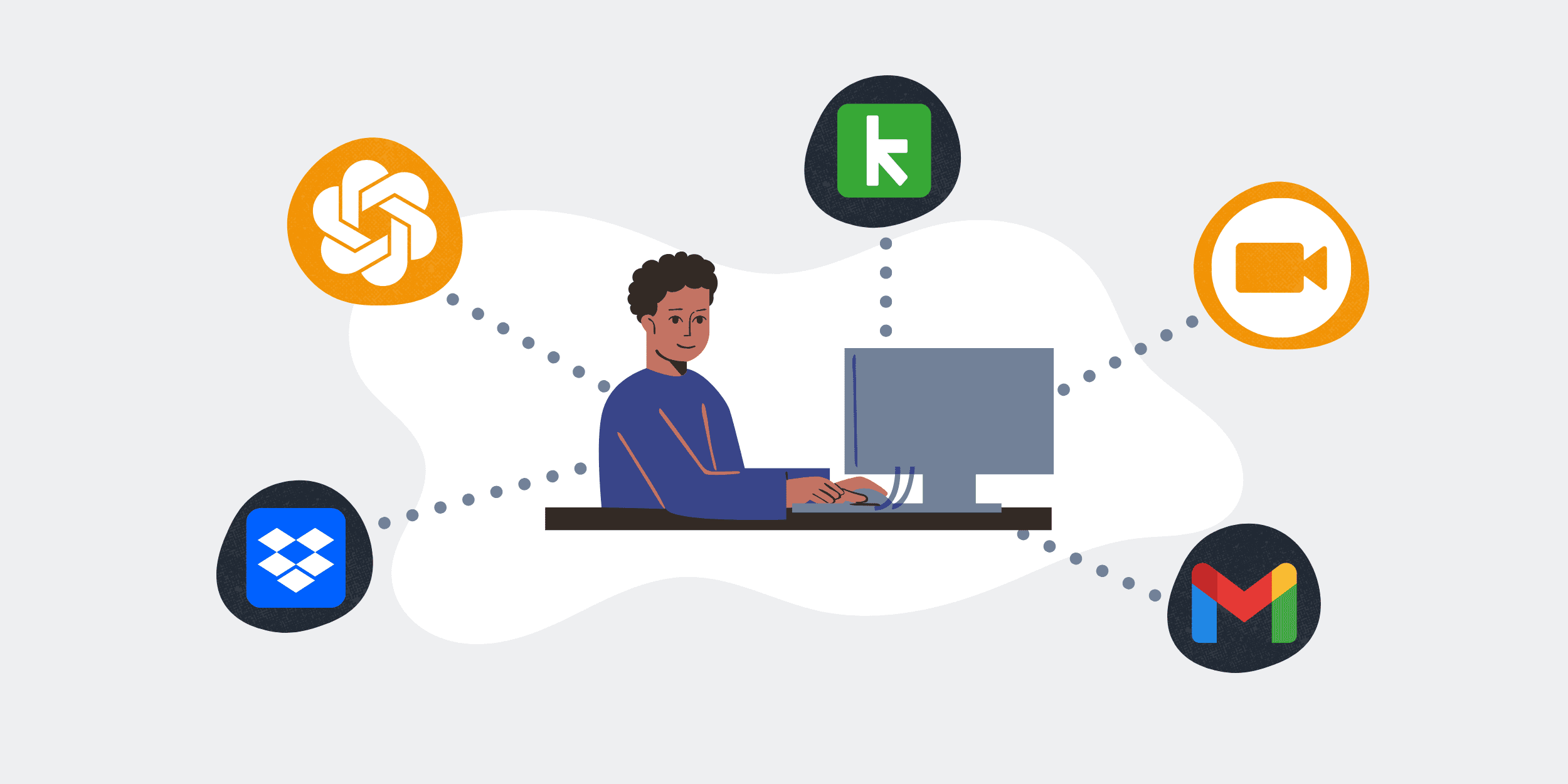
Consider the process of resume intake and parsing. Manually reviewing and inputting candidate data is not only time-consuming but also prone to human error. With automation, we can capture resumes, extract key information using AI, parse it into structured data, and then automatically sync that data into your CRM or ATS. This eliminates redundant data entry, ensures consistency, and frees up your valuable recruiting team to focus on candidate engagement, not data administration. It’s about leveraging tools like Make.com to act as the central nervous system, intelligently routing and transforming data between platforms like Keap, your HRIS, and other specialized tools.
Real-World Impact: Eliminating Manual Overheads and Ensuring Accuracy
We recently partnered with an HR tech client facing significant bottlenecks in their candidate management process. Their team was spending an exorbitant amount of time manually processing resumes, enriching candidate profiles, and inputting data across disparate systems. The result was a slow hiring cycle and a high potential for errors that impacted candidate experience and compliance.
Through an OpsMap diagnostic, we identified the critical points of friction. Our OpsBuild phase then implemented a robust automation solution. We integrated their resume intake channels with AI-powered parsing tools and orchestrated the data flow into their Keap CRM. This not only automated the entire resume processing lifecycle but also ensured that every candidate profile was consistently updated with accurate, real-time information. The outcome was transformative: the client saved over 150 hours per month, enabling their recruiters to focus on strategic sourcing and candidate engagement. As their team noted, “We went from drowning in manual work to having a system that just works.” This is the tangible benefit of prioritizing data integrity through strategic automation.
The Path Forward: From Data Chaos to Operational Clarity
Achieving data integrity in automated HR and recruiting systems isn’t a one-time fix; it’s an ongoing commitment to strategic system design and optimization. It requires a deep understanding of your operational workflows, the specific tools in your tech stack, and a forward-thinking approach to how data moves through your organization. By focusing on creating a single source of truth, businesses can eliminate human error, reduce operational costs, and build a scalable foundation for growth.
The investment in robust automation and AI isn’t just about saving time; it’s about gaining clarity, confidence, and control over your most valuable asset: your people data. It transforms HR and recruiting from administrative overheads into strategic growth drivers.
If you would like to read more, we recommend this article: The Strategic Imperative: Architecting a Single Source of Truth for Business Growth