The Invisible Drain: How Disconnected HR Systems Are Costing Your Business Talent and Profits
In today’s fast-paced business environment, efficiency isn’t just a buzzword – it’s a survival imperative. Yet, many organizations, despite investing heavily in various HR technologies, find themselves grappling with a silent, insidious problem: disconnected HR systems. These silos, often seen as minor inconveniences, are in fact a major invisible drain, actively costing businesses valuable talent, eroding profits, and stifling scalability.
Imagine your HR department as a complex machine. Each component – applicant tracking, onboarding, payroll, performance management, benefits administration – is a vital cog. But what happens when these cogs don’t mesh? Data doesn’t flow freely, information gets duplicated (or worse, lost), and critical insights remain trapped in isolated databases. This isn’t just about administrative headaches; it’s about a fundamental breakdown in your talent strategy and operational integrity.
The True Cost of Fragmentation: Beyond Time and Effort
The immediate costs of disconnected systems are obvious: the countless hours HR professionals spend on manual data entry, cross-referencing spreadsheets, and correcting errors. This low-value, repetitive work doesn’t just waste time; it actively disengages high-value employees who could be focusing on strategic initiatives like talent development, employee engagement, or workforce planning. But the ramifications extend far deeper.
Operational Inefficiencies and Increased Errors
When HR data exists in multiple, disparate systems, the likelihood of human error skyrockets. A typo in an applicant tracking system might lead to a delay in an offer letter, costing you a top candidate. Incorrect payroll information due to manual transfer can result in compliance issues and employee dissatisfaction. These aren’t isolated incidents; they are systemic vulnerabilities that compound over time, leading to significant financial penalties, reputational damage, and a breakdown of trust.
Compromised Employee Experience and Talent Attrition
Consider the journey of a new hire. From application to onboarding, an employee interacts with numerous HR processes. If each step feels like navigating a separate labyrinth – re-entering personal details, signing documents multiple times, struggling to find benefits information – it creates a fragmented, frustrating experience. In an era where employee experience is paramount, this inefficiency can deter top talent even before they start, or worse, drive existing employees to seek more streamlined environments. Talent attrition, especially among high performers, carries an immense cost in recruitment, training, and lost productivity.
Lack of Strategic Insight and Agility
Disparate systems make it nearly impossible to gain a holistic view of your workforce. Without a single source of truth for employee data, leaders struggle to make informed decisions about resource allocation, talent gaps, or the effectiveness of HR programs. How can you confidently assess the ROI of a training initiative if performance data is separate from learning management data? This lack of integrated insight hinders strategic planning, reduces organizational agility, and ultimately impacts your ability to compete effectively in the market.
Building Bridges: The Path to an Integrated HR Ecosystem
The good news is that the challenges posed by disconnected HR systems are solvable. The solution lies in a strategic approach to integration and automation, one that prioritizes a unified data strategy and leverages modern tools to connect the dots. This isn’t about ripping out existing systems; it’s about creating intelligent bridges between them.
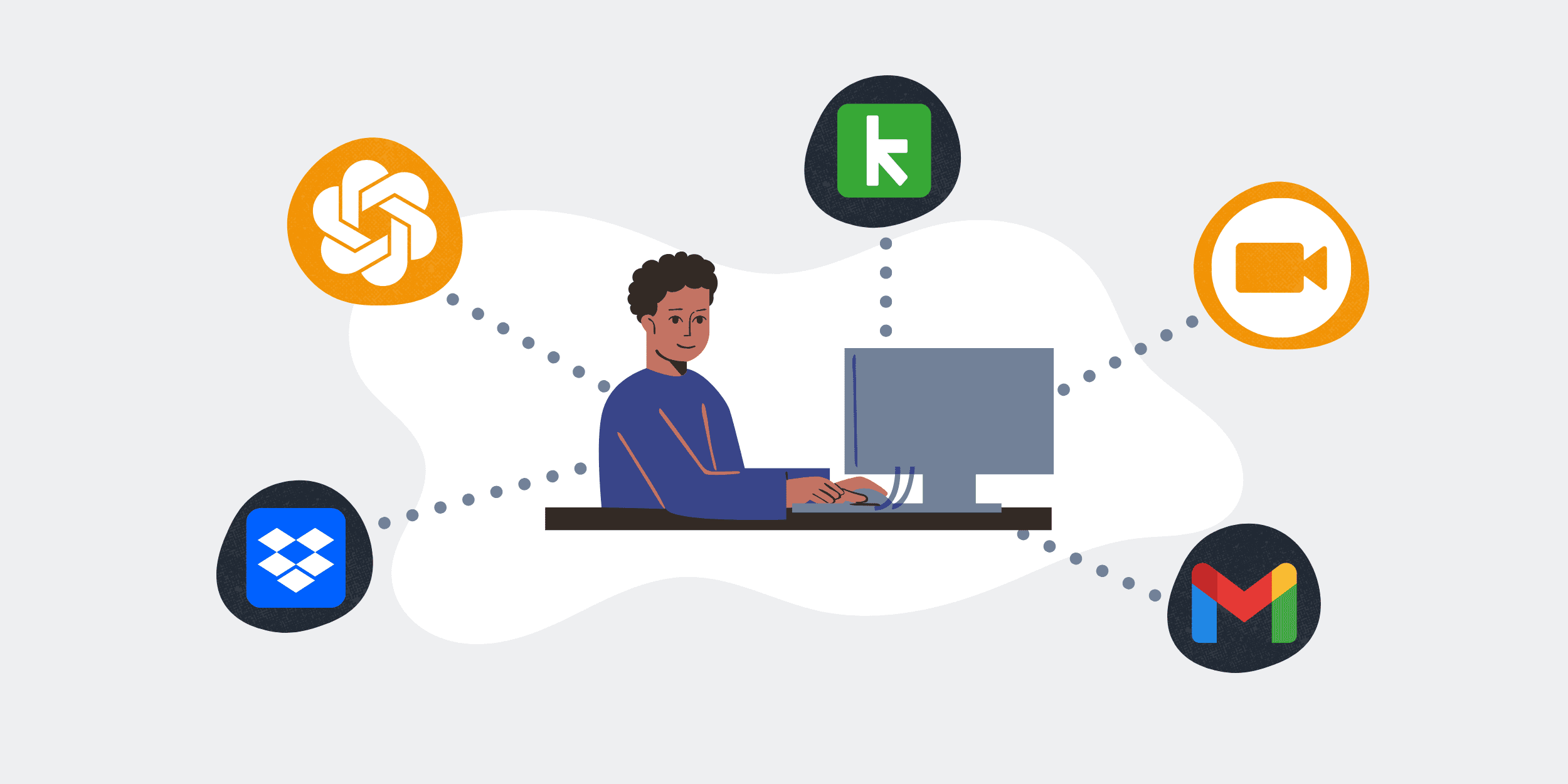
At 4Spot Consulting, we’ve seen firsthand how a well-executed integration strategy can transform HR operations. By utilizing powerful low-code automation platforms like Make.com, we help businesses build a cohesive ‘OpsMesh’ where data flows seamlessly between applicant tracking systems, HRIS platforms, payroll software, and performance management tools. This eliminates manual entry, drastically reduces errors, and frees up HR teams to focus on what truly matters: people.
Imagine an HR process where candidate data automatically populates onboarding documents, new hire information seamlessly transfers to payroll, and performance reviews are linked directly to compensation adjustments – all without human intervention. This isn’t a futuristic ideal; it’s a tangible reality that businesses are achieving today, leading to significant cost savings, improved employee satisfaction, and a much more scalable HR function.
The invisible drain of disconnected HR systems is a real threat to your business’s health and growth. By acknowledging its presence and taking decisive action to integrate and automate, you can transform your HR function from a cost center burdened by inefficiency into a strategic asset that drives talent acquisition, retention, and overall organizational success.
If you would like to read more, we recommend this article: The Power of a Unified Data Strategy: Why Your Business Needs a Single Source of Truth