Beyond Spreadsheets: Unlocking Efficiency by Eliminating Manual Data Entry in B2B Operations
In the bustling world of B2B operations, the quest for efficiency often feels like an uphill battle against the tide of manual tasks. Among these, manual data entry stands as a silent, insidious saboteur, draining valuable resources, introducing errors, and stifling growth. While it might seem like a minor administrative chore, its cumulative impact on operational costs, employee morale, and overall scalability is profound. At 4Spot Consulting, we’ve witnessed firsthand how businesses, often unknowingly, sacrifice significant chunks of their day to repetitive data input – time that could be better spent on strategic initiatives, client engagement, or innovation.
Consider the typical B2B workflow: a new lead comes in, details are manually entered into a CRM. A proposal is generated, requiring data from several sources to be copied and pasted. An invoice is prepared, pulling information from sales orders and client records. Each touchpoint represents an opportunity for human error, a dip in processing speed, and a direct drain on high-value employees who are relegated to low-value work. This isn’t just about reducing keystrokes; it’s about reclaiming the intellectual capital of your team and ensuring the integrity of your foundational business data.
The Hidden Costs of Manual Data Entry
The financial implications of manual data entry extend far beyond the hourly wage of the person performing the task. Think about the cost of errors: incorrect client information leading to botched deliveries, miscalculated invoices causing revenue leakage, or inconsistent data across systems making strategic decision-making unreliable. Each mistake requires corrective action, further consuming time and resources, and potentially damaging client relationships. We’ve seen scenarios where the cost of rectifying a single data entry error can exceed the original cost of the entry itself tenfold.
Beyond the financial, there’s a significant opportunity cost. When your sales team spends hours updating CRM records instead of prospecting, or your HR department manually sifts through resumes instead of engaging top talent, your business is losing out on potential revenue and competitive advantage. The mental burden of repetitive tasks also leads to employee burnout and decreased job satisfaction, impacting retention and attracting new talent. Businesses operating at $5M+ ARR cannot afford to have their strategic players bogged down by tasks a machine can do faster and more accurately.
Automating the Mundane: A Strategic Imperative
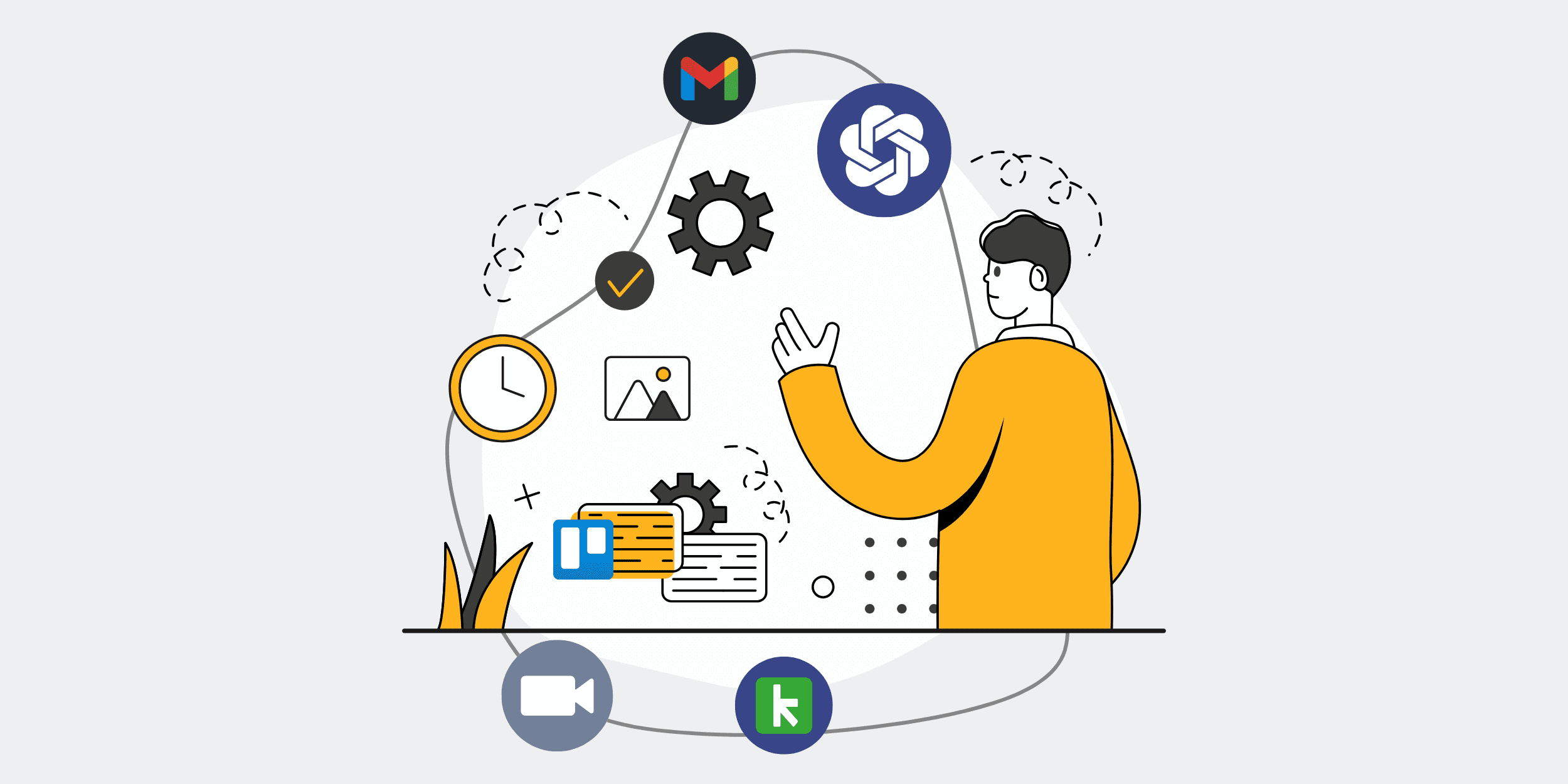
The solution isn’t to work harder, but smarter. This is where strategic automation and AI integration become not just an advantage, but a necessity. Leveraging platforms like Make.com, we specialize in building intelligent workflows that eliminate the need for manual data entry across diverse business functions. Imagine a system where a new lead from your website automatically populates your CRM (Keap or HighLevel), triggers an email sequence, and even initiates a personalized proposal generation process – all without a single keystroke from your team.
Our OpsMesh framework is designed precisely to identify these bottlenecks. Through an OpsMap strategic audit, we meticulously uncover where manual data entry is creating inefficiencies and costing your business. We then design and implement robust, AI-powered systems (OpsBuild) that seamlessly connect your disparate SaaS applications – from CRM and HR platforms to document management and communication tools. This creates a “single source of truth,” ensuring data consistency and accuracy across your entire operational ecosystem, minimizing human error and maximizing data utility.
Realizing Tangible ROI Through Intelligent Systems
Our approach is always rooted in delivering measurable ROI. We focus on automations that directly impact your bottom line: reducing operational costs, accelerating sales cycles, improving customer satisfaction, and freeing up high-value employees to focus on core competencies. For example, we’ve helped HR tech clients save over 150 hours per month by automating their resume intake and parsing processes using Make.com and AI enrichment, syncing directly into their Keap CRM. This isn’t just a nice-to-have; it’s a critical differentiator in today’s competitive landscape.
The elimination of manual data entry transforms more than just workflows; it transforms business culture. It shifts the focus from reactive problem-solving to proactive innovation, empowering teams with accurate, real-time data for better decision-making. By entrusting repetitive tasks to intelligent systems, businesses can scale effortlessly, respond to market changes with agility, and foster an environment where human ingenuity truly shines.
Your Path to a Data-Driven, Error-Free Future
The journey to a fully automated, error-reduced operational environment begins with understanding your current state. Our strategic-first approach means we don’t just build; we plan. We assess your unique needs, identify the highest-impact automation opportunities, and craft a tailored solution that integrates seamlessly with your existing technology stack. We are experts in connecting dozens of SaaS systems, ensuring that every piece of your digital puzzle works in harmony, eliminating the need for tedious, error-prone manual intervention.
Stopping the hemorrhaging of time and resources due to manual data entry is not just about adopting new tools; it’s about embracing a new paradigm of operational excellence. It’s about securing your business against human error, leveraging AI for maximum impact, and ultimately, saving your team 25% of their day to focus on what truly drives growth and innovation. The future of B2B operations is automated, intelligent, and free from the shackles of manual data entry.
If you would like to read more, we recommend this article: The Definitive Guide to B2B Business Automation