Executive HR Dashboards: What Every CHRO Needs to See
For the modern Chief Human Resources Officer, the landscape of talent management, employee engagement, and strategic workforce planning has never been more complex—or more critical. Yet, many CHROs still find themselves sifting through static reports, disparate spreadsheets, and disconnected data points, struggling to piece together a coherent, real-time view of their organization’s human capital. This isn’t just inefficient; it’s a strategic blind spot that can cripple agile decision-making and impede an organization’s ability to adapt and grow.
At 4Spot Consulting, we’ve witnessed firsthand the transformation that occurs when HR leaders move beyond reactive reporting to proactive, intelligent dashboards. These aren’t just collections of numbers; they are dynamic canvases that paint a living picture of your workforce, illuminating trends, predicting challenges, and validating the strategic impact of HR initiatives. For a CHRO, such a dashboard isn’t a luxury; it’s an indispensable tool for steering the organization towards its future.
Beyond Vanity Metrics: The Strategic Imperative of a CHRO Dashboard
Too often, HR dashboards become repositories for “vanity metrics”—numbers that look good on paper but offer little actionable insight. Headcount, simple turnover rates, and average time-to-hire, while foundational, don’t tell the full story. A truly strategic HR dashboard for a CHRO must cut through the noise, presenting a curated view of key performance indicators that directly link to business outcomes. It’s about answering questions like: How is our talent strategy impacting revenue per employee? Where are our critical skill gaps emerging, and what’s the financial risk? Are our diversity and inclusion efforts truly moving the needle, and what’s the ROI on our learning and development programs?
The power lies in the ability to correlate HR data with financial performance, operational efficiency, and customer satisfaction. This holistic view elevates HR from a cost center to a strategic partner, armed with data-driven insights that inform C-suite decisions.
Key Pillars of a Powerful HR Dashboard
A robust executive HR dashboard should synthesize information across several critical dimensions, providing not just historical data but predictive analytics and forward-looking trends.
* **Talent Acquisition & Retention Insights:** Beyond basic metrics, this pillar should show the quality of hire, source effectiveness by performance, flight risk analysis, internal mobility rates, and the true cost of attrition for critical roles. It’s about understanding why people stay, why they leave, and who your next top performers are likely to be.
* **Workforce Productivity & Engagement:** Metrics here move beyond annual survey scores to include real-time sentiment analysis, productivity per team/department, resource allocation effectiveness, and the impact of wellness programs on absenteeism. It reveals where engagement is thriving or flagging, and how it correlates with performance.
* **Cost & ROI of HR Initiatives:** This is where HR demonstrates its financial acumen. Track the ROI of training programs, the efficiency of benefits administration, the cost-per-hire versus quality-of-hire, and the overall impact of HR technology investments. Connect these costs directly to business value.
* **Compliance & Risk Management:** Monitor critical compliance areas such as training completion rates, regulatory adherence, grievance trends, and safety incident rates. Proactive identification of potential risks allows for timely intervention, protecting both employees and the organization.
The Challenge: Data Silos and Manual Aggregation
The aspiration for such a comprehensive dashboard is universal among CHROs, but the reality often falls short. The primary culprits are fragmented data sources, legacy HR systems that don’t communicate, and an over-reliance on manual data extraction and report generation. This not only consumes valuable HR team time but also introduces human error, leading to outdated or inaccurate insights. The result? Decisions are made on intuition rather than irrefutable data, and valuable strategic opportunities are missed.
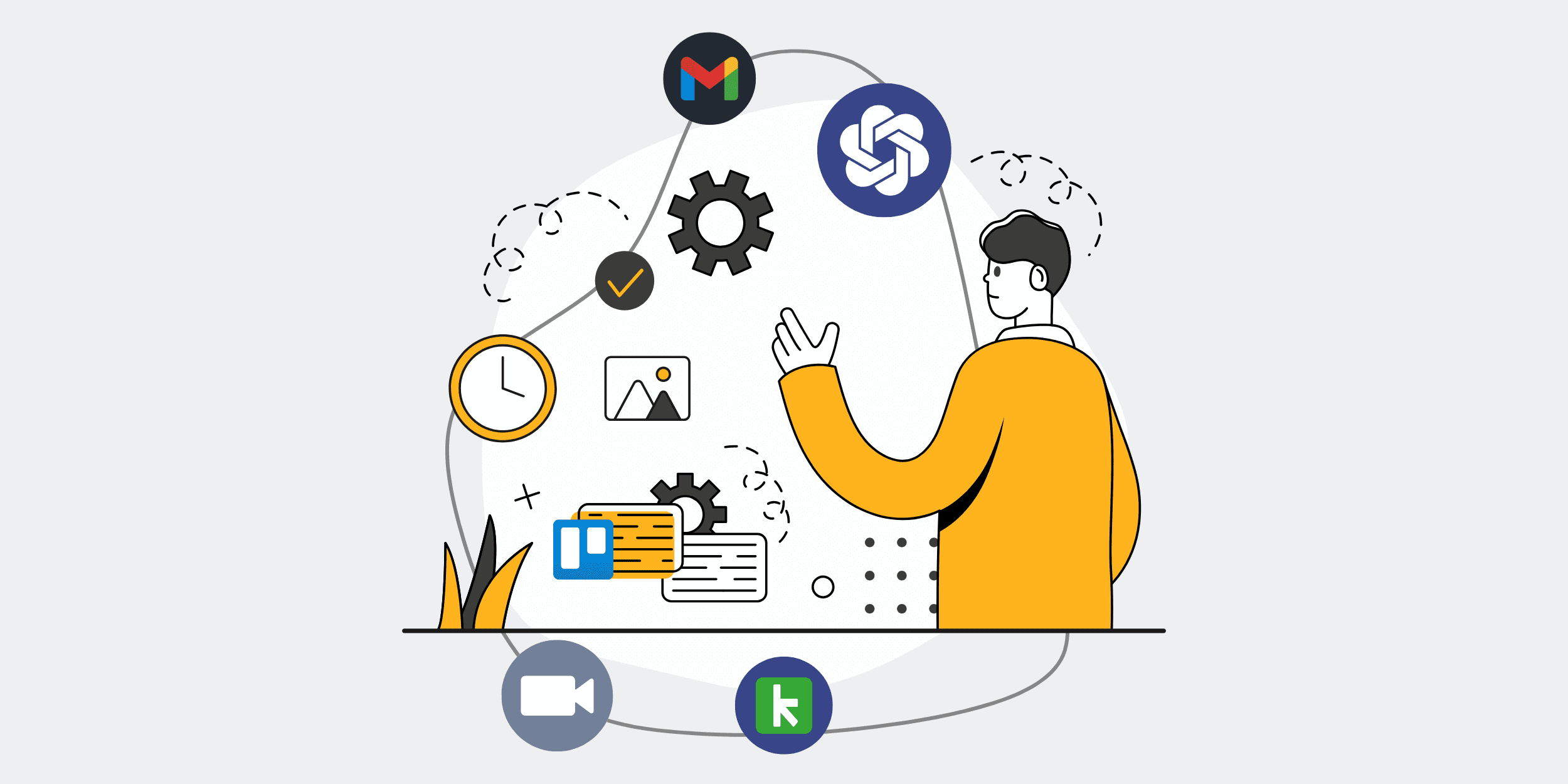
This is precisely where automation becomes the game-changer. Imagine a world where your Applicant Tracking System, HRIS, Payroll, Performance Management, and even employee sentiment tools are all seamlessly integrated, feeding real-time data into a single, unified dashboard.
Automating Your Way to Insight: The 4Spot Consulting Approach
At 4Spot Consulting, we specialize in helping organizations like yours achieve this vision. Our OpsMesh™ framework and low-code automation expertise (leveraging tools like Make.com) bridge the gaps between your disparate HR technologies. We architect systems that automatically extract, transform, and load data, ensuring accuracy and timeliness. This not only frees your HR team from monotonous data entry but also empowers your CHRO with a dashboard that is always current, always insightful.
By automating the data governance and reporting processes, we help CHROs move from reactive data collection to proactive strategic analysis. This isn’t just about saving time; it’s about shifting the focus of your HR department from administrative tasks to strategic impact, allowing them to provide the insights your C-suite needs to make informed decisions. This allows your team to get their “Sunday nights back” by automating repetitive, data-heavy tasks.
Real-World Impact: From Data to Decisive Action
The real value of an executive HR dashboard becomes evident when it translates data into decisive action. With a clear view of talent pipelines, a CHRO can proactively address skill shortages before they impact production. By identifying trends in employee engagement, targeted interventions can improve morale and reduce turnover. And by demonstrating the ROI of HR programs, the CHRO secures greater buy-in and investment for future initiatives.
Ultimately, an executive HR dashboard, powered by robust automation, transforms the CHRO’s role. It shifts from managing people to strategically leveraging human capital as the organization’s greatest asset. It provides the clarity, foresight, and factual basis needed to lead HR with authority, vision, and measurable impact.
If you would like to read more, we recommend this article: Strategic HR Reporting: Get Your Sunday Nights Back by Automating Data Governance