Unlocking Human Potential: The Strategic Imperative of AI in HR Operations
In today’s fast-paced business landscape, the promise of artificial intelligence often evokes images of futuristic robots or complex algorithms beyond the grasp of most organizations. Yet, for HR leaders and operations executives, AI is rapidly moving from a theoretical concept to a strategic imperative. It’s no longer just about optimizing; it’s about fundamentally transforming how businesses acquire, manage, and retain their most valuable asset: human talent. The challenge isn’t whether to adopt AI, but how to do so practically, ethically, and with a clear return on investment.
For too long, HR departments have been seen as cost centers, bogged down by administrative overhead, manual data entry, and reactive problem-solving. Recruitment teams, in particular, spend countless hours sifting through resumes, scheduling interviews, and managing compliance — tasks that, while necessary, detract significantly from the strategic work of finding and nurturing top talent. This isn’t just inefficient; it’s a barrier to growth, stifling innovation and draining the valuable time of high-value employees.
The Hidden Costs of Manual HR Processes
Consider the average recruiting cycle. From initial job posting to final offer, the process is often a labyrinth of disparate systems, email chains, and manual updates. Each step is prone to human error, delays, and a significant drain on resources. The cumulative effect includes:
- **Increased Time-to-Hire:** Prolonged cycles mean lost productivity and potential loss of top candidates to competitors.
- **Higher Operational Costs:** Staff time dedicated to repetitive tasks rather than strategic initiatives.
- **Inconsistent Candidate Experience:** Manual processes can lead to overlooked applications, slow communication, and a disjointed experience that damages employer brand.
- **Data Silos and Inaccurate Reporting:** Critical insights on recruitment effectiveness and talent trends remain hidden or fragmented, hindering informed decision-making.
These aren’t abstract problems; they are tangible impediments to a company’s ability to scale, innovate, and achieve its revenue goals. The answer lies not in working harder, but in working smarter – by strategically integrating AI and automation.
Beyond Automation: AI as a Strategic Partner in HR
At 4Spot Consulting, we view AI not just as a tool for automation, but as a strategic partner that amplifies human capabilities. Our approach begins with identifying the true bottlenecks in your HR and recruiting operations, then engineering intelligent systems that eliminate low-value work, reduce human error, and free up your team to focus on what only humans can do: build relationships, foster culture, and drive strategic talent initiatives.
Take, for instance, the cumbersome process of resume screening and parsing. An HR tech client we partnered with was drowning in manual resume intake, spending over 150 hours per month simply reviewing and categorizing applications. By implementing an AI-powered automation solution using Make.com, we automated their resume intake and parsing, enriching data, and syncing it directly to their Keap CRM. The result? A significant reduction in manual hours, faster candidate processing, and a more robust database for future talent needs. As their team put it, “We went from drowning in manual work to having a system that just works.”
Practical Applications of AI in HR and Recruiting
The beauty of modern AI and automation is its accessibility and versatility. For HR, this translates into tangible benefits across numerous functions:
- **Automated Candidate Sourcing and Screening:** AI can analyze vast pools of data to identify best-fit candidates, predict success, and even engage initial outreach, allowing recruiters to focus on qualified prospects.
- **Personalized Candidate Experience:** AI-driven chatbots can provide instant answers to FAQs, guide candidates through application processes, and offer personalized updates, improving engagement and reducing drop-off rates.
- **Enhanced Onboarding:** Streamline paperwork, assign training modules, and set up initial communications automatically, ensuring a smooth and efficient welcome for new hires.
- **Predictive Analytics for Talent Management:** AI can help identify flight risks, predict future skill gaps, and recommend personalized development paths, leading to higher retention and a more agile workforce.
- **Compliance and Risk Management:** Automate checks and balances to ensure adherence to regulations, reducing legal exposure and administrative burden.
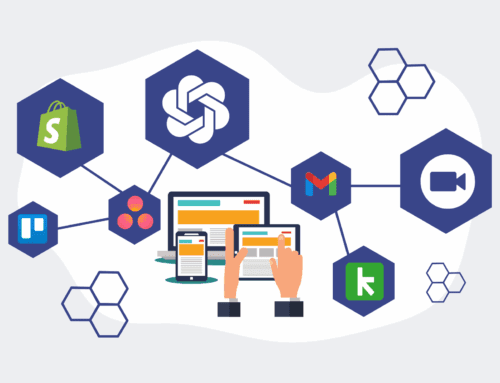
Implementing these solutions requires a strategic framework, not just a collection of tools. Our OpsMesh framework is designed to integrate these disparate systems into a cohesive, intelligent operational ecosystem. It’s about building a “single source of truth” for your talent data, ensuring consistency, accuracy, and accessibility across your organization.
Embracing the Future: A Strategic Imperative, Not a Technological Whim
The strategic imperative of AI in HR operations is clear: it’s the pathway to unlocking human potential, not replacing it. By offloading the repetitive and manual, businesses can empower their HR and recruiting teams to become strategic partners, driving growth, fostering innovation, and building a resilient workforce. This isn’t about being “tech-savvy” for its own sake; it’s about delivering measurable ROI, reducing operational costs, and achieving scalability that was once out of reach.
For high-growth B2B companies generating $5M+ ARR, the question isn’t whether you can afford to implement AI, but whether you can afford not to. The competitive edge belongs to those who embrace these intelligent systems to save their high-value employees 25% of their day, eliminating human error and focusing their energy on what truly matters: strategic advantage and human connection.
If you would like to read more, we recommend this article: The Definitive Guide to OpsMesh: Scaling Your Business with AI & Automation