
The Future of HR Automation: Beyond Basic Task Management
For decades, human resources departments have been the backbone of organizations, yet often burdened by an immense volume of administrative tasks. From onboarding paperwork to payroll processing, the HR function has historically been a nexus of manual, repetitive work. While basic automation tools have brought some relief, the real potential of HR automation, particularly when integrated with advanced AI, remains largely untapped by many businesses. At 4Spot Consulting, we see a future where HR isn’t just supported by technology, but fundamentally transformed, moving beyond simple task management to become a strategic, data-driven powerhouse.
The traditional view of HR automation often stops at automating basic workflows: approval chains for time-off requests, automated email notifications, or perhaps a simple Applicant Tracking System (ATS). While these are valuable steps, they merely scratch the surface of what’s possible. High-growth B2B companies, especially those with $5M+ ARR, are quickly realizing that continued reliance on siloed systems and manual data entry in HR creates bottlenecks that hinder scalability, introduce human error, and prevent high-value employees from focusing on strategic initiatives.
From Reactive Processes to Proactive Intelligence
Imagine an HR department that doesn’t just react to problems but anticipates them. This is the promise of advanced HR automation integrated with AI. We’re talking about systems that can: identify potential employee attrition risks before they become critical; personalize learning and development paths based on performance data and career aspirations; or even optimize talent acquisition by predicting which candidates are most likely to succeed in a given role and culture.
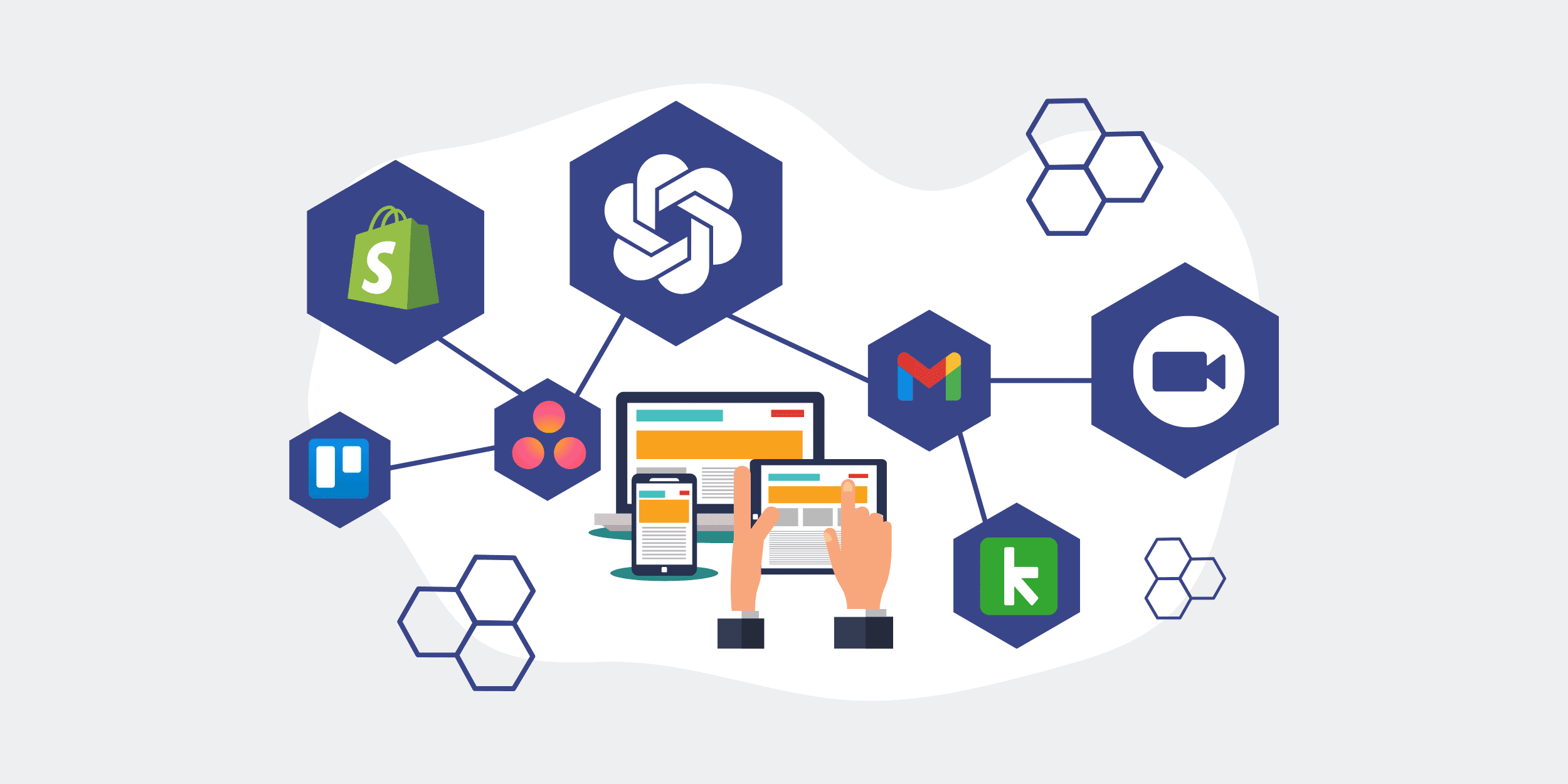
This shift requires a strategic approach, moving away from fragmented point solutions to an integrated ecosystem. Our OpsMesh™ framework at 4Spot Consulting is designed precisely for this. It’s about creating a unified operational fabric where HR, recruiting, and other business systems communicate seamlessly. For instance, when a candidate moves from application to offer, an automated process, augmented by AI, can trigger background checks, send offer letters (via tools like PandaDoc), provision new accounts, and schedule onboarding tasks, all while updating your CRM (like Keap or HighLevel) in real-time. This eliminates manual data entry across multiple platforms and ensures a consistent, error-free experience.
The AI Advantage in Talent Acquisition and Management
Recruitment, a core HR function, stands to gain immensely from intelligent automation. Beyond simply filtering keywords in resumes, AI can analyze vast datasets to identify patterns in successful hires, predict interview outcomes, and even help craft more inclusive job descriptions. Our experience with clients has shown that automating resume intake and parsing with Make.com and AI enrichment, then syncing this data directly into Keap CRM, can save upwards of 150 hours per month for an HR firm. This isn’t just about saving time; it’s about making better, faster hiring decisions grounded in data.
For existing employees, AI-powered automation can elevate the employee experience. Chatbots can handle routine HR queries, freeing up HR staff for more complex issues. Performance management can evolve from annual reviews to continuous feedback loops, with AI identifying trends and suggesting interventions. Even internal communications can be optimized, ensuring relevant information reaches the right employees at the right time, minimizing noise and maximizing engagement.
Building a “Single Source of Truth” for HR Data
One of the biggest challenges for HR today is data fragmentation. Employee information often resides in disparate systems – payroll, HRIS, performance management, benefits portals – leading to inconsistencies and a lack of holistic insights. Our focus at 4Spot Consulting is to help businesses establish a “single source of truth” for their critical data. This involves not just integrating systems but also implementing robust data backup and synchronization strategies, especially for CRMs like Keap and HighLevel, to ensure data integrity and accessibility.
When HR data is centralized and automated, it empowers strategic decision-making. Leaders can gain real-time insights into workforce analytics, identify skill gaps, forecast talent needs, and measure the impact of HR initiatives on overall business performance. This moves HR from a cost center to a strategic partner, actively contributing to revenue growth and operational efficiency.
The journey to advanced HR automation isn’t about replacing human judgment; it’s about augmenting it. It’s about liberating HR professionals from mundane tasks so they can focus on what truly matters: nurturing talent, fostering culture, and driving organizational success. At 4Spot Consulting, we don’t just build systems; we strategize with you, starting with an OpsMap™ diagnostic, to uncover inefficiencies and roadmap profitable automations that save you 25% of your day. The future of HR is intelligent, integrated, and incredibly powerful.
If you would like to read more, we recommend this article: The Strategic Imperative: Why Modern Businesses Need Integrated Automation and AI












