10 Ways AI-Powered Automation is Revolutionizing HR Data Management and Integrity
In the dynamic landscape of modern business, HR departments are the custodians of an organization’s most valuable asset: its people. Yet, all too often, HR professionals find themselves drowning in a sea of fragmented data, manual entry errors, and the constant battle to maintain data accuracy and integrity. This isn’t just an administrative burden; it’s a strategic impediment. Inaccurate or inconsistent HR data can lead to costly compliance issues, flawed workforce planning, compromised security, and a significant drain on valuable resources that should be focused on talent strategy and employee development. The traditional approach to HR data management is no longer sustainable in an era defined by rapid change and the urgent need for agility.
The good news is that a powerful transformation is underway, driven by the convergence of AI and automation. These technologies aren’t just about efficiency; they are about fundamentally redefining how HR data is collected, processed, secured, and leveraged. For HR and recruiting leaders, embracing AI-powered automation means moving beyond reactive data firefighting to proactive, strategic insights. It means eliminating human error, reducing operational costs, and significantly increasing scalability across all HR functions. At 4Spot Consulting, we’ve seen firsthand how these systems create a “single source of truth,” empowering organizations to make data-driven decisions that impact the bottom line. This article explores ten critical ways AI-powered automation is not just improving, but revolutionizing HR data management and integrity, offering practical pathways for your organization to thrive.
1. Automated Data Collection and Onboarding Workflows
The journey of an employee often begins with a mountain of paperwork and data entry, a process notoriously prone to errors and delays. AI-powered automation fundamentally transforms this experience by orchestrating intelligent, dynamic onboarding workflows. Instead of manual form filling and redundant data entry across disparate systems, new hires interact with smart digital forms that pre-populate information from their initial application. AI can then validate crucial data points in real-time—checking addresses against postal databases, verifying professional licenses, or confirming educational credentials through integrated APIs. This automation extends beyond just data capture; it triggers a cascade of subsequent actions, such as automatically setting up email accounts, granting system access based on role, initiating background checks, and even scheduling introductory meetings. For HR professionals, this means a significant reduction in administrative burden, allowing them to focus on meaningful engagement with new team members. It also ensures that all necessary data is collected accurately and consistently from day one, laying a solid foundation for robust data integrity throughout the employee lifecycle. Practical value here is immense: faster time-to-productivity for new hires, a superior candidate experience, and a dramatic decrease in the manual effort typically associated with onboarding.
2. Enhanced Data Accuracy and Real-time Validation
Maintaining high data accuracy is paramount in HR, impacting everything from payroll to compliance. AI and automation bring unprecedented levels of precision to this challenge. Automated systems can be configured to perform continuous data validation, flagging inconsistencies or anomalies as they occur, rather than discovering them during a quarterly audit. For example, if an employee’s job title is updated in one system, automation ensures that change propagates correctly across the HRIS, payroll, and benefits platforms, preventing discrepancies. AI algorithms can go a step further, learning from historical data to identify potential data entry errors or illogical inputs. Imagine a system that recognizes if an entered salary is significantly outside the typical range for a given role and location, prompting an immediate review. This proactive error detection minimizes the risk of human error, which is often the silent killer of data integrity. By establishing a “single source of truth,” automation ensures that all departments are working with the most current and accurate information, eliminating costly mistakes and disputes. This means HR leaders can trust their data implicitly, knowing it’s clean, consistent, and validated in real-time, forming the bedrock for strategic decision-making.
3. Streamlined Candidate Relationship Management (CRM) Data Hygiene
For recruiting teams, a robust Candidate Relationship Management (CRM) system is invaluable, but its effectiveness hinges entirely on data hygiene. AI-powered automation is a game-changer for keeping recruiting CRMs clean, current, and actionable. Imagine a system that automatically updates candidate profiles based on their interactions, recent job applications, or even public professional profiles (with appropriate consent and privacy considerations). Automation can deduplicate records, merge redundant entries, and standardize data formats across the board. AI algorithms can identify stale or inactive candidate profiles, prompting automated outreach campaigns to re-engage them or securely archiving their data in compliance with retention policies. This not only prevents recruiters from wasting time on outdated leads but also ensures that the data used for talent analytics and pipeline building is accurate and reliable. For instance, if a candidate updates their contact information or skills on an external platform, automation can trigger a review or update within the internal CRM, ensuring recruiters always have the most current information at their fingertips. This level of data stewardship directly translates to more efficient recruiting, better candidate experiences, and a stronger talent pipeline built on a foundation of clean, validated data.
4. Predictive Analytics for Workforce Planning and Talent Forecasting
Beyond simply managing current data, AI-powered automation enables HR to shift from reactive reporting to proactive, predictive intelligence. By analyzing vast datasets—including historical performance, employee demographics, engagement scores, economic indicators, and industry trends—AI algorithms can forecast future workforce needs with remarkable accuracy. This means identifying potential skill gaps before they become critical, predicting turnover rates in specific departments, and even projecting the optimal number of hires needed for anticipated business growth. Automation then facilitates the data collection and integration necessary for these predictive models, pulling information seamlessly from HRIS, performance management systems, and external market data. For example, an AI model might flag a high correlation between employees in a particular role leaving within 18 months, prompting HR to implement targeted retention strategies or begin proactive sourcing for those positions. This transforms workforce planning from an educated guess into a strategic, data-driven initiative. HR and recruiting professionals can provide leadership with actionable insights, ensuring the organization has the right talent in place at the right time, minimizing costly disruptions and maximizing competitive advantage.
5. Real-time Compliance and Automated Governance
Navigating the ever-complex web of labor laws, privacy regulations (like GDPR and CCPA), and internal policies is a significant challenge for HR. AI-powered automation acts as a vigilant guardian, ensuring real-time compliance and robust data governance. Automated systems can monitor employee data for adherence to retention policies, triggering automated archiving or deletion processes when data reaches its prescribed lifecycle. They can also track and audit access to sensitive information, creating immutable logs that are invaluable during compliance audits. For instance, if a user attempts to access data they are not authorized for, the system can immediately flag the activity, trigger an alert, or even deny access. Automation also streamlines the process of responding to data subject access requests (DSARs), quickly compiling all relevant employee data across various systems in a compliant format. This significantly reduces the risk of legal penalties, fines, and reputational damage associated with data breaches or non-compliance. By embedding compliance into automated workflows, HR leaders can ensure their data practices are always up-to-date and legally sound, freeing them from the constant worry of regulatory oversight and allowing them to focus on strategic HR initiatives.
6. Secure Data Storage, Access Management, and Anomaly Detection
Data security is non-negotiable, especially when dealing with sensitive employee information. AI-powered automation fortifies HR data security by implementing advanced access controls and continuous threat detection. Automated systems ensure that only authorized personnel have access to specific types of data, with permissions dynamically adjusting based on roles, responsibilities, and even project assignments. When an employee changes roles or leaves the company, automation instantaneously revokes or updates their access rights across all integrated systems, eliminating the risk of lingering access to sensitive information. Beyond static permissions, AI algorithms actively monitor data access patterns and behaviors, looking for anomalies that could indicate a security threat. For example, if a user suddenly attempts to download an unusually large volume of data, or accesses systems outside of typical working hours, the AI can flag this behavior as suspicious, trigger an alert, and potentially temporarily suspend access until the activity is verified. This proactive, intelligent security layer significantly enhances data integrity and protects against internal and external threats, giving HR leaders peace of mind and demonstrating a strong commitment to employee data privacy.
7. Automated Employee Lifecycle Management and System Integration
The employee lifecycle is a complex journey, spanning onboarding, transfers, promotions, leave management, and offboarding. Each stage involves numerous data touchpoints across various HR, payroll, IT, and benefits systems. Manual management of these transitions often leads to data inconsistencies, delays, and errors. AI-powered automation provides seamless integration and orchestration across all these systems, creating a fluid and error-free employee experience while maintaining data integrity. When an employee is promoted, for instance, automation can update their job title, salary, reporting structure, and benefits eligibility across the HRIS, payroll, and performance management platforms simultaneously. When an employee takes leave, the system automates status changes, communicates with relevant teams, and ensures payroll adjustments are accurate. For offboarding, it triggers a comprehensive checklist of tasks, from account deactivation to final pay processing, ensuring no critical step is missed and all data is handled according to policy. This holistic approach ensures that every change, big or small, is accurately reflected across the entire organizational data ecosystem, eliminating manual reconciliation efforts and establishing a truly “single source of truth” for employee data.
8. Proactive Data Backup and Flexible Recovery Strategies
Even with the most robust systems, unforeseen data loss can occur due to human error, system failure, or malicious attack. This is where proactive data backup and flexible recovery, enhanced by automation, become absolutely critical for HR data integrity. Automated backup systems ensure that all critical HR data – from employee records and payroll information to performance reviews and compliance documents – is regularly and securely backed up to redundant, off-site locations. This isn’t just about daily snapshots; it’s about strategic, versioned backups that allow for granular recovery. For example, if an important file or a specific set of employee data is accidentally deleted or corrupted, automation facilitates its swift and precise recovery without impacting the entire system. AI can further optimize these processes by identifying the most critical data points for more frequent backups and by analyzing recovery patterns to refine strategies. For HR leaders, this translates to unparalleled data resilience. Knowing that a comprehensive backup and recovery plan is automated and tested provides peace of mind, minimizes downtime in the event of a data disaster, and ensures business continuity. It’s a non-negotiable safeguard for protecting the integrity of your talent pipeline and operational stability.
9. Creating a Single Source of Truth for HR Data
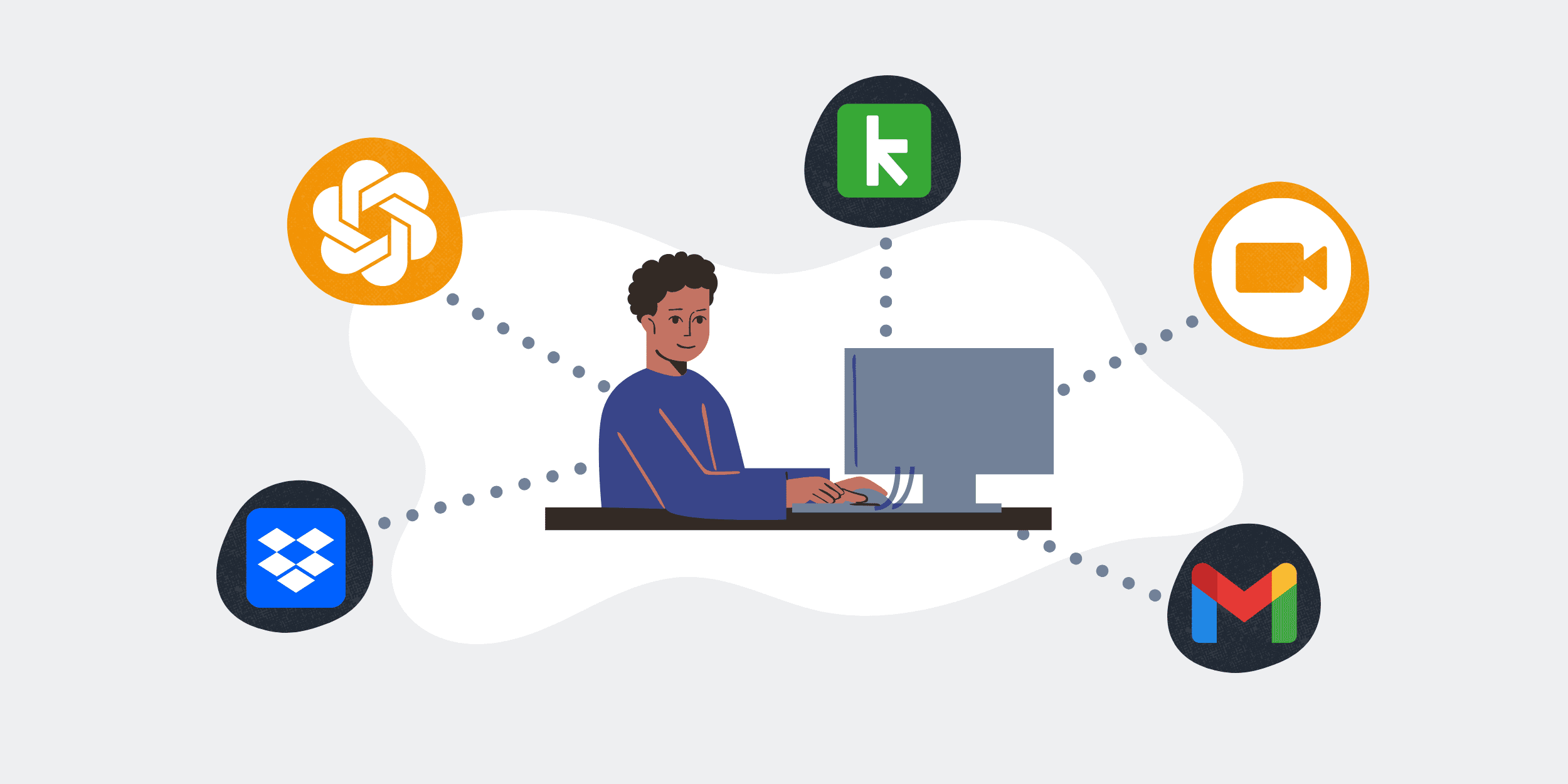
One of the biggest challenges for HR departments is the proliferation of data across disparate, often siloed systems – HRIS, payroll, recruiting platforms, learning management systems, benefits portals, and more. This fragmentation leads to inconsistencies, redundant data entry, and a lack of a unified view of the workforce. AI-powered automation is the key to overcoming this, by integrating these diverse systems into a cohesive ecosystem that establishes a true “single source of truth.” Through intelligent APIs and workflow orchestration tools like Make.com, automation acts as the central nervous system, ensuring that data entered or updated in one system is automatically synchronized across all relevant platforms. For example, when a new hire’s data is entered into the HRIS, automation pushes that data to the payroll system, benefits provider, and IT for account creation, all while validating consistency. AI can then monitor these integrations for any discrepancies, flagging potential issues before they become widespread problems. This eliminates the need for manual data reconciliation, reduces errors, and provides HR leaders with a comprehensive, real-time view of their entire workforce. With a single source of truth, decisions are based on accurate, consistent data, driving strategic HR initiatives with confidence and clarity.
10. Reducing Low-Value, Repetitive Data Tasks for High-Value Employees
Perhaps one of the most immediate and tangible benefits of AI-powered automation in HR data management is the dramatic reduction of low-value, repetitive tasks. HR professionals, often highly skilled and strategic thinkers, frequently find themselves bogged down in mundane data entry, cross-referencing spreadsheets, manually generating reports, and chasing down missing information. These activities consume a significant portion of their day, diverting attention from critical strategic initiatives like talent development, employee engagement, and organizational design. Automation offloads these tasks entirely. It means that instead of manually entering benefits enrollment data, HR can review automated reports. Instead of chasing managers for performance review submissions, the system sends intelligent reminders and aggregates data automatically. Instead of comparing disparate datasets for compliance, the system continuously monitors and flags issues. By eliminating this operational drag, high-value HR employees are freed to focus on what truly matters: leveraging their expertise to build a thriving workforce. This not only boosts productivity and morale within the HR team but also allows the department to evolve from a purely administrative function to a strategic partner that drives business outcomes. The return on investment here is not just in saved hours, but in the elevated strategic impact of the entire HR function.
The journey towards fully optimized HR data management and integrity is no longer a futuristic vision; it’s a present-day imperative. AI-powered automation offers a robust framework for organizations to move beyond the reactive management of fragmented data to a proactive, strategic approach where data is clean, accurate, secure, and actionable. From streamlining onboarding and enhancing data accuracy to powering predictive analytics and ensuring real-time compliance, these technologies are fundamentally reshaping the HR landscape. By embracing intelligent automation, HR and recruiting professionals can eliminate human error, drastically reduce operational costs, and build scalable systems that protect their most valuable asset – their people. The ultimate outcome is an HR department that operates with unparalleled efficiency, provides critical strategic insights, and truly empowers the organization to attract, retain, and develop top talent in an increasingly competitive world.
If you would like to read more, we recommend this article: Protecting Your Talent Pipeline: Automated CRM Backups & Flexible Recovery for HR & Recruiting