The Hidden Cost of Manual Onboarding: How Automation Boosts Retention and ROI
The first few days and weeks of a new employee’s journey are critical. They set the tone, define the experience, and often dictate whether that talent will stay and thrive or become another statistic in early attrition. Yet, for many businesses, onboarding remains a fragmented, manual, and often overlooked process – a series of administrative hurdles rather than a strategic integration into the company culture. This reliance on outdated, manual methods isn’t just inefficient; it carries a significant hidden cost that erodes your bottom line, dampens employee morale, and ultimately hinders your ability to scale.
At 4Spot Consulting, we frequently encounter business leaders struggling with operational bottlenecks. While the spotlight often shines on sales or marketing funnels, the foundational processes of HR and operations, particularly onboarding, are often the quiet culprits behind missed opportunities and unnecessary expenses. Automating these systems isn’t merely about digitalizing paperwork; it’s about transforming a high-risk phase into a high-reward strategic asset that directly impacts retention and profitability.
Beyond First Impressions: The Deeper Impact of Onboarding Inefficiencies
Consider the ripple effect of a poor onboarding experience. When new hires are left to navigate a maze of forms, unclear instructions, and delayed access to essential tools, their initial enthusiasm quickly wanes. This isn’t just an inconvenience; it’s a direct assault on productivity and engagement. High-value employees, those you’ve invested significant time and resources in recruiting, are immediately saddled with low-value, frustrating tasks. This can lead to:
- **Early Attrition:** New hires who feel unsupported or overwhelmed in their first 90 days are significantly more likely to leave, leading to a costly cycle of re-recruiting and retraining. The cost of replacing an employee can range from half to two times their annual salary, a direct hit to your operational budget.
- **Reduced Productivity:** Time spent chasing down signatures, gaining system access, or waiting for IT setup is time not spent contributing meaningfully to their role. This extended ramp-up period delays ROI on your new hire investment.
- **Increased Human Error:** Manual data entry, repetitive form-filling, and disconnected systems are breeding grounds for mistakes. Incorrect payroll information, compliance oversights, or missed training requirements can lead to legal issues, financial penalties, and a damaged employer brand.
- **Strained Internal Resources:** Existing employees, often managers or HR staff, divert significant time to manually onboard new hires. This pulls them away from their core responsibilities, creating bottlenecks and reducing overall organizational efficiency.
These aren’t abstract problems; they are concrete challenges that directly impact your company’s scalability and financial health. The true cost of manual onboarding is not just the administrative hours but the lost potential, eroded morale, and diminished retention.
The Automation Imperative: Transforming Onboarding from Burden to Benefit
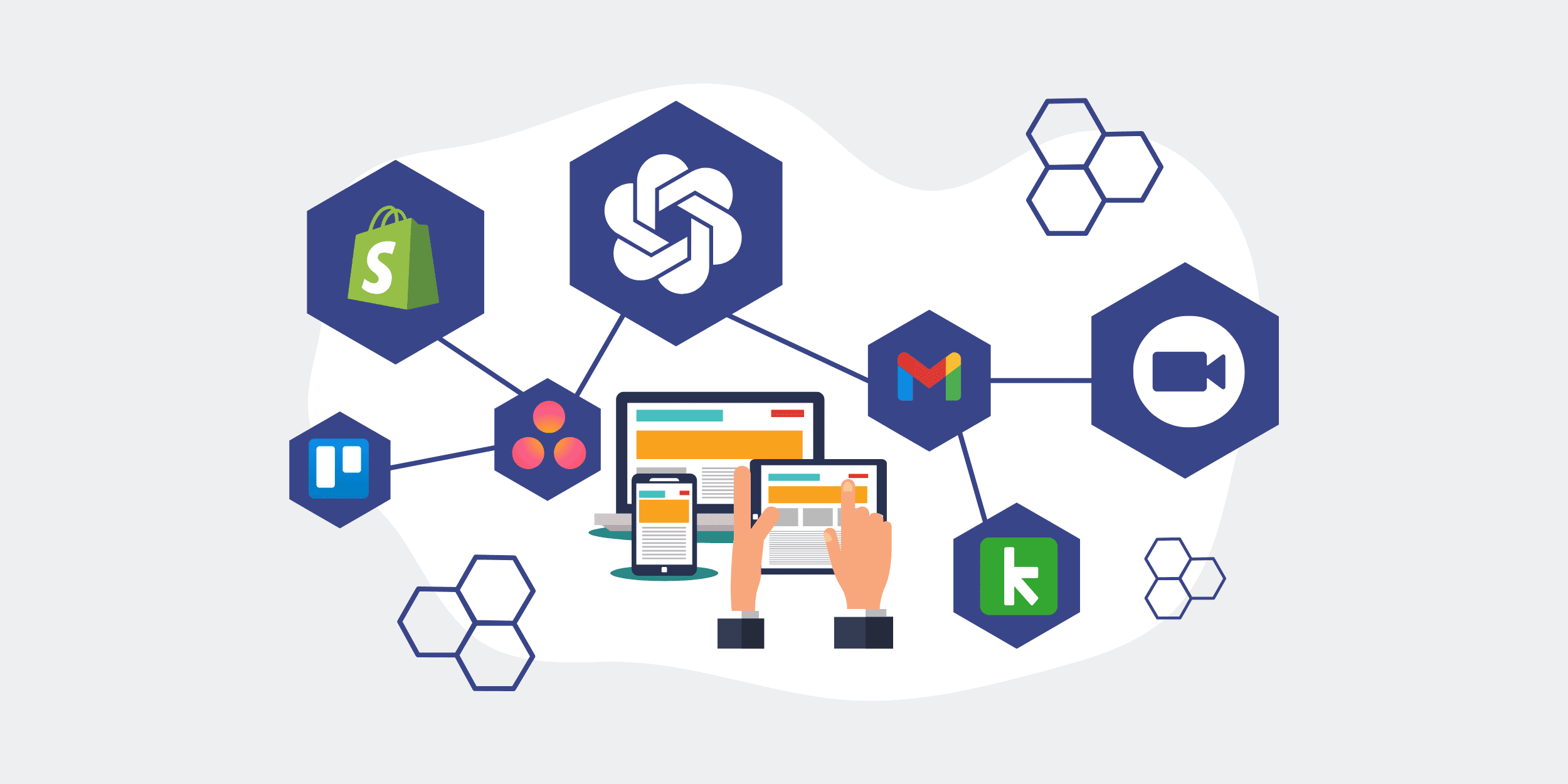
Strategic automation offers a powerful antidote to these challenges. By leveraging platforms like Make.com, Keap, and PandaDoc, we can architect an onboarding experience that is seamless, personalized, and robust. This isn’t about replacing human interaction; it’s about elevating it by eliminating the drudgery and allowing your team to focus on meaningful engagement.
Streamlining Paperwork and Compliance
Imagine a system where all necessary forms (I-9s, W-4s, NDAs) are sent, completed, and securely stored digitally, integrated with your HRIS and payroll system. With tools like PandaDoc, offer letters and contracts can be generated, sent for e-signature, and automatically routed through approval workflows. Compliance checks, background screenings, and even benefits enrollment can be initiated and tracked automatically, ensuring nothing falls through the cracks and reducing legal exposure.
Personalizing the New Hire Experience
Automation allows for a personalized onboarding journey. Pre-start communications—welcome emails, details about the first day, introductions to key team members—can be scheduled and delivered automatically. Training modules can be assigned based on role, and progress tracked. Calendar invitations for initial meetings, 1-on-1s with managers, and team lunches can be generated and sent without manual oversight. This proactive approach makes new hires feel valued and prepared, fostering early engagement.
Integrating Across Systems for a Single Source of Truth
The core of effective onboarding automation lies in integration. Connecting your applicant tracking system (ATS) with your HRIS, CRM, project management tools, and communication platforms (like Slack or Teams) creates a “single source of truth.” When a new hire is marked “hired” in the ATS, a series of automated actions can trigger: creating a profile in the HRIS, setting up email and network access, adding them to relevant Slack channels, provisioning software licenses, and even ordering welcome kits. This eliminates duplicate data entry, reduces errors, and ensures all departments are aligned.
The 4Spot Consulting Difference: Strategic Onboarding Automation
At 4Spot Consulting, our approach isn’t just about implementing technology; it’s about strategic transformation. We begin with our OpsMap™—a diagnostic audit designed to uncover your specific operational inefficiencies and identify the most impactful automation opportunities. For onboarding, this means deep-diving into your current processes, identifying bottlenecks, and mapping out a streamlined, automated workflow tailored to your unique needs.
Our OpsBuild™ phase then brings this vision to life. Leveraging our expertise with platforms like Make.com, we connect disparate systems, build custom automations, and configure intelligent workflows that reduce human error and free up your high-value employees. We focus on delivering measurable ROI, ensuring every automation contributes to your strategic goals, whether that’s boosting retention, reducing operational costs, or enhancing scalability. Much like the HR tech client we assisted, who saved over 150 hours per month by automating their resume intake and parsing process, we can apply this strategic rigor to your onboarding, turning a pain point into a competitive advantage.
Measurable Outcomes: Beyond Just Saving Time
The benefits of automated onboarding extend far beyond just saving administrative hours. Companies that implement robust onboarding automation often report:
- **Higher Retention Rates:** Engaged employees are retained employees. A smooth, welcoming onboarding experience significantly increases the likelihood of long-term commitment.
- **Faster Time-to-Productivity:** New hires get up to speed quicker when they have all the tools, information, and support they need from day one.
- **Reduced Operational Costs:** By eliminating manual tasks, reducing errors, and decreasing early attrition, businesses save significant money annually.
- **Enhanced Employer Brand:** A professional, efficient onboarding process reinforces your company’s positive image, making it more attractive to top talent.
Don’t let manual onboarding continue to be a drain on your resources and a risk to your talent retention. It’s time to leverage the power of automation to create an onboarding experience that not only welcomes new hires but strategically positions them—and your business—for success.
Ready to uncover automation opportunities that could save you 25% of your day? Book your OpsMap™ call today.
If you would like to read more, we recommend this article: Reducing Candidate Ghosting: The ROI of Automated Interview Scheduling