Beyond CRM: Forging a Unified Operations Platform with AI and Automation
For many businesses, the Customer Relationship Management (CRM) system stands as the central nervous system, orchestrating client interactions, sales pipelines, and marketing efforts. Yet, as companies scale and demands grow, the traditional CRM, while powerful, often becomes just one island in a sea of disconnected applications. Operations leaders frequently find themselves grappling with a fragmented digital landscape where critical data resides in silos, processes are manual, and the promise of a truly integrated business remains elusive. This isn’t just an inconvenience; it’s a drag on productivity, a source of costly errors, and a significant barrier to sustained growth.
The challenge isn’t with the CRM itself, but with the expectation that it can unilaterally manage every facet of an organization. From HR and recruiting to project management, legal processes, and intricate supply chains, modern businesses utilize a diverse array of specialized tools. When these systems don’t communicate effectively, employees waste countless hours on data entry, cross-referencing information, and manually bridging gaps. This low-value, repetitive work doesn’t just erode efficiency; it distracts high-value talent from strategic initiatives that truly drive the business forward. The vision of a single source of truth becomes a distant mirage, replaced by a complex web of manual workarounds and brittle integrations.
The Imperative for Integrated Operations: Beyond a Single Pane of Glass
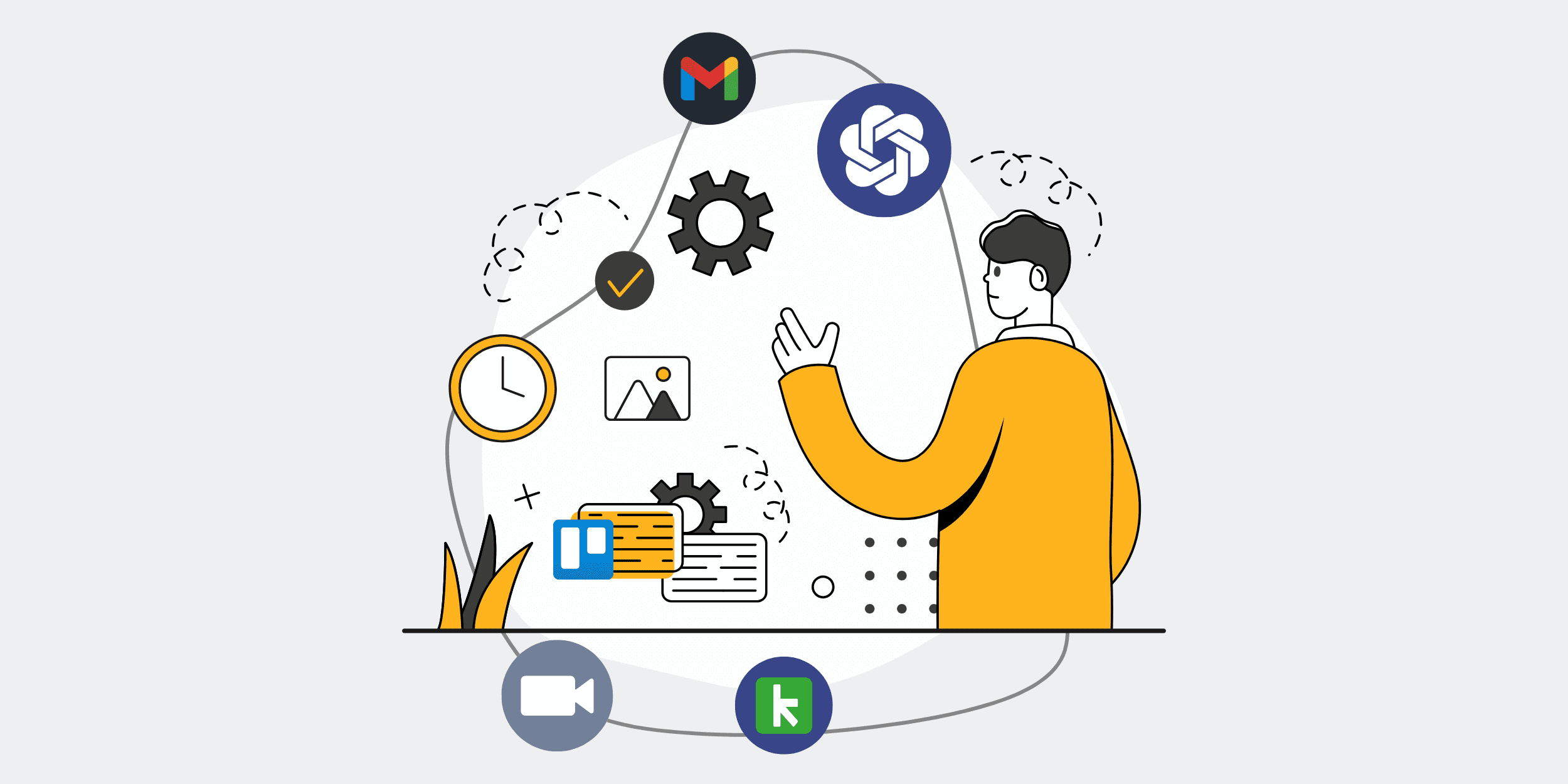
What if your CRM wasn’t the end-all, be-all, but rather a vital component of a larger, interconnected operational ecosystem? This is the core premise behind a unified operations platform – a strategic evolution that leverages AI and advanced automation to weave disparate systems into a cohesive, intelligent whole. It’s about moving beyond simply having a “single pane of glass” and creating a truly dynamic, responsive operational fabric where data flows freely, processes execute autonomously, and human intervention is reserved for high-level decision-making and creative problem-solving.
Implementing such a platform demands a strategic approach that transcends quick fixes. It requires an understanding of how each operational arm—from lead generation and sales to service delivery and accounting—interacts and impacts the others. For example, consider the hiring process: a prospective employee’s journey often starts with an applicant tracking system (ATS), moves to an HR information system (HRIS), involves document management for contracts, and then flows into payroll and benefits. Without intelligent automation, each hand-off is a potential point of failure, delay, or data inconsistency.
Building the OpsMesh: Where Automation Meets AI Intelligence
At 4Spot Consulting, we approach this challenge through our proprietary OpsMesh framework. This isn’t about replacing your existing, valuable systems; it’s about connecting them, empowering them with AI, and automating the workflows that bind them together. We start with an OpsMap™, a strategic audit designed to pinpoint inefficiencies, uncover data silos, and identify the most impactful opportunities for automation. This deep dive reveals where manual processes are costing you time and money, and where strategic integration can unlock exponential gains.
Consider the story of an HR tech client we partnered with. They were drowning under a deluge of resumes, manually parsing information and entering it into their Keap CRM. The process was time-consuming, prone to human error, and delayed their ability to engage with top talent. Through our OpsBuild™ phase, we implemented an automation solution using Make.com and AI enrichment. This system automatically ingested resumes, extracted key data points, and synced them directly to Keap, categorizing candidates and initiating communication workflows without human intervention. The result? They saved over 150 hours per month, enabling their HR team to focus on relationship building and strategic talent acquisition, not data entry. As they put it, “We went from drowning in manual work to having a system that just works.”
The ROI of a Unified Operations Platform
The benefits of moving to a unified, AI-powered operations platform extend far beyond simply “saving time.” It translates directly into tangible business outcomes: reducing operational costs by eliminating redundant tasks, minimizing human error, and accelerating critical business cycles. It fosters unparalleled scalability, allowing businesses to grow without proportionally increasing headcount for administrative tasks. Furthermore, it provides leadership with a clear, real-time view of operations, enabling data-driven decisions that propel the company forward.
Your CRM is essential, but it’s only one piece of a much larger puzzle. The future of efficient, scalable business operations lies in strategically connecting all your critical systems through intelligent automation and AI. This creates a resilient, agile, and ultimately more profitable enterprise. Ready to transform your fragmented operations into a seamless, unified platform that saves you 25% of your day? Book your OpsMap™ call today and let’s uncover your biggest automation opportunities.
If you would like to read more, we recommend this article: The OpsMesh Framework: Building a Resilient Automated Business