Beyond the Inbox: Unifying Your Business Data for Operational Agility with a Single Source of Truth
In today’s fast-paced business landscape, the promise of efficiency often clashes with the reality of fragmented information. Every department, from HR to sales, relies on specific tools—CRM, ATS, ERP, accounting software—each generating its own silo of valuable data. While individually powerful, these isolated systems create a digital labyrinth, making it nearly impossible for business leaders to gain a clear, unified understanding of their operations. This fragmentation isn’t just an inconvenience; it’s a critical bottleneck hindering strategic decision-making, inflating operational costs, and stifling the agility required for sustained growth.
At 4Spot Consulting, we frequently encounter organizations grappling with this exact challenge: a wealth of data scattered across disparate platforms, leading to duplicated efforts, manual errors, and a constant drain on high-value employees’ time. The “single source of truth” isn’t merely a buzzword; it’s a foundational principle for any business aiming to scale efficiently, eliminate human error, and truly leverage the power of automation and AI. Without it, even the most sophisticated automation tools can only patch over deeper systemic issues, rather than resolve them.
The Hidden Costs of Data Fragmentation
Consider the daily operations of a growing B2B company. A new client signs a contract, data is entered into the CRM. Later, that client information needs to be transferred to the billing system, then to a project management tool, and perhaps even to a separate communication platform. Each transfer is an opportunity for human error—a typo, an overlooked field, an outdated entry. This manual data entry isn’t just inefficient; it’s a significant source of operational risk. Errors can lead to incorrect invoices, missed deadlines, compliance issues, and ultimately, damaged client relationships.
Beyond the direct impact of errors, data silos create an invisible tax on productivity. Employees spend countless hours searching for information, cross-referencing disparate systems, or manually compiling reports that could be generated instantly from a unified dataset. This low-value, repetitive work diverts talent from strategic initiatives, slowing innovation and impeding the very growth objectives businesses strive to achieve. For HR and recruiting teams, this might manifest as delays in onboarding, missed candidate follow-ups, or inconsistent employee data across various systems, directly impacting talent acquisition and retention.
Building Your Single Source of Truth with OpsMesh™
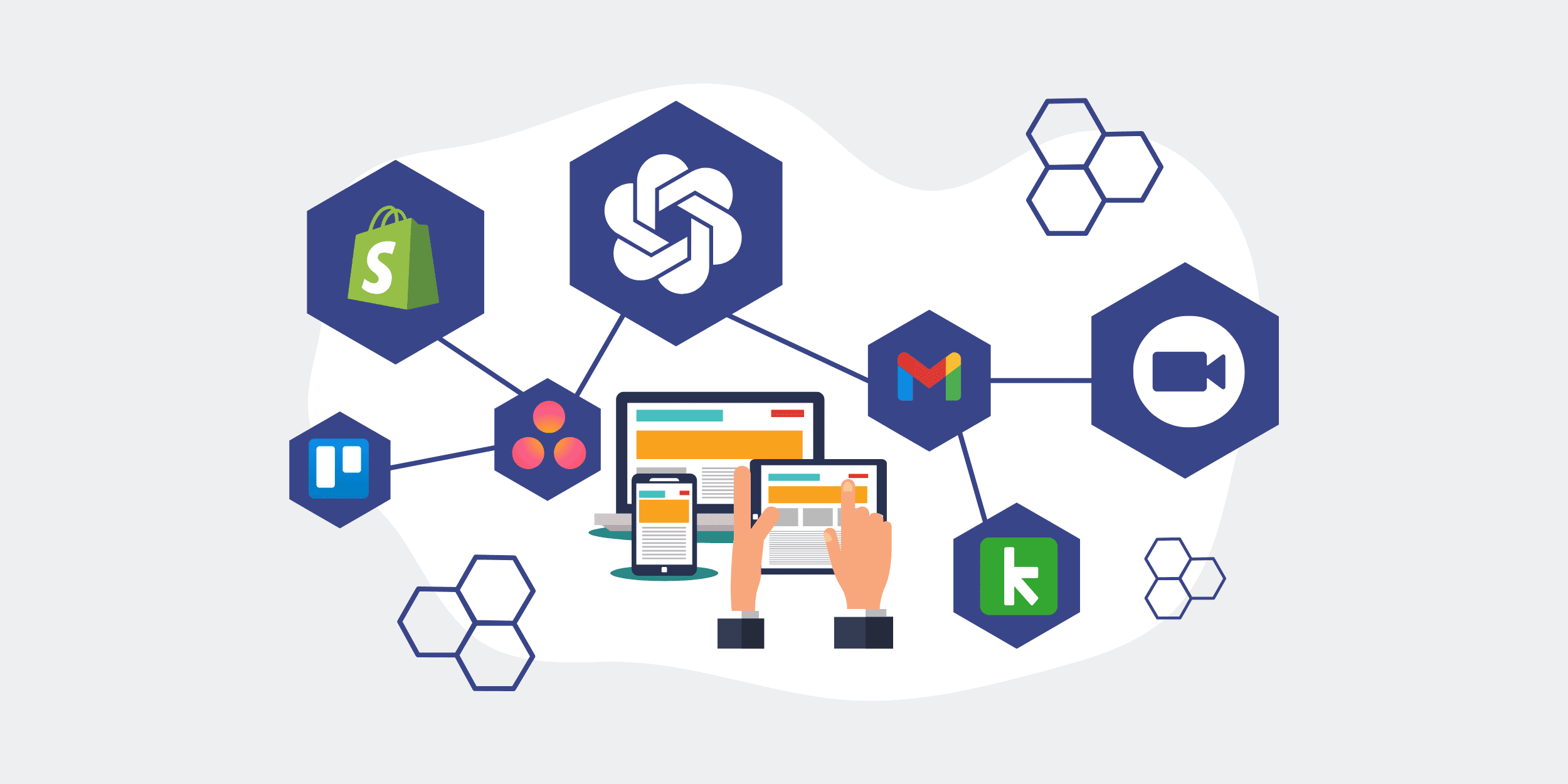
Our approach at 4Spot Consulting begins with a clear understanding: true operational agility comes from a strategically designed integration of your existing systems. We call this our OpsMesh™ framework. Instead of asking you to overhaul your entire tech stack, we focus on intelligently connecting your preferred tools—such as Keap, PandaDoc, Make.com, and Unipile—to ensure data flows seamlessly and accurately across your organization. This is not just about connecting apps; it’s about engineering a robust data ecosystem where every piece of information resides in its designated “home” and propagates reliably to all necessary systems.
The journey to a unified data environment typically starts with our OpsMap™ diagnostic. This strategic audit is designed to uncover precisely where inefficiencies lie, identify critical data silos, and roadmap the most impactful automation opportunities. We then move to OpsBuild™, where our experts implement these automations, leveraging low-code platforms like Make.com to create powerful, custom workflows that bridge the gaps between your systems. The goal is to establish a central data repository, often within a CRM like Keap, which then acts as the authoritative source, feeding other applications with validated, real-time information.
Imagine the impact: When a new hire is added to your HR system, their data automatically populates the payroll system, sets up their email and software accounts, and even triggers a personalized onboarding sequence. This eliminates manual data entry across multiple platforms, drastically reduces errors, and frees your HR team to focus on strategic talent development rather than administrative tasks.
Real-World Impact: Unleashing Productivity and Reducing Errors
The benefits of establishing a single source of truth are tangible and transformative. We recently partnered with an HR tech firm that was struggling with overwhelming manual processes for resume intake and parsing. Their team spent hundreds of hours each month manually reviewing, categorizing, and entering candidate data into their CRM. This was not only time-consuming but also prone to human error, leading to missed opportunities and a slower recruitment cycle.
Through our OpsBuild™ process, we implemented an automated system using Make.com and AI enrichment. Now, resumes are automatically extracted, parsed for key information, and seamlessly synced to their Keap CRM. This automation saved the client over 150 hours per month, a direct quote from their team being: “We went from drowning in manual work to having a system that just works.” This kind of efficiency gain is not an outlier; it’s the direct result of strategically unifying data and automating redundant processes, allowing high-value employees to focus on what they do best.
Building a robust, integrated data infrastructure empowers your business to operate with unprecedented agility and precision. It’s about more than just saving time; it’s about reducing the risk of costly errors, improving customer satisfaction through consistent information, and enabling data-driven decisions that propel your business forward. In an era where data is king, ensuring its integrity and accessibility across your organization is no longer a luxury—it’s a strategic imperative.
If you would like to read more, we recommend this article: Mastering Business Automation: Your Comprehensive Guide to Scalable Operations