Beyond the Spreadsheet: How Automated Data Management Drives Strategic Growth
In today’s fast-paced business environment, data is hailed as the new oil. Yet, for countless organizations, this invaluable resource remains locked away in disparate spreadsheets, legacy systems, and fragmented databases. The struggle to achieve a “single source of truth” is a common pain point, costing businesses not just time and money, but also missed opportunities for strategic growth. We frequently encounter business leaders who are grappling with operational inefficiencies directly stemming from poor data hygiene and manual data handling. The reality is, if your high-value employees are spending their days wrangling data instead of analyzing it, you’re not just inefficient – you’re actively hindering your company’s potential.
The manual management of critical business data, from sales leads in a CRM to employee records in HR, creates a cascade of problems. Human error becomes inevitable, leading to inconsistencies that can corrupt reporting, skew strategic decisions, and erode trust in your analytics. Furthermore, the sheer volume of low-value, repetitive tasks associated with data entry, reconciliation, and transfer consumes an exorbitant amount of time. This isn’t just a productivity drain; it’s a strategic bottleneck that prevents your talent from focusing on innovation, client engagement, and scaling your operations. The challenge isn’t merely about having data; it’s about making that data work for you, autonomously and accurately.
The Hidden Costs of Disconnected Data
Consider the cumulative impact across your organization. In HR and recruiting, a lack of unified data can lead to duplicate candidate records, lost applications, or even compliance risks. Sales and marketing teams struggle with incomplete customer profiles, leading to disjointed communication and a less effective customer journey. Operations lose visibility into key performance indicators because the data needed to generate those insights is trapped in silos, requiring painstaking manual compilation. Every department suffers, and the organization’s ability to respond swiftly to market changes or customer needs is compromised. We’ve seen firsthand how an HR firm, for example, could save over 150 hours per month by simply automating their resume intake and parsing, ensuring data integrity from the very first touchpoint.
The “spreadsheet mentality” often permeates organizations, leading to a patchwork of isolated files that become impossible to maintain or synchronize. This isn’t a sustainable model for growth-oriented B2B companies. When data isn’t organized and accessible through a single, reliable source, reporting becomes a retrospective exercise in data archaeology rather than a proactive tool for forecasting and strategic planning. The critical insights needed to drive smarter decisions are obscured by the noise of manual processes and data discrepancies, making it difficult to understand true ROI or identify emerging trends.
From Chaos to Clarity: The Power of Automated Data Flows
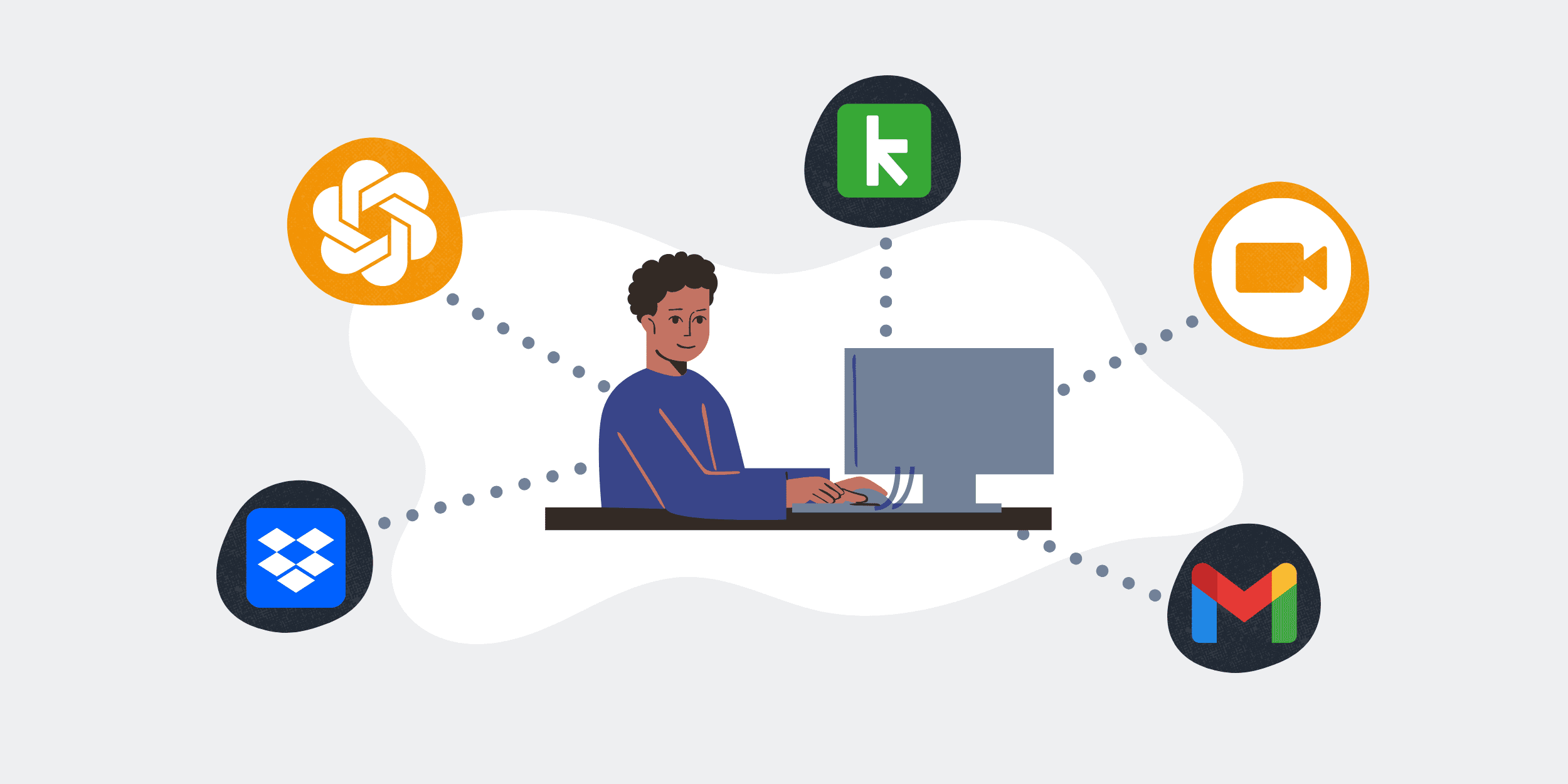
The solution isn’t to simply collect more data, but to automate its flow, organization, and accessibility. This is where our OpsMesh framework shines. We specialize in building robust, interconnected systems that transform fragmented data into a unified, actionable asset. By leveraging low-code automation platforms like Make.com, we connect your CRM (Keap, HighLevel), HR platforms, document management systems (PandaDoc), and other critical SaaS applications. This creates a seamless network where data flows freely and accurately between systems, eliminating manual touchpoints and significantly reducing the potential for human error.
Imagine a world where new client data automatically syncs across your CRM, accounting software, and project management tools. Or where a new hire’s information automatically populates across HR, payroll, and onboarding systems. This isn’t futuristic thinking; it’s the core of what we build. Our strategic-first approach, starting with an OpsMap diagnostic, uncovers these hidden inefficiencies and designs a tailored automation roadmap. We don’t just implement technology; we architect solutions that are directly tied to tangible business outcomes: reducing operational costs, increasing scalability, and freeing up your high-value employees to focus on what truly matters.
Achieving a Single Source of Truth with AI Integration
Moving beyond mere automation, integrating AI capabilities further refines data management. AI can be deployed for intelligent data extraction, classification, and enrichment, ensuring that the information flowing into your single source of truth is not only accurate but also comprehensive. For instance, AI can parse unstructured data from emails or documents, extract key details, and automatically update relevant fields in your CRM or HRIS. This level of intelligent automation transforms data from a static record into a dynamic, insightful resource that actively supports your business objectives.
The goal is to move from reactive data management to proactive insights. With automated, AI-powered data flows, you gain real-time visibility into your operations. This allows for faster decision-making, better resource allocation, and a deeper understanding of your customers and employees. Companies that embrace this integrated approach report significant improvements in efficiency, accuracy, and overall strategic agility. They are no longer bogged down by the mechanics of data, but empowered by its clarity and precision, driving a competitive edge in their respective industries.
Your Path to Smarter Data: A Strategic Imperative
The journey to a truly automated and unified data environment is not a one-time project but an ongoing strategic imperative. It’s about building an infrastructure that supports continuous growth, reduces operational friction, and maximizes the return on your data assets. Our OpsBuild service meticulously implements these systems, ensuring they are robust, scalable, and tailored to your unique business needs. And with OpsCare, we provide ongoing support and optimization, adapting your automation infrastructure as your business evolves. We believe that by eliminating the low-value work of data management, we can help you save 25% of your day, allowing you to reallocate those precious hours towards strategic initiatives that directly impact your bottom line.
The time spent wrestling with spreadsheets and disparate data systems is time not spent on innovation, customer acquisition, or team development. By embracing automated data management, you’re not just improving efficiency; you’re investing in a more resilient, scalable, and strategically agile future for your business. Let 4Spot Consulting help you transform your data chaos into a clear, unified, and powerful asset.
If you would like to read more, we recommend this article: Unlocking Operational Excellence: Your Guide to Strategic Automation