Decoding Operational Drag: How Manual Processes Sabotage HR & Recruiting Efficiency
In the relentless pursuit of growth, many B2B companies, especially those scaling rapidly, inadvertently harbor a silent saboteur: operational drag caused by inefficient manual processes. For HR and recruiting departments, this isn’t merely an inconvenience; it’s a critical impediment, draining resources, stifling agility, and ultimately impacting the bottom line. High-value employees, hired for their strategic acumen and leadership, often find themselves mired in repetitive, low-value administrative tasks, robbing them of precious time and the capacity to drive innovation.
The problem is often insidious, masked by the sheer volume of work. Companies might believe they’re “just busy” when, in reality, they’re hemorrhaging productivity through bottlenecks that could be easily eliminated. This isn’t about working harder; it’s about working smarter, and recognizing that the traditional, heavily manual approach to HR and recruiting is no longer sustainable in a competitive, fast-paced business landscape.
The Silent Drain on Productivity: Unmasking Hidden HR Bottlenecks
Consider the typical journey of a candidate or the onboarding of a new hire. From initial application screening and data entry across multiple systems to interview scheduling, offer letter generation, background checks, and benefits enrollment – each step often involves manual touchpoints. This isn’t just a time sink; it’s a hotbed for human error, inconsistencies, and a frustrating experience for candidates and new employees alike.
Recruitment teams might spend hours each week simply moving data from one platform to another, chasing down approvals, or manually updating candidate statuses. HR professionals grapple with disparate systems that don’t communicate, leading to duplicate data entry, compliance risks, and an inability to gain a single, accurate view of their workforce. This operational friction doesn’t just slow things down; it actively detracts from the strategic work that HR and recruiting should be doing, like talent development, workforce planning, and culture building.
Beyond the Spreadsheet: The True Cost of Tactical HR
The consequences extend far beyond simple lost time. A slow, disjointed candidate experience can lead top talent to abandon the process, choosing competitors who offer a more streamlined and professional interaction. For existing employees, inefficient HR processes can foster frustration, reduce engagement, and even contribute to attrition. The opportunity cost of having high-value employees bogged down in administrative minutiae is enormous. These are the individuals whose expertise should be focused on strategic initiatives that directly impact revenue and long-term organizational health, not on tasks that a well-designed automation system could handle in seconds.
Moreover, the inability to scale efficiently directly impacts growth. A company cannot sustainably expand its operations if its core people functions are reliant on manual, unscalable processes. Every new hire, every new project, every expansion simply adds more strain to an already overburdened system, creating a cycle of reactive problem-solving rather than proactive growth enablement.
The Strategic Imperative: Why Automation isn’t Just a ‘Nice-to-Have’
At 4Spot Consulting, we view automation not as a luxury but as a fundamental strategic imperative for high-growth B2B companies. Our core mission is to save businesses 25% of their day by eliminating human error, reducing operational costs, and increasing scalability through intelligent automation and AI integration. We understand that leadership isn’t just looking for tools; they’re looking for outcomes: faster hiring, reduced overhead, and the freedom to focus on what truly matters.
Building an OpsMesh™: A Framework for Integrated Efficiency
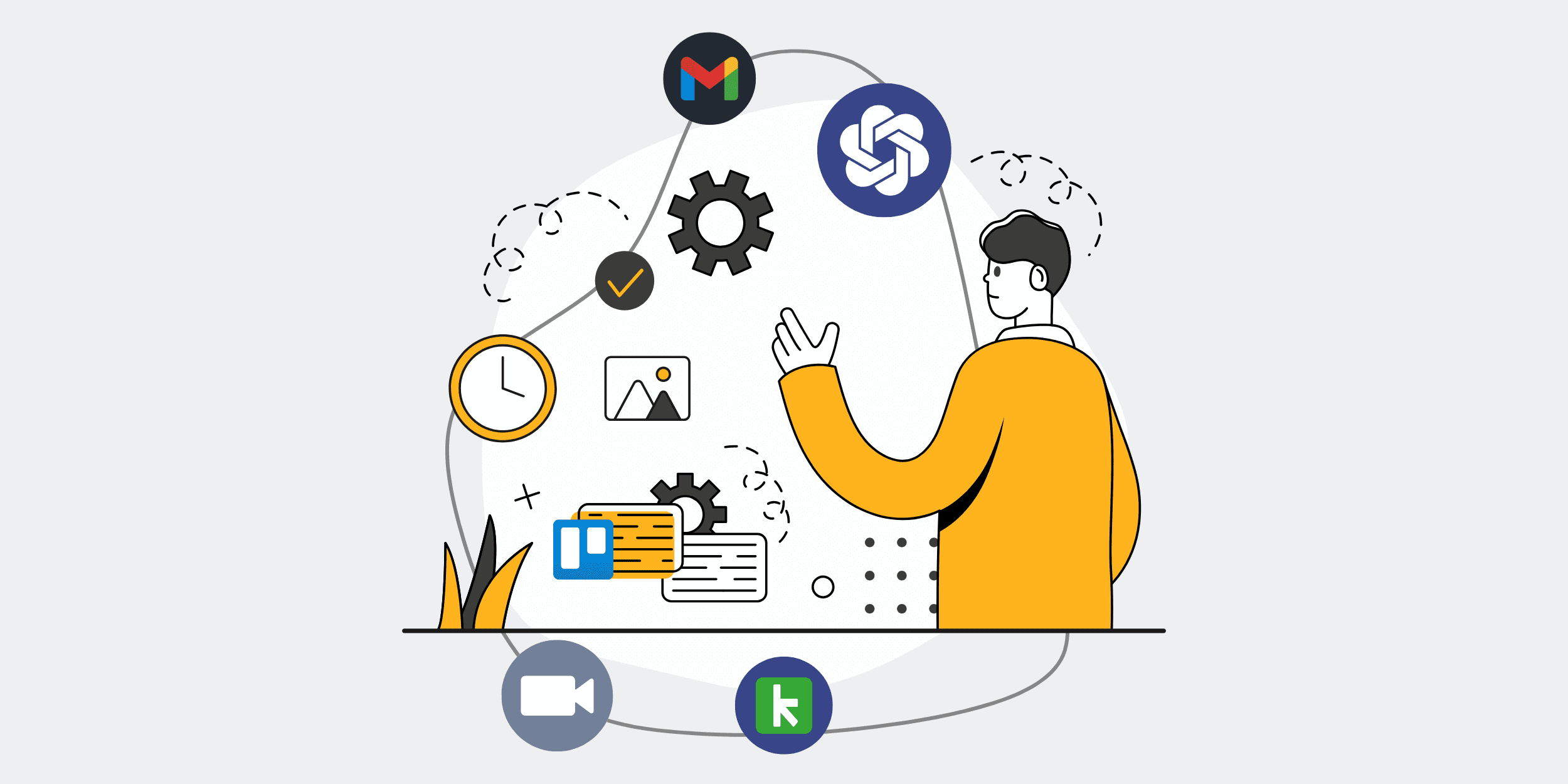
Our unique OpsMesh™ framework provides an overarching automation strategy that connects disparate systems and workflows into a cohesive, intelligent ecosystem. Rather than implementing isolated solutions, we build integrated systems using powerful low-code platforms like Make.com, enabling seamless data flow between HRIS, ATS, CRM (like Keap and HighLevel), document management systems, and more. This approach ensures that every piece of data serves its purpose across the entire operational landscape, creating a single source of truth and eradicating manual redundancies.
Our process begins with an OpsMap™—a strategic audit designed to uncover hidden inefficiencies, surface critical automation opportunities, and roadmap a clear path to profitable automations. Following this, our OpsBuild™ phase brings these solutions to life, implementing robust, tailored automation and AI systems that directly address your company’s unique pain points. We’ve seen firsthand how automating repetitive tasks, from resume parsing and initial candidate communication to offer letter generation and CRM updates, can free up hundreds of hours a month for HR and recruiting teams.
Real-World Impact: Turning Manual Overload into Scalable Success
We’ve helped numerous clients transform their operations, including an HR tech firm that saved over 150 hours monthly by automating their resume intake and parsing process, enriching data with AI, and syncing it seamlessly into their Keap CRM. This isn’t theoretical; it’s about tangible results that directly impact your team’s capacity and your company’s profitability. Our strategic-first approach ensures that every automation is tied to a clear ROI and contributes directly to your business outcomes, moving you beyond just ‘tech for tech’s sake.’
The goal is to empower your high-value employees to operate at their peak, focusing on relationship building, strategic planning, and critical decision-making, rather than being consumed by routine tasks. By meticulously designing and implementing automation and AI solutions, we not only eliminate operational drag but also lay the groundwork for sustainable, scalable growth, ensuring your business is poised for future expansion without the accompanying increase in manual overhead.
Ready to uncover automation opportunities that could save you 25% of your day and eliminate operational drag in your HR and recruiting functions? Book your OpsMap™ call today.
If you would like to read more, we recommend this article: Mastering HR & Recruiting Automation: A Strategic Blueprint for Growth