Streamline Operations: Keap and Project Management Tool Integrations
In today’s fast-paced business landscape, operational efficiency isn’t just a buzzword—it’s the bedrock of sustainable growth and competitive advantage. For many growing companies, the ambition to scale is often hampered by a common enemy: disjointed systems. Your CRM, like Keap, excels at managing customer relationships and sales pipelines, while your project management tools drive task execution and team collaboration. But when these critical platforms operate in silos, you inadvertently create bottlenecks, introduce manual errors, and erode valuable time.
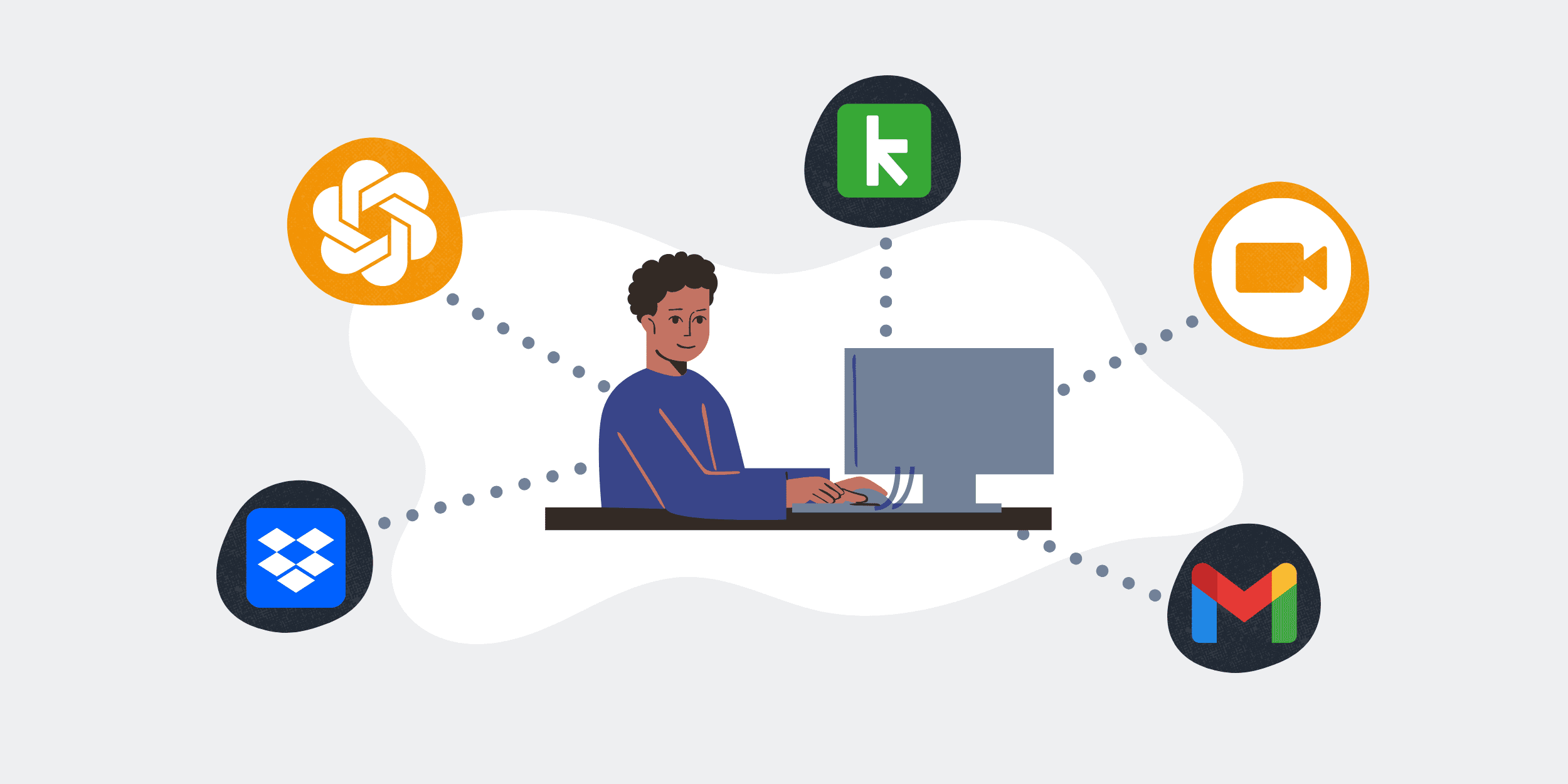
At 4Spot Consulting, we regularly encounter businesses striving to elevate their operations, only to find themselves ensnared by the very tools meant to simplify their work. The core issue isn’t the tools themselves, but the lack of intelligent connectivity between them. Integrating Keap with your chosen project management solution isn’t merely a technical exercise; it’s a strategic imperative that transforms how your business functions, from lead capture to project completion and beyond.
The Hidden Costs of Disconnected Systems
Consider the typical workflow for a new client. A lead converts in Keap, triggering a series of sales activities. Once the deal closes, the project details—scopes, deliverables, timelines, team assignments—must be manually transferred to your project management system. This hand-off is a high-risk point. Data can be miskeyed, crucial details can be overlooked, and delays can accumulate before the project even properly begins. Every minute spent on redundant data entry is a minute not spent on revenue-generating activities or strategic planning.
Beyond the immediate time sink, disconnected systems lead to a lack of a single source of truth. Sales might operate on one set of client information, while the project team relies on another, potentially outdated, version. This discrepancy can lead to miscommunications, scope creep, and ultimately, client dissatisfaction. The compounding effect of these inefficiencies can significantly impact profitability and team morale, as high-value employees are bogged down by low-value, repetitive administrative tasks.
Keap as Your Operational Hub
Keap is more than just a CRM; it’s a powerful marketing automation and sales platform designed to nurture relationships and close deals. When leveraged correctly, it can serve as the central nervous system for your client lifecycle. By integrating it with your project management tools, you extend Keap’s influence beyond the sales cycle, bringing project execution directly into its sphere of influence. Imagine a world where a “deal won” status in Keap automatically creates a new project in Asana, Monday.com, or ClickUp, pre-populating client data, assigning initial tasks, and notifying the relevant project team.
Automating the Client Journey from Sales to Service Delivery
The true power of Keap and project management integrations lies in automating the transitions. This isn’t just about passing data; it’s about orchestrating entire workflows. For instance, once a client is marked as “onboarded” in Keap, a series of automated actions can occur:
- A project template is spun up in your PM tool with all standard onboarding tasks.
- Relevant client contacts and agreed-upon services are synced.
- Internal team members are assigned and notified.
- Automated welcome emails or project updates are sent to the client, providing transparency.
This level of automation ensures consistency, reduces human error, and dramatically speeds up the time-to-delivery for your services. It allows your sales team to focus on selling, knowing that the project handover will be seamless and precise. Likewise, your project teams can hit the ground running, equipped with accurate information from day one.
The Strategic Advantage: Scalability and Client Satisfaction
For businesses seeking to scale, these integrations are non-negotiable. Manual processes simply do not scale. As your client base grows, so does the burden of administrative work. By automating the connection between Keap and your project management tools, you build a resilient, scalable operational infrastructure. This means you can handle more clients with the same or even fewer resources, maximizing your team’s potential and minimizing operational overhead.
Furthermore, improved internal efficiency directly translates to enhanced client experiences. Clients appreciate prompt communication, accurate information, and timely project delivery. When your internal systems are synchronized, your ability to meet and exceed client expectations dramatically improves. Project managers can quickly pull client history from Keap without leaving their PM tool, providing a holistic view that enables more informed decisions and personalized interactions.
At 4Spot Consulting, our OpsMesh framework emphasizes building these interconnected systems. We’ve seen firsthand how a strategic approach to automation, starting with an OpsMap™ diagnostic, can uncover inefficiencies and transform them into opportunities for significant time savings and increased profitability. We don’t just connect tools; we engineer workflows that save your team 25% of their day, allowing them to focus on high-value work.
Integrating Keap with your project management ecosystem is a fundamental step toward achieving operational excellence. It liberates your team from mundane tasks, empowers them with real-time data, and lays a robust foundation for sustainable growth. Don’t let disconnected systems hold your business back any longer.
If you would like to read more, we recommend this article: Keap Data Protection: Your Essential Backup & Recovery Playbook