Beyond Spreadsheets: The Strategic Imperative of Automated Data Management for HR and Operations
In today’s fast-paced business landscape, the promise of efficiency and scalability often clashes with an outdated reality: manual data management. For many businesses, particularly those with high-growth aspirations in HR and operations, the humble spreadsheet remains a primary tool. While indispensable in its time, relying heavily on manual input, disparate files, and siloed information is no longer just inefficient—it’s a strategic liability. At 4Spot Consulting, we consistently encounter organizations wrestling with the operational drag caused by these legacy approaches, hindering their ability to scale, innovate, and make timely, informed decisions.
The core problem isn’t merely the time spent on data entry; it’s the cascading effect across the entire enterprise. Consider the HR department: processing new hires, managing employee data, tracking performance, and administering benefits often involves a labyrinth of manual updates across multiple spreadsheets, HRIS systems, and external platforms. This not only consumes valuable employee hours—hours better spent on strategic initiatives—but also dramatically increases the risk of human error. A single misplaced decimal or an outdated record can lead to compliance issues, payroll discrepancies, or even a diminished employee experience.
The Costly Illusion of Control: Hidden Drains on Productivity and Profit
Businesses often perceive manual data management as “free” because the tools are readily available, but the true cost is far from negligible. Beyond direct labor hours, there are significant indirect costs. Data integrity issues can lead to poor decision-making, as insights are based on incomplete or inaccurate information. The lack of a “single source of truth” means different departments operate with varying versions of critical data, fostering confusion and requiring countless hours for reconciliation. This operational friction isn’t just an annoyance; it’s a bottleneck that prevents growth and innovation.
Furthermore, manual processes are inherently unscalable. As a company grows, the volume of data increases exponentially. What was once manageable with a few spreadsheets becomes a monumental, error-prone task requiring additional headcount, which only compounds the problem. High-value employees, hired for their strategic thinking and problem-solving abilities, find themselves mired in low-value, repetitive data entry, leading to disengagement and high turnover. This is precisely the kind of operational waste that 4Spot Consulting specializes in identifying and eliminating, often saving our clients 25% of their day by strategically automating these very processes.
Embracing the Automated Future: A Strategic Imperative, Not Just a Tech Upgrade
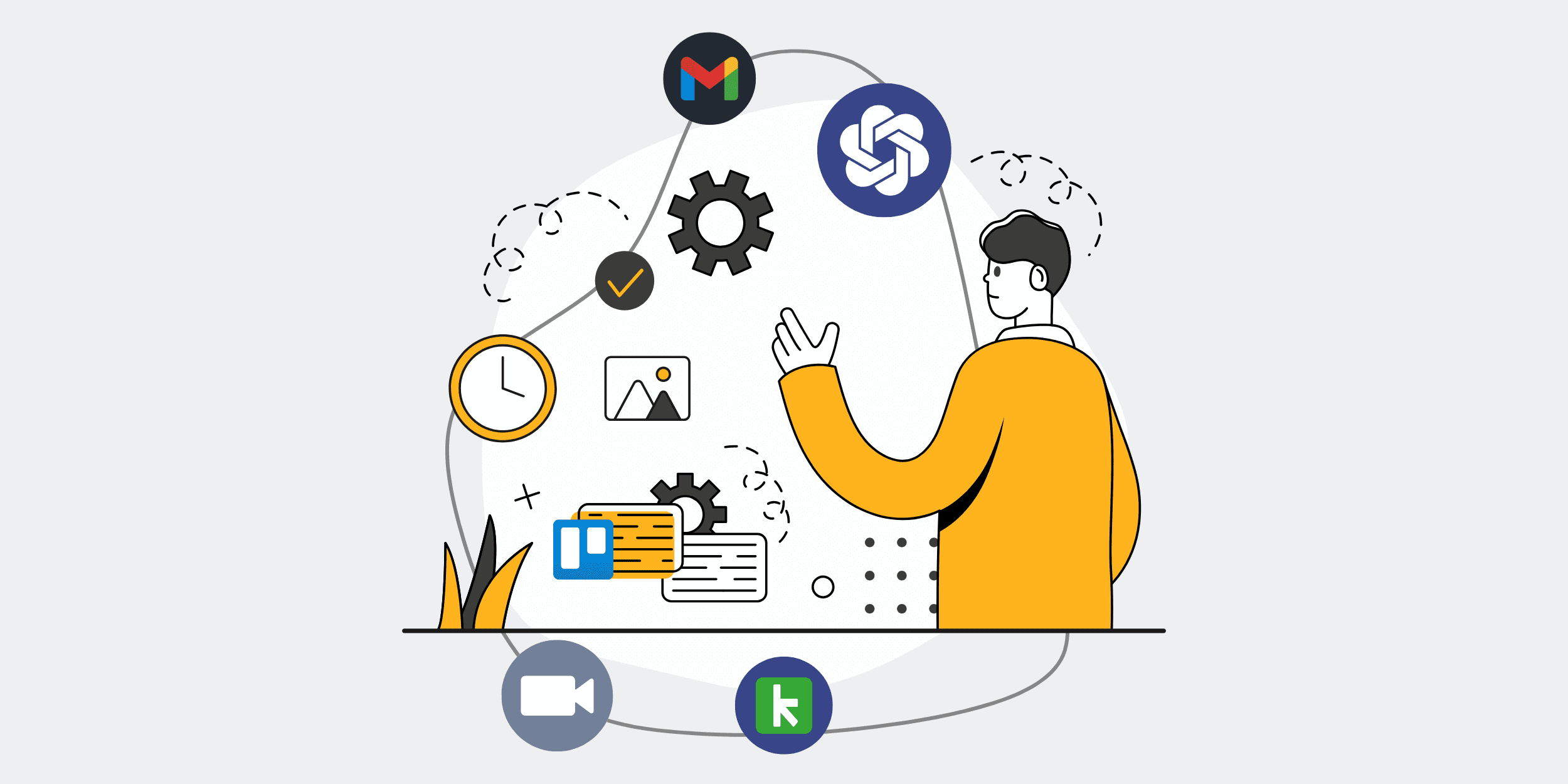
The solution isn’t to simply abandon spreadsheets altogether, but to strategically integrate them into a larger, automated ecosystem. We advocate for a shift from a reactive, manual data approach to a proactive, automated one that leverages modern low-code platforms and AI. This transformation begins with defining a “single source of truth”—a centralized, robust system where all critical data resides and is automatically updated across interconnected applications. For many of our clients, this involves integrating CRM platforms like Keap, HRIS systems, and various operational tools through powerful automation hubs like Make.com.
Our OpsMesh framework provides a blueprint for this integration, ensuring that data flows seamlessly and accurately across your entire operational infrastructure. Imagine a new hire onboarding process where candidate data from your ATS automatically populates your HRIS, payroll system, and creates necessary accounts, all without a single manual copy-paste. Or a sales process where client data captured in your CRM automatically triggers document generation via PandaDoc and informs follow-up sequences. This isn’t science fiction; it’s the reality we build for our clients, liberating their teams from the drudgery and pitfalls of manual data entry.
Real-World Impact: From Manual Drowning to Seamless Flow
We’ve seen firsthand the transformative power of this approach. For one HR tech client, the sheer volume of incoming resumes and associated data was overwhelming. They were manually parsing hundreds of resumes, extracting information, and entering it into their CRM. It was a massive time sink, prone to errors, and delayed their recruiting efforts. By implementing an automated solution using Make.com and AI enrichment, we were able to automate the entire resume intake and parsing process, syncing clean, structured data directly into their Keap CRM. This saved them over 150 hours per month, allowing their team to focus on candidate engagement and strategic recruitment, rather than administrative tasks. As they put it, “We went from drowning in manual work to having a system that just works.”
This kind of strategic automation isn’t just about saving time; it’s about unlocking potential. It enhances data accuracy, ensures compliance, provides real-time insights for better decision-making, and significantly improves scalability. By reducing low-value work for high-value employees, businesses can reallocate talent to areas that drive innovation, growth, and customer satisfaction.
Charting Your Path to Automated Data Excellence
Transitioning to automated data management is a strategic investment that pays dividends in efficiency, accuracy, and scalability. It requires a clear understanding of your current data flows, identifying bottlenecks, and designing an integrated solution that serves as your single source of truth. This is where 4Spot Consulting excels. Our OpsMap™ diagnostic is specifically designed to uncover these inefficiencies, surface opportunities for automation, and roadmap a profitable, scalable system tailored to your unique business needs.
If you’re ready to move beyond the limitations of manual processes and empower your team with the precision and speed of automation, the journey starts with understanding where you are and where you need to go. Don’t let outdated data management practices hold your business back any longer.
Ready to uncover automation opportunities that could save you 25% of your day? Book your OpsMap™ call today.
If you would like to read more, we recommend this article: The Ultimate Guide to Business Process Automation: Save Time and Scale Your Enterprise