The Hidden Costs of Manual HR Processes: Why Automation Isn’t Just for IT
In today’s fast-paced business environment, HR departments are often seen as cost centers, burdened with an ever-growing list of administrative tasks. From onboarding new hires and managing employee data to processing payroll adjustments and ensuring compliance, the sheer volume of manual work can be overwhelming. Many business leaders intuitively understand that HR is critical, but few truly grasp the insidious financial and operational drain caused by antiquated, manual processes. This isn’t just about the time spent; it’s about the hidden costs that impact everything from recruitment and retention to regulatory adherence and overall business agility.
At 4Spot Consulting, we frequently encounter HR leaders and COOs who are deeply aware of their teams being bogged down, yet struggle to articulate the full scope of the problem in terms of hard ROI. They see their high-value employees spending countless hours on repetitive, low-value tasks that contribute to burnout and divert attention from strategic initiatives. The misconception often persists that process automation is solely an IT concern, or a ‘nice-to-have’ that can wait. The reality is, neglecting HR automation is akin to leaving money on the table, jeopardizing growth, and diminishing the very human capital your business relies upon.
Beyond Recruitment: Unpacking the Burden on HR Operations
While recruiting and talent acquisition often grab the headlines, the operational burden on HR extends far beyond finding new hires. Consider the typical journey of an employee, from candidate to offboarding. Each stage is rife with manual touchpoints:
- **Onboarding:** Paperwork, system access requests, benefit enrollments, policy acknowledgements – often a disjointed, manual slog that can sour a new hire’s initial experience and delay productivity.
- **Employee Data Management:** Updating personal details, managing compensation changes, tracking performance reviews, and ensuring data consistency across multiple, often disconnected, systems.
- **Payroll & Benefits Administration:** Preparing payroll inputs, auditing time-sheets, managing leave requests, and handling benefit plan changes – all high-stakes tasks where errors are costly and time-consuming to correct.
- **Compliance & Reporting:** Monitoring regulatory changes, generating mandatory reports, tracking training completion, and maintaining audit trails – a constant, painstaking effort to stay compliant and avoid penalties.
These tasks, individually, might seem minor. Collectively, they represent a significant portion of an HR team’s bandwidth, turning strategic HR professionals into administrative clerks. This diversion of talent is not just inefficient; it’s a strategic misstep that inhibits innovation and proactive talent development.
The Real Financial Drain: More Than Just Salaries
The true cost of manual HR processes goes far beyond the salaries paid to staff for administrative duties. These are the hidden costs that erode profitability and scalability.
Opportunity Costs and Employee Turnover
Slow, manual recruitment processes mean top candidates, who often have multiple offers, move on before you can even get them through your system. The cost of a vacant position, lost productivity, and the expense of restarting the recruitment cycle is substantial. Furthermore, a clunky, inefficient internal HR experience leads to disengaged employees. When basic administrative tasks are cumbersome, it signals a lack of investment in their experience, contributing to dissatisfaction and, ultimately, higher turnover rates. Replacing a skilled employee can cost anywhere from 50% to 200% of their annual salary when you factor in recruitment fees, onboarding, training, and lost productivity.
Compliance Risks and Human Error
Manual data entry is inherently prone to error. A single mistake in payroll can lead to disgruntled employees, significant time spent on corrections, and potential fines if tax or benefit contributions are misreported. Similarly, outdated compliance tracking or missed regulatory deadlines can result in costly penalties and damage to your organization’s reputation. Disconnected systems and a lack of a single source of truth for employee data also create security vulnerabilities and make robust auditing a nightmare.
Strategic Shifts: From Reactive Firefighting to Proactive Growth
When HR is constantly engaged in reactive firefighting, there’s little room for strategic planning. The department becomes an operational bottleneck rather than a catalyst for growth. Manual processes prevent HR from contributing to key business objectives like talent forecasting, workforce development, and fostering a high-performance culture. Businesses that fail to automate HR find themselves unable to scale efficiently, struggling to support growth without exponentially increasing administrative headcount and costs.
How Automation & AI Reframe the HR Landscape
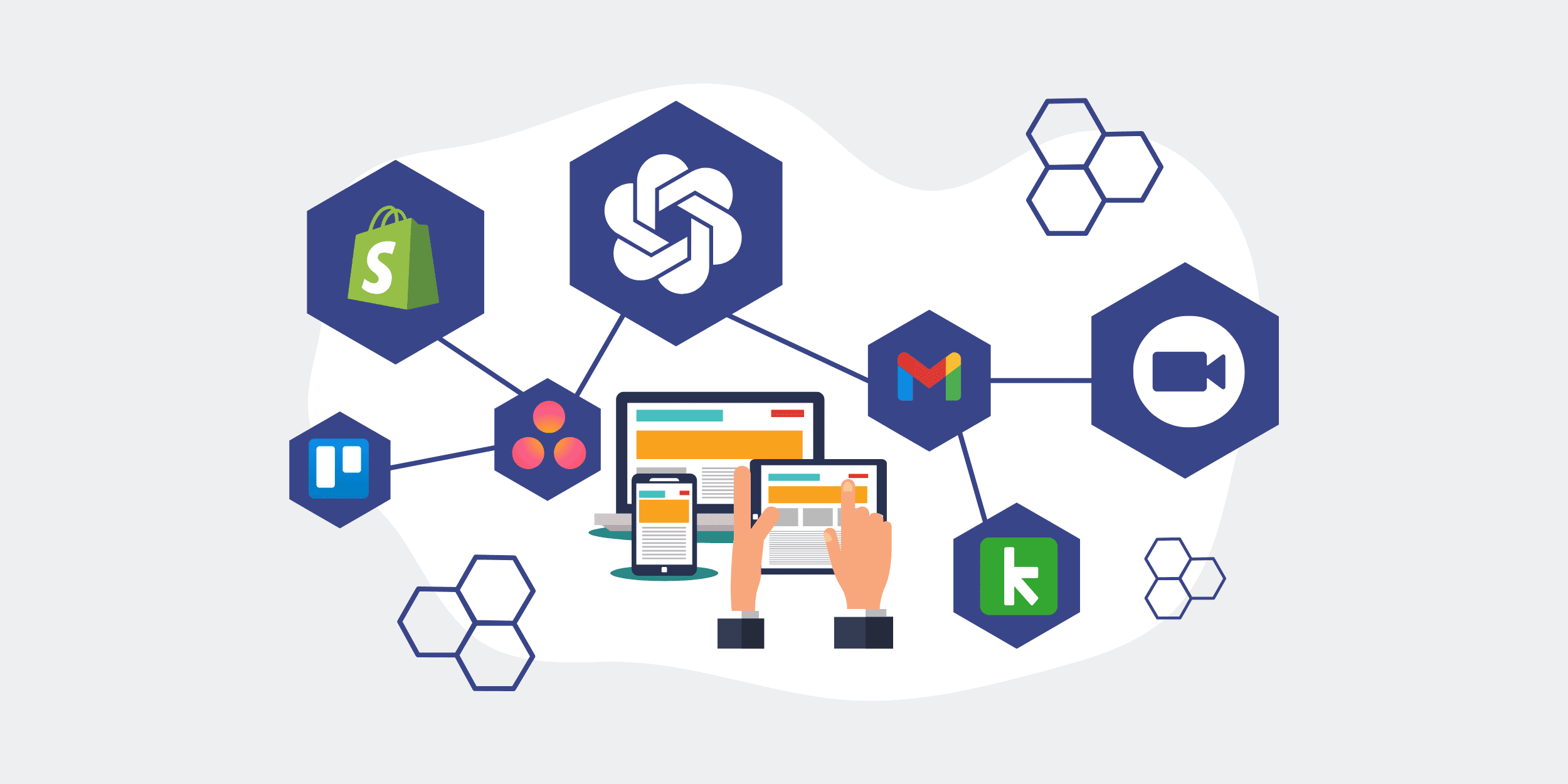
This is where 4Spot Consulting steps in. We believe that HR automation isn’t about replacing people; it’s about empowering them to perform at their highest level, focusing on high-value, strategic work. Our approach begins with an OpsMap™—a strategic audit designed to uncover inefficiencies, surface opportunities for automation, and roadmap profitable automations tailored to your specific needs. We leverage powerful low-code tools like Make.com to connect disparate systems, creating seamless workflows that eliminate manual handoffs and human error.
Imagine a world where new hire paperwork auto-populates, background checks are initiated with a click, payroll inputs are validated automatically, and compliance reports generate themselves. This isn’t futuristic fantasy; it’s what we deliver. We help integrate your CRM (like Keap or HighLevel) with HRIS, applicant tracking systems, and other tools, establishing a single source of truth that ensures data integrity and operational efficiency.
We recently partnered with an HR tech client facing exactly these challenges. By automating their resume intake and parsing process using Make.com and AI enrichment, then syncing to Keap CRM, we helped them save over 150 hours per month. As their team put it, “We went from drowning in manual work to having a system that just works.” This kind of outcome isn’t an anomaly; it’s the standard when you strategically integrate automation and AI into your core operations.
Your Path to a Streamlined HR Future
The shift from manual, error-prone HR processes to an automated, AI-powered framework is not merely an efficiency upgrade—it’s a fundamental change in how your business values and manages its most critical asset: its people. It frees your HR team to become true strategic partners, focusing on culture, talent development, and employee experience, rather than administrative drudgery. This leads to higher engagement, better retention, and ultimately, a more agile and profitable organization.
Ready to uncover automation opportunities that could save you 25% of your day and transform your HR operations? Book your OpsMap™ call today.
If you would like to read more, we recommend this article: Strategic Automation for HR & Recruiting: Beyond Basic Efficiency