The AI Co-Pilot Era: Navigating Data Privacy and Ethical Implications as Major HR Platforms Integrate Generative AI
A new frontier in human resources technology has just been unveiled, marking a significant shift in how organizations manage talent and operations. Acme HR Solutions, a leading global provider of HR management systems, recently announced the widespread rollout of its “AI Co-Pilot” feature across its entire suite of products. This deep integration of generative artificial intelligence promises to revolutionize tasks from candidate screening and onboarding to performance reviews and employee development. While the potential for unprecedented efficiency gains is clear, this development also casts a spotlight on critical questions surrounding data privacy, ethical AI deployment, and the imperative for robust automation strategies within HR departments globally.
Acme HR Solutions’ AI Co-Pilot: What It Means for HR
On November 15th, Acme HR Solutions issued a press release detailing the comprehensive integration of its “AI Co-Pilot.” This feature leverages advanced large language models (LLMs) to automate and augment a wide range of HR functions. For recruiters, the AI Co-Pilot can draft job descriptions, summarize candidate resumes, and even generate personalized outreach emails. For HR generalists, it can assist in creating performance review summaries, developing training modules, and providing initial responses to common employee queries, all while learning from an organization’s specific policies and data. “Our goal is to free HR professionals from repetitive, low-value tasks, allowing them to focus on strategic initiatives that drive business growth and employee satisfaction,” stated Brenda Chen, CEO of Acme HR Solutions, in their official announcement. The company claims the AI can process vast amounts of data in seconds, identifying patterns and generating insights that would take human teams weeks to uncover. While impressive, this speed and scale also introduce a new layer of complexity, particularly for organizations handling sensitive employee and applicant data.
The roll-out is not without precedent. Several smaller HR tech startups have been experimenting with generative AI for years. However, Acme’s market dominance means this move will likely set a new industry standard, compelling competitors to follow suit. A recent report from the ‘Future of Work Institute,’ titled “AI in HR: Opportunity and Oversight,” predicted that over 70% of major HR platforms would incorporate advanced generative AI features by 2026. “This isn’t just an upgrade; it’s a paradigm shift,” noted Dr. Eleanor Vance, lead researcher at the Institute, in an interview with ‘HR Tech Daily.’ “HR teams will need to rapidly adapt their processes, not only to leverage these tools effectively but also to navigate the significant governance challenges they present.” The core promise is undeniable: transformational efficiency. But underneath that promise lie critical operational and ethical considerations that demand immediate attention from HR leaders and IT departments alike.
Context and Implications for HR Professionals: Beyond the Hype
While the allure of an AI Co-Pilot assisting every HR task is strong, the real implications for HR professionals extend far beyond mere efficiency. The immediate concerns revolve around data privacy and security. Generative AI models thrive on data, and in the HR context, this means highly sensitive personal identifiable information (PII) of employees and job applicants. Questions arise: How is this data being used? Is it being shared with third-party LLM providers? Are there robust anonymization and encryption protocols in place? The European Union’s GDPR and various state-level privacy laws in the U.S. (like CCPA) already impose stringent requirements on data handling. Introducing powerful, data-hungry AI without rigorous oversight could inadvertently lead to compliance breaches, reputational damage, and significant legal penalties.
Furthermore, ethical considerations are paramount. Generative AI models are trained on vast datasets, which can sometimes contain inherent biases. If an AI Co-Pilot assists in drafting job descriptions or summarizing resumes, could it inadvertently perpetuate biases related to gender, race, or age present in historical data? The potential for discriminatory outcomes in hiring, performance management, or promotion recommendations is a serious concern. HR professionals must understand not just what the AI does, but *how* it does it, and critically, how to audit its outputs for fairness and equity. This demands a new level of AI literacy within HR teams and a strong partnership with legal and compliance departments. Organizations must move beyond a simple “trust the algorithm” mindset and instead implement a “verify and validate” approach for all AI-generated content and decisions.
Operational shifts will also be profound. HR teams will need to redefine roles and responsibilities. The need for manual data entry and basic administrative tasks may diminish, but the demand for strategic thinking, ethical oversight, and human-centric problem-solving will intensify. Integrating the AI Co-Pilot effectively also means ensuring seamless data flow between the HR platform and other critical business systems—from CRM to payroll. This is where the intricacies of integration and automation come into play, preventing data silos and ensuring a ‘single source of truth’ for employee information across the enterprise. Without proper integration strategies, the AI’s power could be diluted or even create new operational bottlenecks, defeating its purpose.
Practical Takeaways for HR Leaders in the Age of AI Co-Pilots
For HR leaders navigating this rapidly evolving landscape, a proactive and strategic approach is essential. Simply adopting new AI features without careful planning is a recipe for potential pitfalls. Here are key practical takeaways:
- Implement a Robust Data Governance Framework: Before leveraging any generative AI feature, HR must establish clear policies for data input, usage, and retention. Understand where the data resides, who has access, and how it is being processed by the AI. Prioritize anonymization where possible and ensure consent mechanisms are robust.
- Conduct Continuous AI Bias Audits: Don’t just set it and forget it. Regularly audit AI outputs for potential biases in hiring, performance, or other HR processes. Develop internal guidelines and metrics for fairness and ensure diverse teams review AI-generated content. This may involve custom dashboards and reporting linked directly to your HRIS.
- Invest in AI Literacy and Training: HR professionals need to understand the capabilities and limitations of generative AI. Training programs should focus on responsible AI usage, data interpretation, and critical evaluation of AI-generated insights. This empowers teams to work effectively *with* the AI, rather than simply being replaced by it.
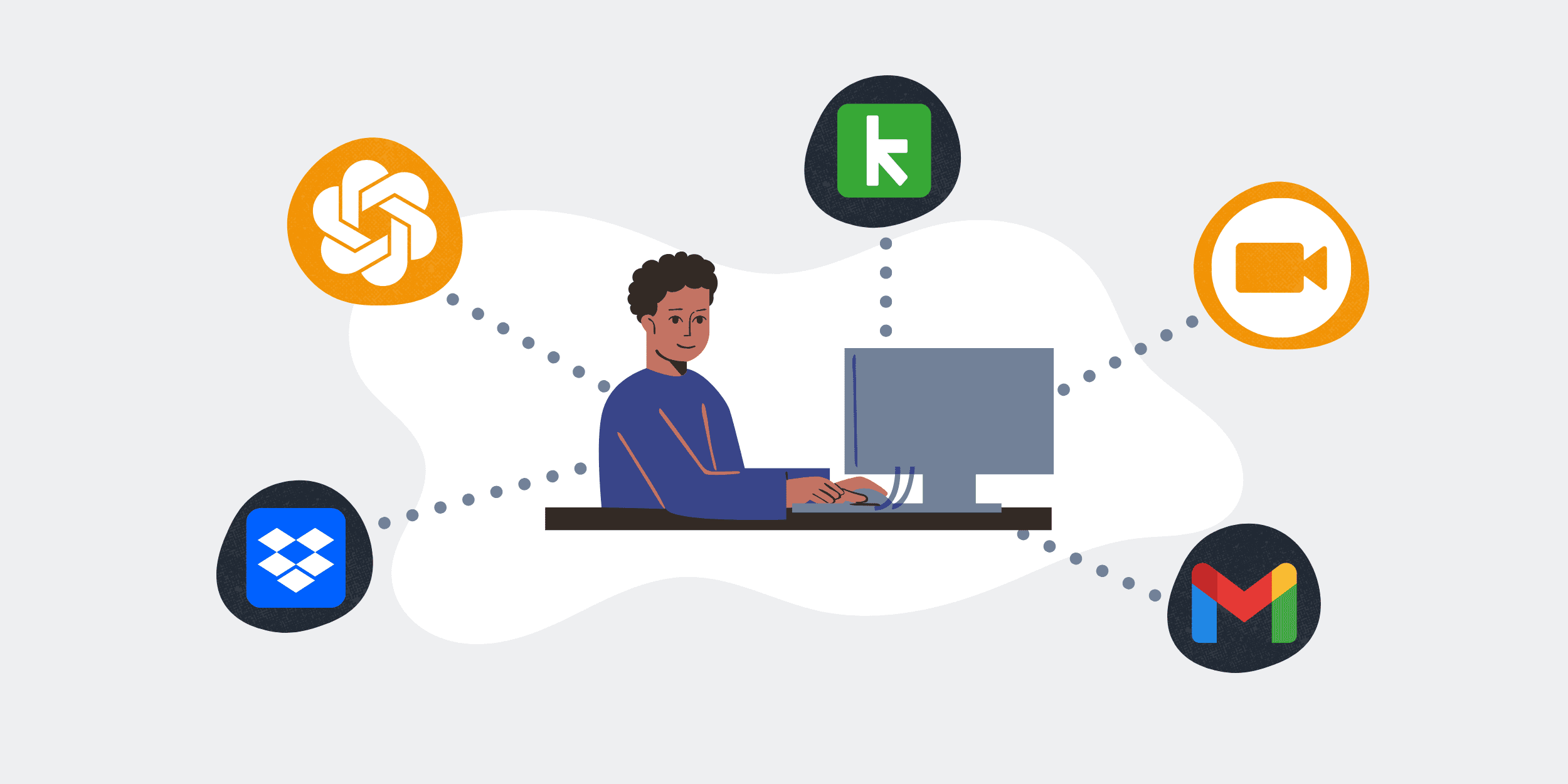
- Leverage Low-Code Automation for Integration and Oversight: The biggest challenge will be ensuring the AI Co-Pilot integrates seamlessly and compliantly within your existing tech stack. Tools like Make.com are invaluable here. They allow HR and ops teams to build custom workflows that connect the HR platform to other systems, automate data validation before it hits the AI, and create oversight mechanisms (e.g., automatically flagging AI-generated content for human review based on keywords or context). This reduces human error, ensures data consistency, and provides an auditable trail for AI interactions.
- Strategic Partnering: Work closely with IT, legal, and compliance teams. The deployment of generative AI in HR is not solely an HR initiative; it’s an enterprise-wide concern. Establishing cross-functional task forces can ensure a holistic approach to risk mitigation and value realization.
The arrival of powerful AI Co-Pilots in mainstream HR platforms like Acme HR Solutions marks a turning point. It’s an opportunity for HR to become more strategic, efficient, and impactful. However, it equally presents a challenge that demands meticulous planning, rigorous data governance, and ethical vigilance. Embracing low-code automation with platforms like Make.com, as advocated by 4Spot Consulting, is not just about efficiency; it’s about building the resilient, compliant, and scalable infrastructure necessary to thrive in this new AI-powered HR landscape.
If you would like to read more, we recommend this article: The Definitive Guide: Migrating HR & Recruiting from Zapier to AI-Powered Make.com Workflows