13 Essential Tools to Integrate with Keap for a Powerful Sales Funnel
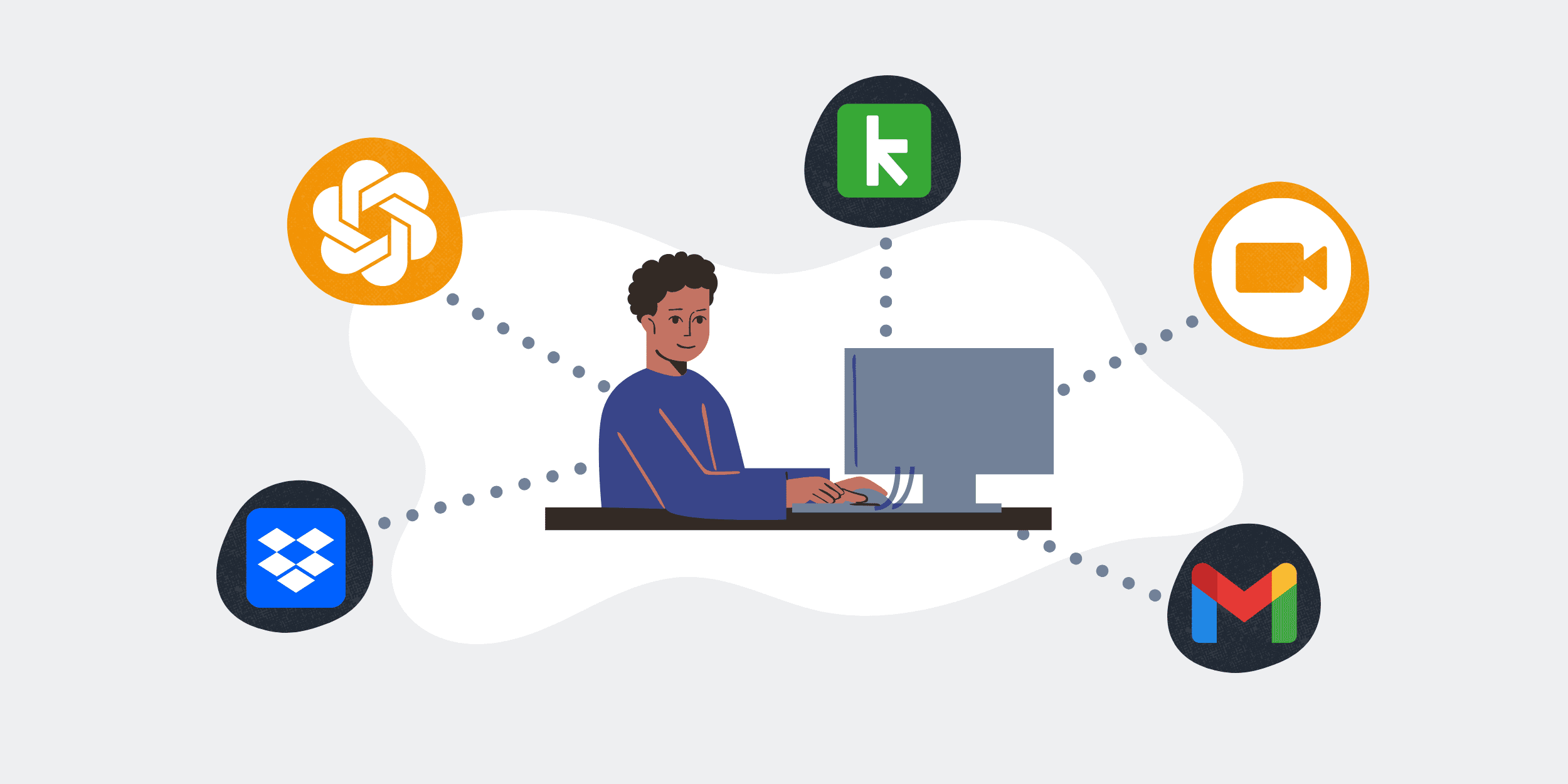
In today’s competitive landscape, merely having a CRM like Keap is no longer enough. To truly supercharge your sales funnel, increase efficiency, and drive sustainable growth, your CRM needs to be the central hub of a highly interconnected ecosystem of tools. Keap, known for its robust marketing automation and CRM capabilities, truly shines when it’s integrated seamlessly with other specialized platforms. This synergy isn’t just about convenience; it’s about eliminating manual bottlenecks, ensuring data consistency, and empowering your sales and marketing teams to focus on high-value activities.
At 4Spot Consulting, we’ve seen firsthand how businesses, especially those operating in the B2B space with over $5M ARR, can transform their operations by strategically integrating their core systems. The goal is to move beyond disparate tools and create a unified, automated sales machine that nurtures leads, streamlines proposals, automates follow-ups, and ultimately closes deals faster. This isn’t theoretical; it’s a practical imperative for businesses looking to scale efficiently and predictably. We’re talking about saving up to 25% of your day by automating repetitive tasks, freeing your team to engage more meaningfully with prospects and clients. Let’s explore the essential tools that, when integrated with Keap, can elevate your sales funnel from good to truly great.
1. Make.com (formerly Integromat) for Advanced Automation
While Keap offers native integrations and its own automation builder, relying solely on these can limit your potential for true end-to-end process automation. This is where Make.com steps in as an indispensable orchestration layer. Make.com acts as the central nervous system, connecting Keap with hundreds of other applications in highly complex, multi-step workflows that Keap alone cannot achieve. For your sales funnel, this means automating lead qualification across multiple platforms, syncing contact data from social media or webinar platforms directly into Keap, triggering personalized email sequences based on website behavior, or updating Keap records when a document is signed in another system. For example, if a lead fills out a Typeform survey, Make.com can parse the data, create a contact in Keap, assign a tag, and even notify the sales rep via Slack—all without manual intervention. The power here lies in creating sophisticated, conditional logic that ensures no lead falls through the cracks and every interaction is timely and relevant. This level of granular control and cross-platform communication is the backbone of a truly automated, high-performing sales funnel, ensuring Keap remains the single source of truth while benefiting from the specialized functions of other tools.
2. PandaDoc for Dynamic Proposals and Contracts
The sales process culminates in the proposal and contract phase, often a point of significant friction and delay. Integrating PandaDoc with Keap completely transforms this critical stage. Imagine a sales rep generating a personalized proposal or contract directly from a Keap opportunity, pre-populating client data, services, and pricing with just a few clicks. PandaDoc’s dynamic content blocks allow for tailored messaging based on Keap tags or custom fields, ensuring consistency and accuracy while drastically reducing preparation time. Once sent, Keap can automatically track the document’s status—viewed, opened, signed—triggering follow-up sequences or internal notifications based on these actions. For instance, if a proposal is viewed multiple times but not signed, Keap can initiate a specific email campaign or alert the sales rep for a proactive call. Beyond just proposals, PandaDoc handles e-signatures, secure document storage, and even payment collection, streamlining the entire closing process. This integration not only accelerates deal closure but also provides invaluable insights into client engagement with your sales collateral, ensuring your sales funnel is efficient right up to the finish line.
3. Unipile for Unified Communication Management
Sales professionals spend an inordinate amount of time jumping between email, SMS, social media DMs, and various messaging apps, leading to fragmented communication and missed opportunities. Unipile solves this by offering a unified inbox that aggregates all these communication channels into a single interface. When integrated with Keap, Unipile becomes a powerful tool for maintaining context and ensuring all client interactions are recorded. Imagine a Keap contact record automatically updating with every email exchange, SMS conversation, or even LinkedIn message, without requiring manual logging. This eliminates the “where did we last speak?” problem and provides a comprehensive communication history for every lead and client. Furthermore, Unipile can trigger actions in Keap based on communication events; for example, if a prospect replies to an email or sends a specific message, Keap can update their lead score, assign a task to a sales rep, or move them to the next stage of the sales funnel. This integration ensures that every sales interaction is captured, organized, and actionable, preventing communication silos and providing your sales team with a complete 360-degree view of every prospect and customer directly within their Keap CRM.
4. Bland AI for AI-Powered Outbound & Inbound Calls
In the initial stages of a sales funnel, qualification and discovery calls are time-consuming yet crucial. Bland AI introduces a revolutionary approach by leveraging AI for these conversations. Integrated with Keap, Bland AI can automate initial outbound qualification calls to new leads, identifying genuinely interested prospects based on predefined criteria. For instance, after a lead fills out a form, Keap can trigger a Bland AI call to ask specific qualification questions. The AI’s responses are then processed, and key data points are extracted and updated in the Keap contact record, along with a transcription of the call. This allows sales reps to focus their valuable time only on leads that meet specific criteria, dramatically improving funnel efficiency. Bland AI can also handle inbound inquiries, providing instant answers to common questions, scheduling appointments directly into a sales rep’s calendar (which syncs back to Keap), or even performing initial needs assessments. This not only frees up sales bandwidth but also ensures consistent, immediate engagement with prospects, moving them through the early stages of the funnel without delay. The precise data capture by Bland AI directly enriches your Keap CRM, making subsequent human interactions far more informed and productive.
5. Zoom (or similar) for Seamless Video Conferencing
Video conferencing has become an essential part of the modern sales cycle, from discovery calls to product demos and closing presentations. Integrating Zoom (or Google Meet, Microsoft Teams) with Keap streamlines the entire meeting lifecycle. When a meeting is scheduled with a Keap contact, the integration can automatically create a Zoom meeting link, add it to the calendar invite, and even push the meeting details back into Keap’s activity log for that contact. Post-meeting, the integration can update the Keap opportunity stage, log meeting notes, or trigger follow-up tasks for the sales rep. For example, if a demo call is completed, Keap can automatically initiate a follow-up email sequence containing relevant resources discussed during the call. Some advanced integrations allow for recording transcripts or summaries to be attached to the Keap record, providing a comprehensive history of the interaction. This ensures that every valuable conversation is documented and actionable, preventing information loss and enabling the sales team to maintain momentum. The ability to seamlessly schedule, conduct, and log video meetings directly from or into Keap removes friction from the sales process, allowing sales reps to spend more time engaging and less time on administrative tasks, thus accelerating the sales funnel.
6. Calendly (or similar) for Effortless Meeting Scheduling
The back-and-forth email exchange to find a suitable meeting time is a notorious productivity killer in sales. Calendly, or similar scheduling tools, integrated with Keap, eliminates this friction entirely. A sales rep can share their personalized Calendly link, allowing prospects to book a time that suits them, directly seeing the rep’s real-time availability. The magic happens with the Keap integration: when a prospect schedules a meeting, Calendly can automatically create or update a contact record in Keap, assign a tag (e.g., “Meeting Booked”), and even initiate an automation sequence. For instance, Keap can send a series of pre-meeting reminders, provide preparatory materials, or notify the sales manager of a new scheduled call. After the meeting, if the prospect fails to show up, Keap can trigger a re-scheduling automation. Conversely, if the meeting occurs, it can automatically move the prospect to the next stage of the sales funnel or assign a follow-up task. This integration drastically reduces administrative overhead, improves show-up rates by simplifying the booking process and automating reminders, and ensures that every booked meeting seamlessly progresses the prospect through your Keap-powered sales funnel with minimal manual intervention.
7. DocuSign (or Adobe Sign) for Secure E-Signature Management
While PandaDoc handles proposals and contracts comprehensively, some businesses have specific requirements or legacy systems that necessitate a dedicated e-signature solution like DocuSign or Adobe Sign. Integrating these with Keap ensures that the final step of closing a deal is swift, secure, and fully tracked. When an agreement needs to be signed, Keap can trigger the creation and sending of the document via DocuSign, automatically populating recipient information from the Keap contact record. The real power comes in the real-time status updates back into Keap. As the document moves through the signing process—sent, viewed, signed, declined—Keap can update the opportunity stage, assign tasks to the sales rep (e.g., “Onboard New Client”), or trigger welcome email sequences for signed clients. This eliminates the need for sales reps to manually check document statuses and ensures that all stakeholders are aware of the deal’s progression. Having a clear, auditable trail of contract execution directly within Keap strengthens compliance and provides a single source of truth for all sales agreements, accelerating the final stages of the sales funnel and improving overall operational efficiency.
8. Slack (or Microsoft Teams) for Real-time Team Collaboration
Effective internal communication is paramount for a sales team to operate as a cohesive unit and respond quickly to opportunities. Integrating Slack (or Microsoft Teams) with Keap provides real-time alerts and collaboration capabilities that significantly impact sales funnel velocity. Imagine a new high-value lead entering Keap; an integration could instantly post a notification in a dedicated Slack channel, including key lead details and a link to their Keap record. Similarly, when a Keap opportunity moves to a critical stage (e.g., “Proposal Sent” or “Deal Won”), a Slack message can update the entire sales team, fostering celebration and awareness. This real-time visibility allows managers to quickly jump in if a deal is stuck, or for team members to offer support and insights. Furthermore, sales reps can use Slack to quickly communicate with support or product teams about client inquiries, with relevant Keap contact information embedded in the message. This seamless flow of information prevents delays, ensures everyone is on the same page, and enables rapid decision-making, transforming your sales team into a more agile and responsive unit, ultimately driving deals through the Keap sales funnel more efficiently.
9. Google Analytics (or similar) for Website Behavior Insights
Understanding how prospects interact with your website is crucial for effective lead scoring, segmentation, and personalized outreach. Integrating Google Analytics (or other web analytics platforms) with Keap provides invaluable insights that can directly influence your sales funnel strategy. While direct, real-time integration might require a tool like Make.com, the concept is to feed behavioral data back into Keap. For example, if a Keap contact visits a specific product page multiple times or downloads a whitepaper, this activity can be used to update their lead score or trigger a specific automation. Keap’s tags can be applied based on visited URLs, enabling highly segmented follow-up campaigns. Imagine identifying a Keap contact who has repeatedly viewed your pricing page; this could trigger an alert to a sales rep for a timely outreach or enroll them in a targeted Keap email sequence offering a demo. By marrying anonymous website behavior data with known Keap contact profiles, you gain a powerful understanding of prospect intent. This allows your sales team to prioritize hot leads and tailor their conversations to the specific interests demonstrated by their online actions, ensuring your Keap sales funnel is proactive and highly responsive to prospect engagement.
10. Stripe (or QuickBooks/Xero) for Seamless Payment & Accounting
The sales funnel doesn’t truly end until payment is successfully processed and recorded. Integrating Stripe (for payment processing) or accounting software like QuickBooks or Xero with Keap streamlines this final, critical stage. With Stripe integration, sales reps can generate payment links directly from Keap, pre-populated with deal amounts. Once a payment is made, Keap can automatically update the opportunity status to “Closed Won,” trigger client onboarding automations, and even update subscription statuses for recurring revenue models. This eliminates manual invoicing and reconciliation, reducing human error and accelerating cash flow. For accounting software, the integration ensures that client and invoice data from Keap is automatically pushed into your accounting system, preventing duplicate data entry and ensuring financial records are always accurate and up-to-date. This also provides Keap with a complete financial history of each client, allowing for better customer segmentation and retention strategies. By connecting the revenue side directly to your Keap CRM, you gain a holistic view of your sales performance and customer lifetime value, ensuring a smooth transition from sales to finance and solidifying the back-end of your sales funnel.
11. Typeform (or Jotform) for Advanced Lead Capture & Surveys
Generic contact forms often fall short in capturing the rich, qualifying data necessary to nurture leads effectively. Integrating Typeform (or Jotform) with Keap elevates your lead capture and feedback mechanisms. These tools allow you to create engaging, conversational forms and surveys that improve completion rates and gather more insightful information. When a prospect completes a Typeform, an integration (often facilitated by Make.com) can instantly create or update a contact in Keap, mapping custom field data directly. More importantly, Keap can use this data to dynamically score leads, assign specific tags, or initiate personalized automation sequences. For example, if a prospect indicates high intent or a specific need in a survey, Keap can immediately notify a sales rep, send a tailored email with relevant case studies, or move them to a ‘hot lead’ pipeline. Beyond initial lead capture, these tools are excellent for post-sale feedback, onboarding questionnaires, or even sales qualification surveys, all feeding data directly back into Keap to enrich client profiles and drive smarter decisions throughout the sales funnel. The rich data gathered through these interactive forms empowers Keap to deliver highly targeted and effective sales and marketing efforts.
12. Gainsight (or Customer.io) for Customer Success & Retention
While often seen as post-sales, customer success is an integral part of a powerful sales funnel, driving renewals, upsells, and referrals – effectively widening the top of the funnel through advocacy. Integrating a customer success platform like Gainsight (or a robust customer engagement platform like Customer.io) with Keap ensures a seamless handover from sales to success and provides a unified view of the customer journey. After a deal closes in Keap, the integration can automatically create a customer record in Gainsight, populated with all relevant sales data, contract details, and historical interactions. Gainsight then monitors customer health, usage patterns, and potential churn risks. When a customer shows signs of disengagement or an opportunity for an upsell, Gainsight can trigger alerts back into Keap, allowing the Keap-managed sales team to proactively engage. Conversely, positive customer health scores and testimonials tracked in Gainsight can be used to enrich Keap contact records, empowering marketing to leverage these for case studies and referrals. This closed-loop system ensures that sales isn’t just about closing a deal, but about cultivating long-term customer relationships that continuously feed the sales funnel through advocacy and expansion, ultimately making Keap a more powerful tool for customer lifecycle management.
13. Loom (or Vidyard) for Personalized Video Messaging
In a world saturated with text-based communication, personalized video messaging stands out and builds rapport faster. Integrating Loom (or Vidyard) with Keap allows sales professionals to quickly create and send short, personalized video messages to prospects and clients, directly from their Keap interactions. Imagine sending a video introduction to a new lead, a personalized explanation of a complex product feature, or a follow-up video after a meeting, all within the context of Keap. The integration can track when these videos are watched, providing valuable engagement data that can update Keap records or trigger subsequent automations. For instance, if a prospect watches a video multiple times, Keap could notify the sales rep or send an email with additional resources. This humanizes the sales process, breaks through the noise, and helps build trust and connection. The ease of recording and sharing these videos means reps can quickly create impactful messages that move prospects through the funnel, improving response rates and making the Keap-driven sales experience far more engaging and memorable. It’s about adding a personal touch that scales, ensuring every prospect feels seen and valued.
Building a powerful sales funnel with Keap at its core isn’t about adding more tools; it’s about strategically integrating the right tools to create a cohesive, automated ecosystem. Each integration discussed here addresses a specific pain point or opportunity within the sales cycle, transforming manual, fragmented processes into streamlined, intelligent workflows. From initial lead qualification to proposal generation, communication, and customer success, these integrations ensure that Keap truly becomes the engine of your growth. At 4Spot Consulting, our OpsMesh framework is designed to help businesses like yours implement these very strategies, eliminating inefficiencies and driving measurable ROI. Don’t just manage your sales funnel; automate and amplify it. The difference between struggling to keep up and scaling effortlessly often lies in the quality of your integrations.
If you would like to read more, we recommend this article: Keap Data Protection: Your Essential Backup & Recovery Playbook