Building Custom HR Apps: The No-Code/Low-Code Revolution with Make.com
HR departments today often find themselves in a perpetual state of adaptation, juggling an ever-evolving landscape of talent acquisition, employee experience, and compliance. The traditional reliance on rigid, off-the-shelf HRIS platforms, while foundational, frequently presents significant bottlenecks. These systems, designed for broad applicability, struggle to accommodate the nuanced, unique workflows that give an organization its competitive edge. The result? Manual workarounds, data silos, frustrated employees, and HR teams spending valuable time on administrative tasks rather than strategic initiatives. But what if you could tailor your HR infrastructure to your exact needs, without the prohibitive cost and time of custom software development? This is precisely where the power of no-code/low-code platforms, particularly Make.com, is transforming how HR operates, empowering organizations to build custom HR applications that are agile, integrated, and profoundly human-centric.
The Challenge of Modern HR: Why Generic Solutions Fall Short
Modern HR demands agility. Whether it’s rapid scaling, adapting to new regulatory environments, or fostering a distinctive company culture, the HR function must be dynamic. Generic HR software often acts as a straitjacket, forcing departments to conform to its predefined processes rather than enabling their own optimized workflows. Integrations can be cumbersome, customization limited, and the sheer complexity often requires specialized IT resources, further slowing innovation. This inability to quickly adapt leads to fragmented data, inefficient communication, and ultimately, a less impactful HR department struggling to deliver strategic value. The cost of these inefficiencies, though often hidden, accumulates rapidly in lost productivity and missed opportunities.
The Make.com Advantage: Empowering HR with No-Code/Low-Code
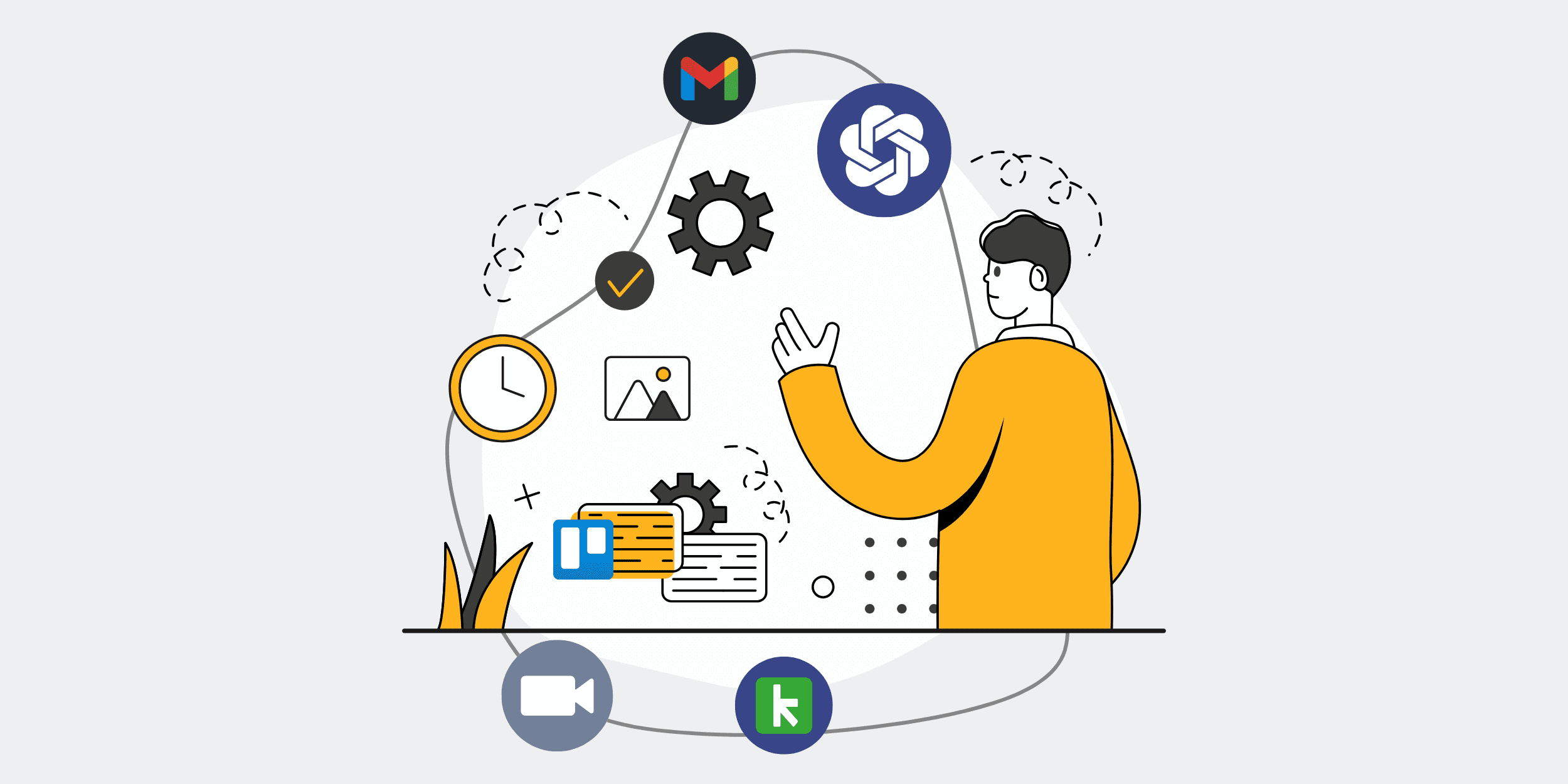
Make.com emerges as a game-changer, offering a visual, intuitive interface that allows HR professionals – or their operational partners – to design, build, and deploy sophisticated custom applications without writing a single line of code. It acts as the central nervous system for your digital operations, connecting disparate systems like your ATS, HRIS, communication tools, and even custom spreadsheets. Imagine automatically generating offer letters from a successful interview outcome in your ATS, initiating a background check, provisioning new hire accounts in Slack and Google Workspace, and scheduling onboarding sessions – all seamlessly orchestrated by a custom “scenario” in Make.com. This isn’t just about automation; it’s about building bespoke digital pathways that perfectly mirror your ideal HR processes, eliminating manual handoffs and ensuring consistency.
Beyond Basic Integrations: Crafting Truly Custom Workflows
The true strength of Make.com lies in its ability to go beyond simple “if this, then that” integrations. It enables the creation of complex, multi-step workflows that can involve conditional logic, data transformation, and interaction with hundreds of SaaS applications. For HR, this means building solutions for niche challenges: automating candidate pre-screening based on specific criteria, creating personalized employee check-in flows, managing complex leave requests with multi-level approvals, or even building internal tools for performance management that integrate feedback from various sources. These aren’t minor tweaks; they are fundamental shifts in how HR can operate, moving from reactive to proactive, from administrative burden to strategic partner.
Real-World Impact: Automating the HR Lifecycle
Consider the entire HR lifecycle. In recruiting, Make.com can automate everything from initial applicant screening and scheduling to personalized follow-ups and offer letter generation. For onboarding, it can ensure every new hire receives the right documents, access, and introductions at precisely the right time, creating a consistent and welcoming experience. Performance management can be streamlined by aggregating data from various feedback tools into a single view, automating reminder notifications, and facilitating review cycles. Even offboarding can be made smoother and more compliant with automated checklists for asset recovery, access revocation, and final paperwork. Each custom application built with Make.com frees up HR’s most valuable asset: their time, allowing them to focus on cultivating talent and culture.
Strategic Implementation: More Than Just Tools
While the technical capabilities of Make.com are impressive, building effective custom HR applications requires more than just knowing the platform. It demands a strategic understanding of HR processes, an ability to identify bottlenecks, and a clear vision for desired outcomes. This is where a strategic approach becomes paramount. It starts with an OpsMap™ – a diagnostic process to meticulously uncover inefficiencies, map current workflows, and identify the highest-impact automation opportunities. Only then can the OpsBuild phase commence, ensuring that the custom HR apps are not merely functional, but truly transformative, aligning with broader organizational goals and delivering tangible ROI. The goal is to create a resilient, adaptable HR infrastructure that supports growth and innovation, rather than hindering it.
By leveraging no-code/low-code platforms like Make.com, HR departments are no longer beholden to the limitations of generic software. They gain the power to innovate, to build solutions precisely tailored to their needs, and to elevate the employee experience while simultaneously boosting operational efficiency. This shift isn’t just about adopting new technology; it’s about embracing a mindset where HR becomes a true architect of organizational success, empowered to shape its own future with agile, custom-built tools.
If you would like to read more, we recommend this article: Make.com: The Blueprint for Strategic, Human-Centric HR & Recruiting