Eliminating the Silent Drain: How Manual Data Entry Undermines HR & Recruiting Efficiency
In the relentless pursuit of growth, businesses often overlook a silent saboteur lurking within their daily operations: manual data entry. For HR and recruiting departments, this isn’t merely a tedious chore; it’s a significant drain on resources, a breeding ground for errors, and a formidable barrier to scalability. At 4Spot Consulting, we’ve witnessed firsthand how this seemingly innocuous task can erode efficiency, stifle innovation, and ultimately impact the bottom line of high-growth B2B companies. The real cost extends far beyond the hourly wage of the individual performing the task; it touches everything from employee morale to strategic decision-making.
The Hidden Costs That Pile Up
Consider the typical day in an HR or recruiting department. Resumes are downloaded, candidate data is transcribed into applicant tracking systems (ATS), offer letters are manually generated, and onboarding documents require repetitive information input. Each of these touchpoints represents a potential bottleneck and a point of failure. The primary hidden costs include:
Productivity Loss
Valuable time that high-value employees could spend on strategic initiatives—such as candidate engagement, talent strategy development, or employee retention programs—is instead consumed by repetitive, low-value data input. This is not just a loss of hours; it’s a loss of opportunity for truly impactful work. An HR manager spending hours transferring data from a spreadsheet to a CRM is an HR manager not actively nurturing a critical candidate pipeline or resolving a complex employee relations issue.
Increased Error Rates
Human error is an inevitable consequence of repetitive tasks. A mistyped salary figure, an incorrect start date, or a transposed candidate ID can cascade into significant issues—from payroll discrepancies and compliance violations to a poor candidate experience. Correcting these errors isn’t just time-consuming; it often involves multiple stakeholders, disrupting workflows across departments and eroding trust.
Delayed Decision-Making and Poor Data Integrity
When data is scattered across disparate systems or requires manual consolidation, accessing accurate, real-time insights becomes a challenge. This leads to delayed decision-making in critical areas like hiring forecasts, budget allocation, and talent development. Furthermore, inconsistent data entry practices lead to data integrity issues, making it difficult to generate reliable reports or identify genuine trends, hindering a company’s ability to operate with a “single source of truth.”
Beyond the Spreadsheet: The Strategic Impact
The impact of manual data entry extends beyond operational inefficiencies. It directly undermines a company’s ability to scale and adapt. A recruitment firm that relies heavily on manual processes will struggle to double its hiring volume without significantly increasing its headcount, often at a higher cost. An HR department drowning in paperwork will find it nearly impossible to implement new, strategic employee programs or respond quickly to market changes.
Moreover, the constant grind of manual tasks can lead to significant employee burnout. Talented professionals, hired for their strategic thinking and interpersonal skills, quickly become disengaged when their days are dominated by administrative drudgery. This contributes to turnover, further exacerbating the cycle of inefficiency and increasing recruitment costs.
The Automation Imperative: Reclaiming Your Day
At 4Spot Consulting, our core mission is to save businesses 25% of their day by strategically integrating automation and AI. For HR and recruiting, this means moving beyond the traditional, manual processes that have long held departments captive. Our approach, rooted in frameworks like OpsMesh, OpsMap, and OpsBuild, systematically identifies these data entry pain points and implements robust, intelligent solutions.
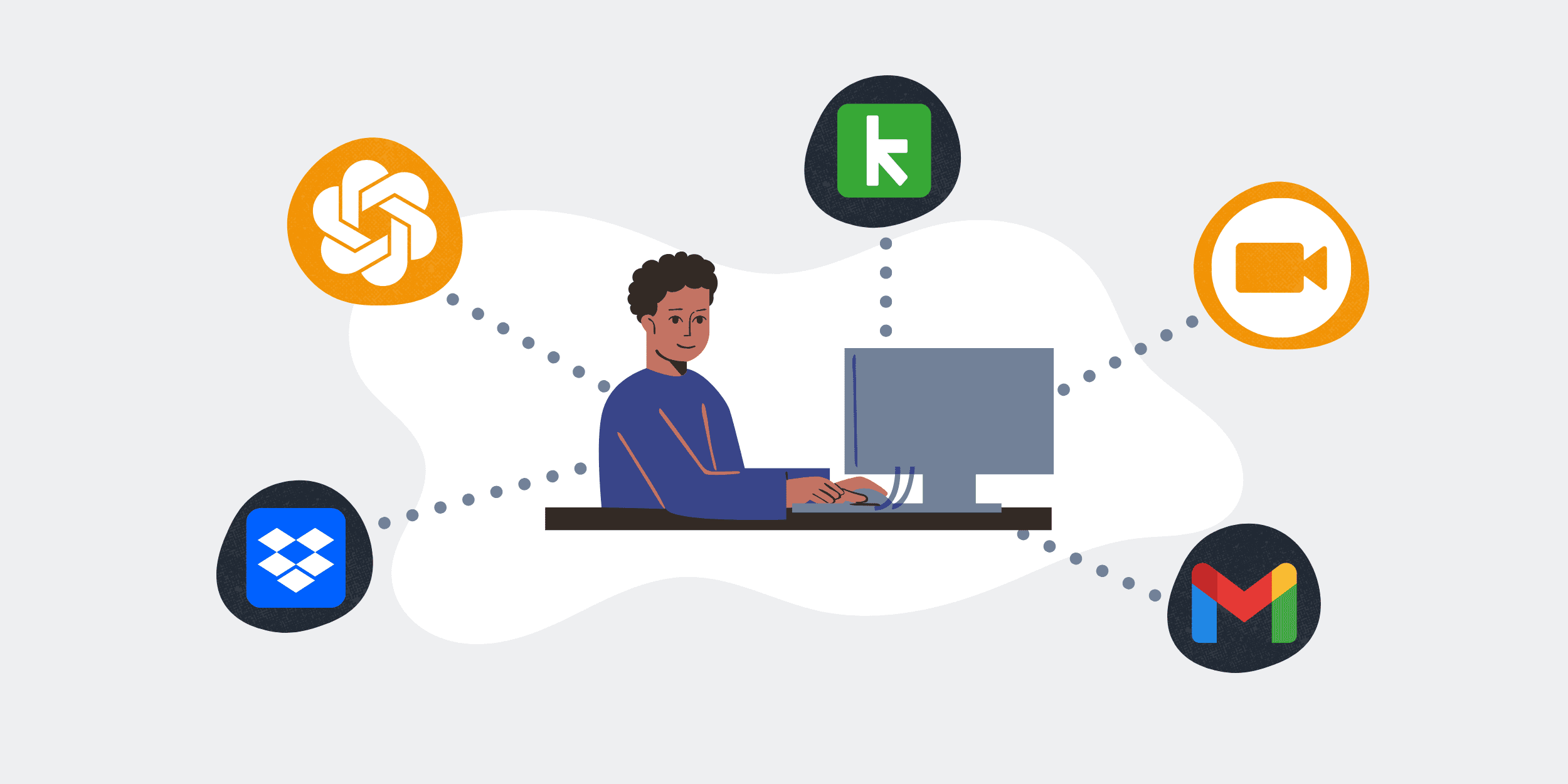
Imagine a system where candidate resumes are automatically parsed and enriched with AI, populating your ATS with structured data without a single manual keystroke. Picture offer letters generated and sent for e-signature, with all relevant data seamlessly flowing into HRIS and payroll systems. This isn’t futuristic fantasy; it’s the operational reality we build for our clients using platforms like Make.com, Keap, and PandaDoc.
By automating the mundane, we free your high-value employees to focus on what truly matters: building relationships, fostering culture, and driving strategic growth. We turn fragmented data into a cohesive, single source of truth, enabling agile decision-making and empowering leadership with actionable insights. This strategic-first approach ensures that every automation is tied to a clear ROI, eliminating human error and significantly reducing operational costs.
The journey begins with an OpsMap™—a strategic audit designed to uncover these hidden inefficiencies and roadmap profitable automations tailored to your unique business needs. We don’t just build; we plan, optimize, and provide ongoing support, ensuring your automation infrastructure evolves with your company.
If you’re ready to transform your HR and recruiting operations from a cost center into a strategic advantage, it’s time to eliminate the silent drain of manual data entry. Reclaim your team’s time, reduce errors, and build a truly scalable foundation for growth.
If you would like to read more, we recommend this article: The Foundation of Operational Excellence: Streamlining Your Business Through Automation