The Silent Drain: Why Manual Data Entry is Crushing Your Business Scalability
In the relentless pursuit of growth, businesses often overlook the subtle, yet significant, operational bottlenecks that can silently erode profitability and stunt scalability. Among these, manual data entry stands out as a primary culprit. It’s a task so ingrained in daily operations that many companies consider it an unavoidable cost of doing business, failing to recognize its true impact on employee productivity, data integrity, and ultimately, the bottom line. At 4Spot Consulting, we speak from decades of experience when we say that this isn’t just a minor inefficiency; it’s a strategic vulnerability preventing you from reaching your full potential.
The Illusion of Efficiency: Why Manual Isn’t Cheaper
Many business leaders operate under the assumption that hiring an entry-level employee to handle data input is the most cost-effective solution. The hourly wage might seem low, but this perspective entirely misses the hidden costs. Think about the time spent not just inputting, but correcting errors, cross-referencing disparate systems, and dealing with the downstream consequences of misinformation. Every minute an employee spends manually transcribing data is a minute they are not dedicating to higher-value, strategic tasks that drive innovation, client satisfaction, or revenue generation. This isn’t just about saving labor costs; it’s about optimizing human capital and unlocking the true potential of your high-value team members.
Consider the cumulative effect across an organization. What if your HR team is manually entering candidate data into a CRM, then again into an ATS, and yet again into onboarding paperwork? What if your sales team is manually updating client records across a spreadsheet and a CRM, leading to discrepancies? These aren’t isolated incidents; they are systemic drains on operational efficiency. Our OpsMap™ diagnostic often reveals that up to 25% of an employee’s day can be consumed by these repetitive, low-value tasks. That’s a quarter of your payroll effectively spent on non-strategic, error-prone activities.
Beyond the Spreadsheet: The True Cost of Human Error
The financial impact of manual data entry extends far beyond just wasted time. Human error is an inevitable part of any manual process. A single misplaced decimal, an incorrect client ID, or an overlooked field can propagate through entire systems, leading to incorrect reporting, faulty decision-making, compliance issues, and even significant financial losses. Imagine the consequences in recruiting, where a critical candidate detail is missed, leading to a poor hiring decision, or in client management, where inaccurate contact information delays a crucial follow-up.
Data Integrity and Strategic Insight
When data is inconsistent across systems, achieving a “single source of truth” becomes an impossible dream. This fragmentation makes it incredibly difficult to gain accurate, holistic insights into your business performance. How can you confidently make strategic decisions about resource allocation, market expansion, or product development if the underlying data is unreliable? The lack of data integrity is a silent killer of strategic agility, leaving businesses reacting to problems rather than proactively shaping their future. Our experience shows that clean, automated data is the bedrock of intelligent business growth.
Reclaiming Value: How Automation Transforms Data Management
The solution isn’t to work harder or hire more; it’s to work smarter through intelligent automation and AI. By leveraging platforms like Make.com, we help businesses establish seamless data flows between their disparate systems. This means once data is entered in one place, it automatically populates all other relevant platforms – from CRM and ATS to project management and accounting software. The benefits are immediate and profound: eliminates human error, ensures data consistency, and frees up your high-value employees to focus on strategic initiatives that truly move the needle.
Consider an HR firm we worked with. They were drowning in manual resume intake and parsing. By implementing a custom automation solution using Make.com and AI enrichment, we helped them save over 150 hours per month. The system automatically parsed resumes, extracted key data, and synced it directly into their Keap CRM, dramatically reducing manual work and improving candidate quality. This isn’t just about speed; it’s about precision and strategic allocation of human talent.
Building a Single Source of Truth: The OpsMesh™ Approach
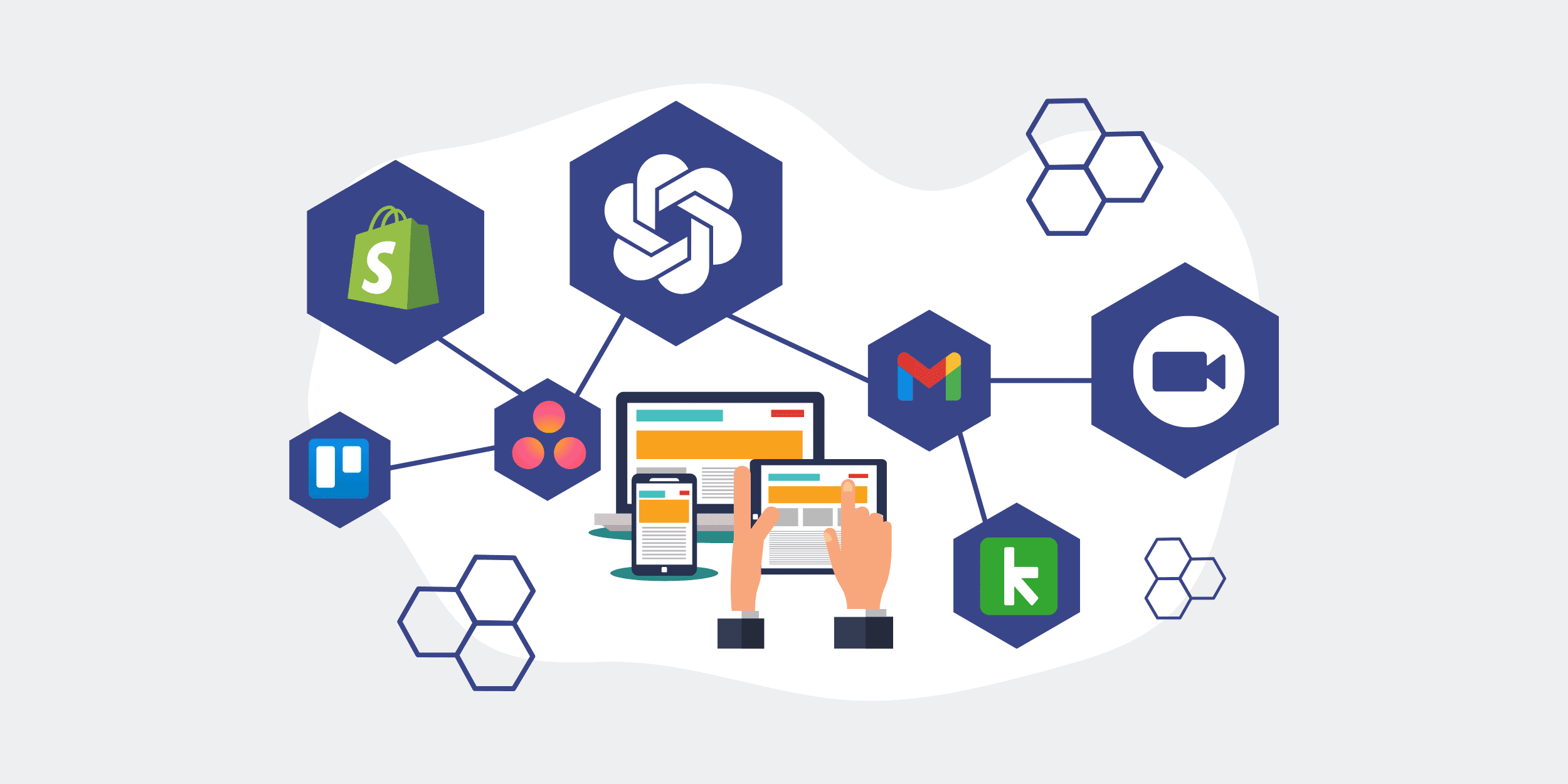
At 4Spot Consulting, our OpsMesh™ framework is designed to create a robust, interconnected web of automated processes that ensures data integrity and operational excellence. We don’t just build automations; we design a comprehensive strategy that connects all your critical business systems into a cohesive, intelligent ecosystem. This means your data flows freely and accurately, creating that elusive “single source of truth” that empowers confident decision-making.
Moving away from manual data entry isn’t just about fixing a problem; it’s about fundamentally rethinking how your business operates. It’s about recognizing that repetitive, administrative tasks are best handled by automated systems, allowing your human talent to engage in creative problem-solving, strategic planning, and building stronger client relationships. This shift not only reduces operational costs and eliminates errors but also significantly enhances your business’s ability to scale efficiently and rapidly, adapting to market demands without being bogged down by archaic processes.
If you’re still relying on manual data entry for critical business functions, you’re not just wasting time and money; you’re actively hindering your company’s growth potential. The path to true scalability and sustainable profitability lies in embracing the power of automation to create a resilient, error-free, and highly efficient operational backbone.
If you would like to read more, we recommend this article: The Foundation of Future-Ready Business: Integrated Automation Strategies