Unmasking the True Cost: How Manual Data Entry Stifles Growth in B2B Operations
In the relentless pursuit of efficiency and scalability, many B2B leaders overlook a silent yet pervasive drain on resources: manual data entry. It’s often seen as a necessary evil, a trivial chore that keeps the gears turning. Yet, beneath the surface, the ripple effects of manual data processes extend far beyond simple keystrokes, impacting everything from employee morale and accuracy to the very potential for sustainable growth. At 4Spot Consulting, we’ve witnessed firsthand how this seemingly innocuous task can become a significant bottleneck, costing businesses not just time, but substantial financial and strategic opportunities.
The Silent Productivity Killer: Beyond the Obvious Costs
The immediate costs of manual data entry are easy to quantify: the salaries of the employees performing the tasks, the time spent away from higher-value activities. But this is merely the tip of the iceberg. The true expense lies in the hidden costs that accrue over time, eroding profitability and hindering progress. Consider the impact on high-value employees—those skilled professionals in HR, recruiting, or operations whose expertise is critical for strategic initiatives. When they are mired in repetitive data input, their valuable cognitive resources are diverted from problem-solving, innovation, and client engagement. This isn’t just a loss of productivity; it’s a profound misallocation of talent.
Beyond human capital, manual data entry introduces a significant risk of human error. Even the most diligent employees are prone to mistakes, especially when dealing with large volumes of repetitive tasks. A single misplaced digit in a CRM, an incorrect date in an HR system, or a missed field in a sales pipeline can cascade into expensive rework, delayed projects, compliance issues, and even damaged client relationships. Each error demands further manual intervention to correct, creating a vicious cycle of inefficiency that drains precious time and budget.
Why Traditional Approaches Fail B2B Businesses
Many organizations attempt to mitigate these issues with stop-gap measures: hiring more administrative staff, imposing stricter manual review processes, or investing in basic software that doesn’t fully integrate across systems. These solutions often add layers of complexity without addressing the root cause. More staff means increased overhead; stricter reviews slow down operations; and siloed software only shifts the problem, often creating new data reconciliation challenges. What’s needed is a fundamental shift in how businesses manage information—a strategic, systemic approach that eliminates the need for manual intervention wherever possible.
The Error Epidemic: Impact on High-Value Employees
Think about your recruitment team. If they’re manually transcribing candidate information from various sources into your ATS or CRM, how much time are they losing that could be spent engaging top talent? Or your operations managers, spending hours reconciling data between sales, project management, and accounting platforms? This isn’t just about saving hours; it’s about empowering these crucial individuals to focus on their core competencies—recruiting, strategizing, optimizing—the activities that directly drive revenue and competitive advantage. The mental burden of meticulous, repetitive tasks also contributes to burnout and disengagement, further impacting performance and retention.
Scalability Roadblocks and Missed Opportunities
Manual data processes are inherently unscalable. As your business grows, so does the volume of data, exacerbating the problem exponentially. What was manageable for a team of five becomes a crisis for a team of fifty. This limits growth potential, forcing companies to either over-hire or delay expansion. Furthermore, the lack of real-time, accurate data hinders strategic decision-making. If your leadership team is relying on outdated or incomplete reports due to slow data aggregation, they’re making choices based on an imperfect picture of reality. This translates to missed market opportunities, ineffective resource allocation, and a slower response to competitive pressures.
The 4Spot Consulting Blueprint: Automating Away the Tedium
At 4Spot Consulting, our approach transcends simple task automation. We implement a strategic framework—OpsMesh™—that integrates disparate systems, automates data flows, and leverages AI to eliminate manual data entry at its source. We begin with an OpsMap™ diagnostic, a deep dive into your existing processes to uncover precisely where manual data entry creates bottlenecks and where automation will yield the greatest ROI. We don’t just build; we strategically plan to ensure every automation directly contributes to your bottom line, saves valuable time, and reduces human error.
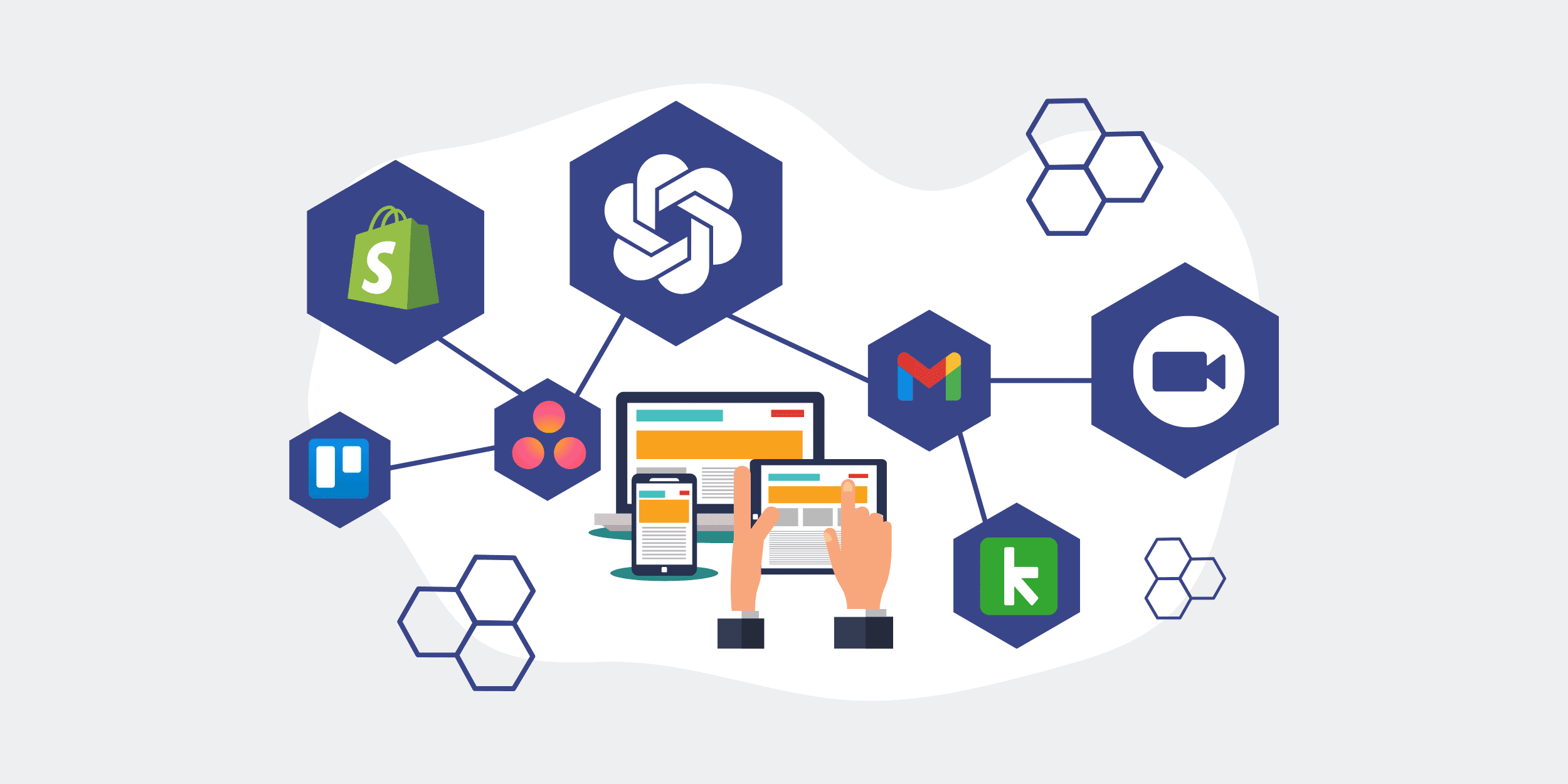
Imagine a world where candidate data automatically flows from application platforms to your CRM, where client contracts are automatically generated and routed for signature, or where operational reports compile themselves in real-time. This isn’t futuristic fantasy; it’s the operational reality we build for our clients using tools like Make.com, Keap, and AI-powered solutions. Our focus is on connecting dozens of SaaS systems, creating a single source of truth that ensures data integrity and accessibility, allowing your high-value employees to perform high-value work.
Real-World Impact: From Manual Mess to Automated Mastery
One HR tech client, for instance, was spending over 150 hours per month on manual resume intake and parsing. By implementing an automated system using Make.com and AI enrichment to sync data directly to their Keap CRM, we helped them reclaim those hours, saving significant operational costs and allowing their recruiters to focus on candidate engagement rather than data entry. This is the tangible impact of intelligent automation: not just saving time, but transforming how businesses operate and scale.
Reclaim Your Day, Reclaim Your Growth
The costs of manual data entry are too high for any growing B2B company to ignore. It’s a drain on your finances, your employees’ potential, and your capacity for innovation. By strategically automating these processes, you unlock a significant competitive advantage: greater accuracy, reduced operational costs, enhanced scalability, and empowered employees free to drive your business forward. It’s about saving you 25% of your day, every day, so you can focus on what truly matters.
If you would like to read more, we recommend this article: The Ultimate Guide to Business Automation for Growth