The Hidden Costs of Manual Data Entry: Why Automation Isn’t Just a Luxury for B2B Scale
In the relentless pursuit of growth, B2B companies with $5M+ ARR often find themselves trapped in a paradox: the more they scale, the more complex their operations become. At the heart of this complexity, and arguably its most insidious drain, lies manual data entry. Far from being a mere administrative chore, manual data entry is a silent killer of efficiency, accuracy, and ultimately, profitability. For business leaders focused on the bottom line, understanding and addressing these hidden costs is not just smart—it’s essential for survival and sustained growth.
Many executives view manual data entry as a necessary evil, a cost of doing business. But this perspective fundamentally misunderstands its true impact. It’s not just the salary of the person inputting data; it’s the cascading effect across departments, the erosion of trust in data, and the squandering of high-value employee time on low-value tasks. We’ve seen firsthand how this seemingly innocuous activity can cripple an organization, turning what should be streamlined processes into bottlenecks.
Beyond the Obvious: Unpacking the Financial Drain
The immediate cost of manual data entry is straightforward: labor. An employee spends hours, days, or even weeks meticulously typing information into various systems—CRM, HRIS, accounting software, project management tools. This time represents a direct payroll expense that could otherwise be allocated to strategic initiatives, client acquisition, or product development. But the financial implications run far deeper.
The Cost of Human Error
Humans, by nature, are prone to error, especially when performing repetitive, monotonous tasks. A single misplaced digit, an incorrect spelling, or an oversight can have profound repercussions. In a sales pipeline, this could mean incorrect contact information leading to lost leads. In HR, it could be a payroll error causing employee dissatisfaction or compliance issues. In operations, inaccurate inventory data could disrupt supply chains or lead to missed delivery deadlines. Rectifying these errors isn’t free; it requires additional employee hours for investigation, correction, and often, damage control. Each correction represents a double cost: the original input time plus the remediation time.
Productivity Loss and Opportunity Cost
Consider your most valuable employees—the ones with specialized skills, strategic insights, and the ability to drive your business forward. Are they spending a significant portion of their day on data entry? If so, you’re not just paying for data entry; you’re paying a premium for highly skilled professionals to perform tasks that don’t leverage their expertise. This is a massive productivity loss. The opportunity cost is even greater: what revenue-generating, problem-solving, or innovation-driving activities are they *not* doing because they’re stuck in the data entry grind?
For B2B companies, especially in HR, recruiting, legal, or business services, the constant flow of client data, candidate profiles, and project specifics makes this a critical issue. High-value employees should be building relationships, closing deals, or strategizing, not copying and pasting.
The Erosion of Data Integrity and Decision-Making
Accurate, reliable data is the lifeblood of modern business. It informs strategic decisions, enables personalized customer experiences, and powers efficient operations. Manual data entry, however, introduces inconsistencies and inaccuracies that erode data integrity. When your CRM doesn’t align with your HRIS, or your project management tool has different client details than your billing system, you lose your “single source of truth.”
This fragmentation leads to a lack of confidence in your data. Leaders hesitate to make bold decisions if the underlying intelligence is suspect. Teams waste time cross-referencing information, leading to delays and missed opportunities. Without clean, unified data, AI initiatives fall flat, and even basic reporting becomes a nightmare. This problem compounds as a company grows, making scalability a pipe dream rather than a tangible goal.
Automation: The Strategic Imperative, Not a Technological Whim
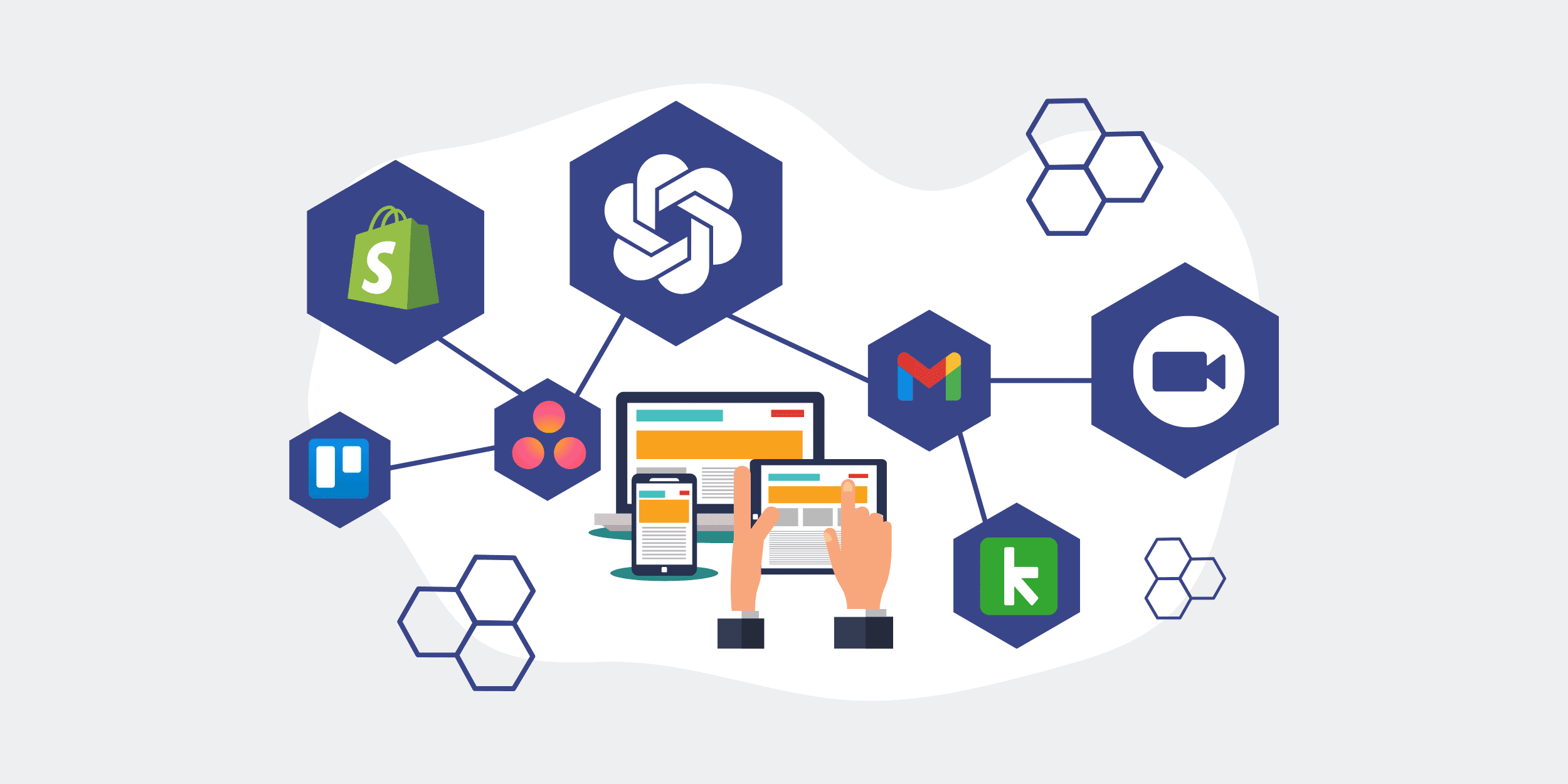
At 4Spot Consulting, we approach automation not as a novelty but as a strategic imperative. The solution to the hidden costs of manual data entry lies in intelligent automation and AI integration. Tools like Make.com, Keap, and Unipile can connect disparate systems, capture data at its source, and transfer it seamlessly across your operational ecosystem, eliminating human touchpoints and the errors they invite.
Our OpsMesh framework is designed to identify these exact pain points. Through an OpsMap™ diagnostic, we audit your existing workflows to uncover where manual data entry is draining resources and creating bottlenecks. We then architect and implement solutions through OpsBuild that automate these processes, ensuring data flows accurately and efficiently. This isn’t just about saving time; it’s about freeing your high-value employees to focus on what truly matters, ensuring data integrity, and building a foundation for scalable, error-free growth.
Imagine an HR department where candidate data automatically flows from an application system to the CRM and onboarding portal, without a single manual input. Or a sales team where client information updates across all platforms in real-time. This isn’t futuristic; it’s achievable today, and it’s what allows businesses to reclaim the 25% of their day lost to inefficiency.
The hidden costs of manual data entry are too significant to ignore. For B2B companies striving for sustained growth and profitability, moving from manual processes to intelligent automation is no longer a luxury—it’s a fundamental requirement for building a resilient, scalable, and data-driven enterprise. It’s about optimizing human potential, reducing operational costs, and securing a competitive edge in an increasingly complex market.
If you would like to read more, we recommend this article: Mastering CRM Automation: From Data Chaos to Revenue Growth