How to Implement a Client Onboarding Automation Workflow: A Step-by-Step Guide
In the competitive B2B landscape, a seamless client onboarding experience isn’t just a nicety—it’s a critical differentiator that sets the tone for your entire client relationship. Manual onboarding processes, however, are notorious for consuming valuable time, introducing human error, and creating bottlenecks that delay client activation and satisfaction. By leveraging automation and AI, businesses can transform this often-cumbersome phase into an efficient, professional, and scalable operation, saving countless hours and ensuring a consistent, positive first impression. This guide will walk you through the essential steps to design and deploy an automated client onboarding workflow that enhances efficiency and elevates your client experience.
Step 1: Define Your Onboarding Process and Goals
Before diving into any tools, a clear understanding of your current onboarding journey is paramount. Begin by meticulously mapping out every single step from contract signing to full client activation. Identify all involved stakeholders, required documents, communication touchpoints, and data entry points. Crucially, define the specific goals of automating this process. Are you aiming to reduce time-to-value, minimize errors, improve client satisfaction scores, free up staff time, or ensure compliance? Articulating these objectives will guide your automation strategy and provide measurable benchmarks for success. This foundational step ensures your automated solution directly addresses existing pain points and delivers tangible business benefits, rather than merely digitizing inefficient processes.
Step 2: Choose Your Automation Tools and CRM
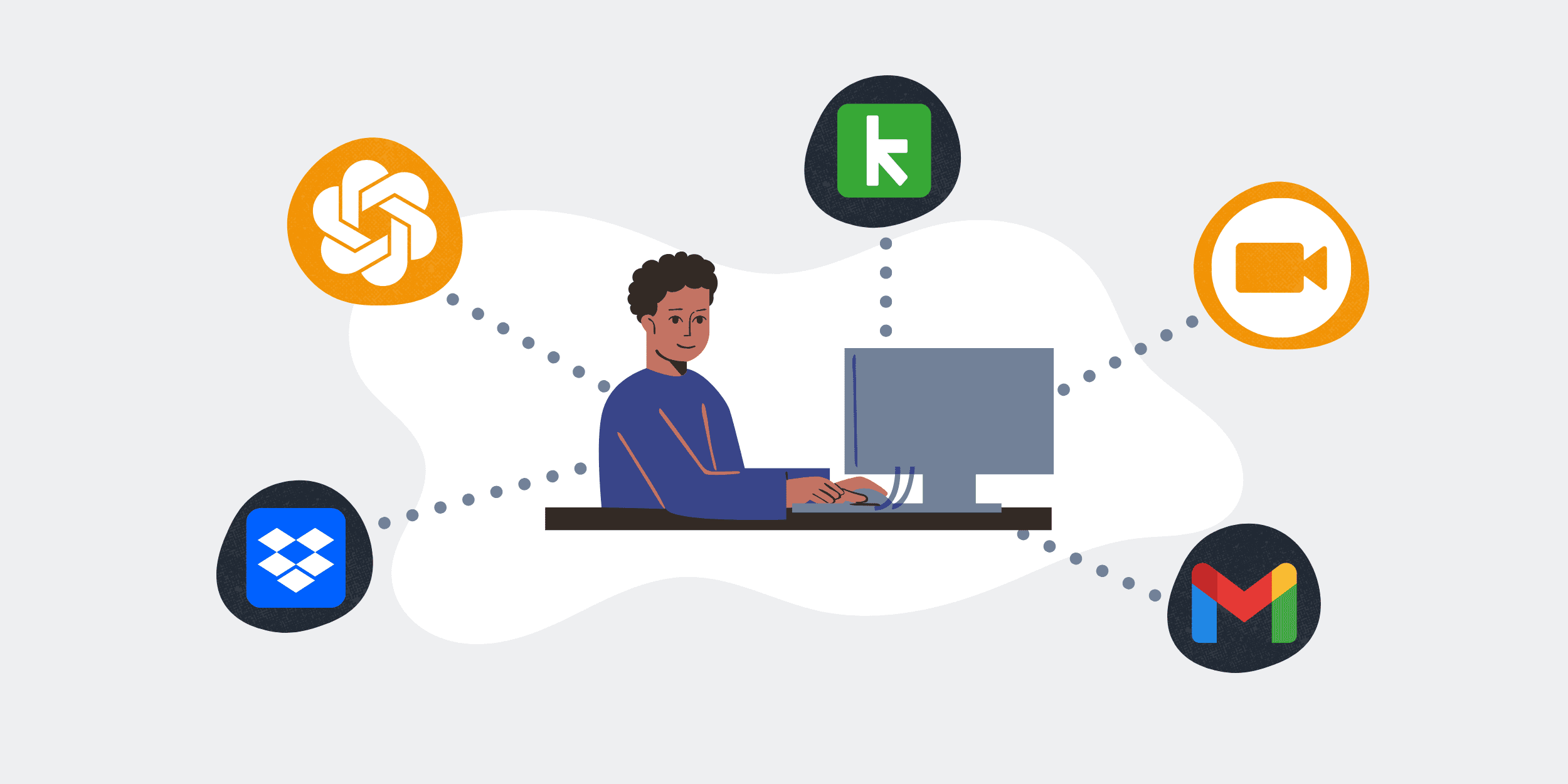
Selecting the right technology stack is pivotal for a robust automation workflow. At the core, you’ll need a powerful integration platform like Make.com (formerly Integromat) or Zapier, alongside your existing Customer Relationship Management (CRM) system such as Keap or HighLevel. These platforms serve as the central nervous system, connecting disparate applications and orchestrating the flow of information. Consider tools for document generation (e.g., PandaDoc), e-signatures (e.g., DocuSign), and communication (e.g., Slack, email services). Ensure your chosen tools offer robust APIs and native integrations, minimizing custom development and maximizing interoperability. A strategic selection here avoids future integration headaches and forms the backbone of a scalable system.
Step 3: Map Out the Workflow Trigger and Initial Actions
Every automation workflow needs a trigger—an event that initiates the entire sequence. For client onboarding, this typically begins with a new contract being signed, a payment received, or a CRM record status update to “Onboarding.” Once triggered, the initial actions can commence automatically. This might involve creating a new client folder in cloud storage (e.g., Google Drive, SharePoint), sending an internal notification to the account manager, or setting up the initial client record within project management software. Clearly define these first critical steps and ensure your automation platform can reliably detect the trigger and execute these immediate, foundational tasks without manual intervention. This ensures a rapid and consistent start to every client’s journey.
Step 4: Automate Document Generation and E-Signatures
A significant time sink in onboarding is often the preparation and circulation of documents. Automate this by dynamically generating welcome kits, service agreements, or project initiation forms using data pulled directly from your CRM or intake forms. Tools like PandaDoc integrate seamlessly with automation platforms to pre-fill documents with client-specific information, eliminating manual data entry errors. Following generation, integrate e-signature solutions to automatically send documents for client signature and track their completion status. Once signed, the automation can store the completed documents in the appropriate client folder and update the CRM, ensuring a secure, legally compliant, and paperless process that drastically cuts down on administrative overhead.
Step 5: Integrate Communication and Task Management
Effective communication and task delegation are vital for a smooth onboarding. Integrate your automation workflow with your preferred communication channels (e.g., automated welcome emails, internal Slack notifications for the sales or support team) to keep everyone informed. Furthermore, automate the creation of tasks in project management tools (e.g., Asana, Trello) for various team members, assigning specific responsibilities like “Schedule Welcome Call” or “Set Up System Access.” This ensures no critical step is missed, responsibilities are clear, and progress is trackable. By standardizing and automating these communications and tasks, you reduce delays, improve internal coordination, and provide a transparent onboarding experience for your new clients.
Step 6: Implement Data Syncing and Reporting
As clients move through the onboarding process, their data often needs to be replicated and updated across multiple systems. Implement automation to ensure seamless data syncing between your CRM, project management tools, billing software, and any other relevant platforms. This minimizes duplicate data entry and maintains a “single source of truth” for client information. Beyond syncing, configure automated reporting to track key onboarding metrics, such as average time to activation, completion rates for specific steps, and client satisfaction scores. This data provides invaluable insights into the efficiency of your workflow, highlighting areas for continuous improvement and demonstrating the tangible ROI of your automation efforts.
Step 7: Test, Refine, and Scale Your Automation
Implementing an automated onboarding workflow is an iterative process. Thorough testing is non-negotiable before going live. Run dummy client scenarios through your entire workflow, meticulously checking every trigger, action, and data transfer for accuracy and completeness. Pay close attention to edge cases and error handling. Gather feedback from both internal teams and early clients to identify areas for refinement. Automation isn’t a “set it and forget it” solution; ongoing monitoring and optimization are key to its long-term success. As your business grows, regularly review and adapt your workflow to accommodate new services, client types, or technological advancements, ensuring it remains efficient and scalable.
If you would like to read more, we recommend this article: Mastering Operational Efficiency with AI and Automation Strategies