Troubleshooting Common Keap Contact Merge Issues and Solutions
In the dynamic world of CRM, maintaining a pristine database is paramount. For businesses relying on Keap, contact management is often the bedrock of their sales and marketing efforts. Yet, a common operational headache that frequently emerges, quietly eroding data integrity and efficiency, is the insidious problem of duplicate contacts and the subsequent challenges in merging them correctly. It’s not merely an inconvenience; it can lead to miscommunication, wasted marketing spend, and a fragmented view of your most valuable asset: your customer.
The core of the issue often lies in varied data entry points. Whether it’s web forms, manual imports, API integrations, or sales team input, inconsistencies are inevitable without a robust, automated strategy. A contact might be entered with slight variations in name, email address, or phone number, creating separate records for the same individual. When Keap’s merge functionality is then invoked, or when manual merges are attempted, the complexity often spirals, particularly if critical data points are scattered across multiple, seemingly identical profiles.
Understanding the Root Causes of Keap Duplication
Before diving into solutions, it’s crucial to understand why duplicates appear in the first place. Many businesses experience this due to a lack of standardization in data capture. Imagine a prospect who fills out a form using “john.doe@example.com,” then later another form using “johndoe@example.com.” Keap, by default, will see these as two distinct email addresses, creating two records. Similarly, name variations (“John Doe” vs. “J. Doe”) or slight differences in company names can slip through default deduplication rules.
Furthermore, integrating Keap with other platforms like lead generation tools, webinar software, or even accounting systems without proper mapping and deduplication logic is a prime culprit. Each new integration point becomes another potential source of data pollution. Over time, this leads to a complex web of contacts, some with partial information, others with outdated details, all contributing to a CRM that is less a single source of truth and more a fragmented mosaic.
Strategic Approaches to Preventing Duplicates Proactively
The most effective strategy against contact merge issues begins with prevention. At 4Spot Consulting, our OpsMesh framework emphasizes building robust systems from the ground up to minimize data inconsistencies. This starts with standardizing all inbound data. Implementing strict validation rules on web forms, such as requiring specific formats for phone numbers and email addresses, is a foundational step. Using unique identifiers beyond just email, like a company ID or a custom external ID field, can also significantly improve matching accuracy.
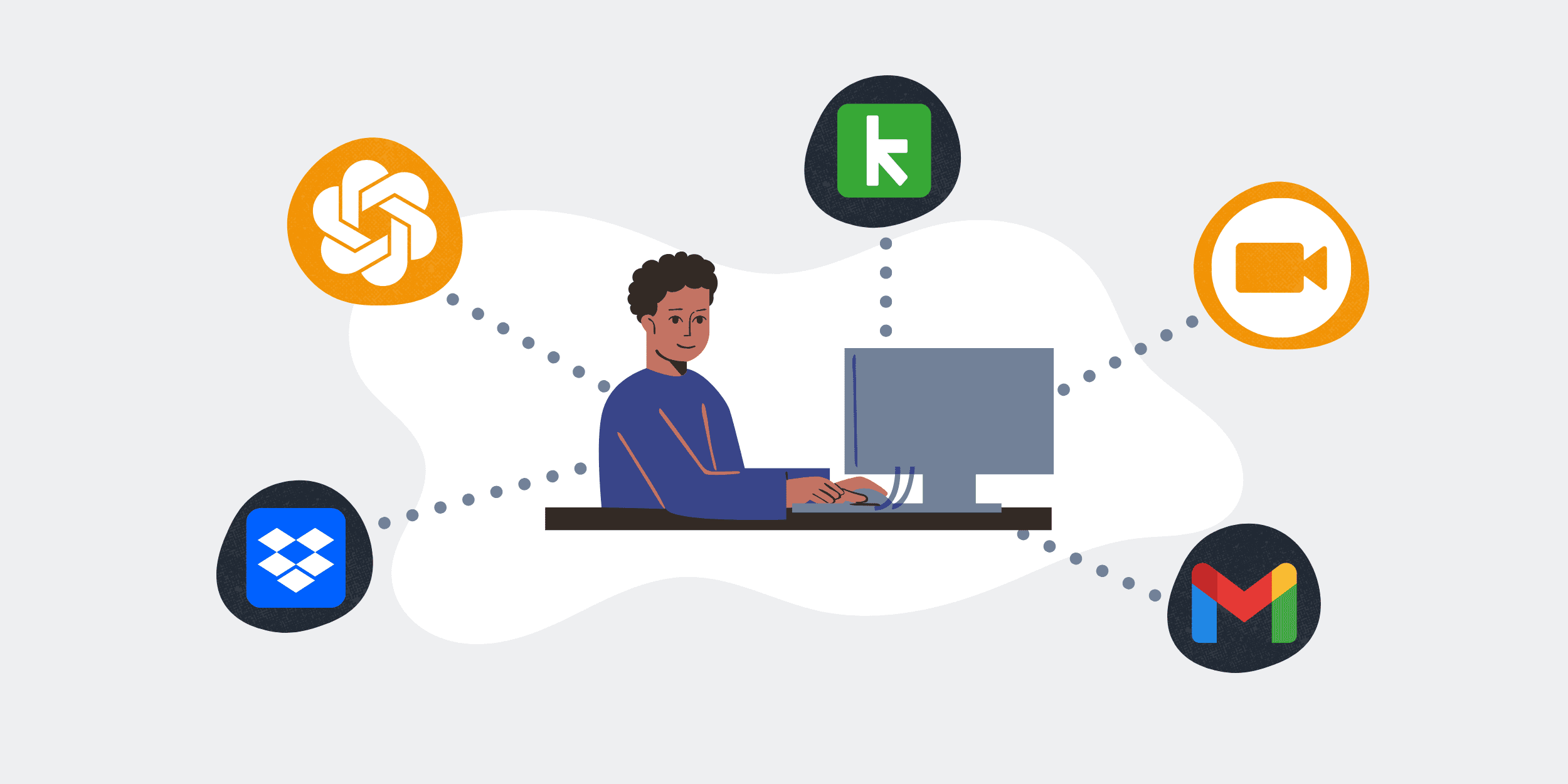
For businesses with multiple data entry points, leveraging automation tools like Make.com to act as an intermediary for all data flowing into Keap is transformative. This allows for a “single source of truth” approach where incoming data is processed through custom deduplication logic before it ever touches Keap. This logic can be far more sophisticated than Keap’s native capabilities, allowing for fuzzy matching of names, cross-referencing phone numbers, and prioritizing which record’s data “wins” in the event of a conflict. This proactive filtering system drastically reduces the number of duplicate records created, saving countless hours in cleanup.
Effective Solutions for Resolving Existing Keap Merge Challenges
For existing duplicates, a systematic approach is necessary. While Keap offers a native merge function, it can be cumbersome for large volumes or complex merges. Often, the challenge isn’t just merging two contacts, but deciding which data points to retain from each record – ensuring you don’t lose valuable history or overwrite crucial information. This is where a strategic approach, often supported by external tools, becomes invaluable.
Consider exporting segments of your Keap database for analysis. Using spreadsheet software or specialized deduplication tools, you can identify patterns in duplicates that Keap might miss. This often involves fuzzy matching algorithms that can spot “John Doe” and “Jon Doe” as the same person. Once identified, a clear set of rules for merging must be established: which record has the most recent activity? Which has the most complete address? Which has the most engagement history? These rules ensure that when contacts are finally merged, the most accurate and comprehensive profile is retained.
Automation can again play a pivotal role here. For example, we’ve helped clients configure Make.com scenarios that automatically identify potential duplicates based on custom criteria (e.g., same first name, last name, and partial phone number, or same domain and last name), flag them for review, and even initiate a merge process under predefined conditions. This not only streamlines the cleanup but also ensures ongoing data hygiene, preventing future accumulation of errors. For HR and recruiting firms, where candidate data integrity is paramount, this level of precision is not just beneficial, it’s critical for compliance and efficiency.
Ultimately, a clean Keap database is not a luxury; it’s a fundamental requirement for effective operations and scalable growth. Overcoming contact merge issues demands a strategic blend of proactive prevention through standardized data entry and smart integrations, coupled with systematic, often automated, solutions for existing data challenges. This ensures your CRM truly serves as a single, reliable source of truth, empowering your team rather than frustrating them with fractured data.
If you would like to read more, we recommend this article: Keap Data Recovery Best Practices: Minimizing Duplicates for HR & Recruiting Firms