Beyond the Hype: Practical AI Applications for Streamlining HR Operations
In today’s competitive landscape, HR departments often find themselves burdened by manual, repetitive tasks that drain resources and divert focus from strategic initiatives. The promise of Artificial Intelligence (AI) has been a constant hum in the business world, yet many HR leaders still struggle to bridge the gap between abstract potential and concrete, ROI-driven solutions. At 4Spot Consulting, we believe AI isn’t just a futuristic concept; it’s a present-day imperative for optimizing human resources and talent acquisition.
The core challenge isn’t a lack of desire for innovation, but often a lack of clear direction. How do you implement AI in a way that truly impacts your bottom line, reduces human error, and empowers your high-value employees to focus on what matters most? Our experience with the OpsMesh framework has shown that strategic integration, not simply adopting the latest shiny tool, is the key to unlocking AI’s transformative power in HR.
Automating the Initial Talent Sieve: From Resumes to Relevant Candidates
Consider the sheer volume of resumes and applications that flood into a growing organization. Manually sifting through each one for specific keywords, experience levels, and cultural fit is not only time-consuming but highly susceptible to human bias and oversight. This is where AI-powered resume parsing and candidate screening become indispensable. Instead of a human spending hours on initial filtering, AI algorithms can rapidly process vast amounts of data, identify key competencies, and rank candidates based on predefined criteria. This doesn’t replace the human element of interviewing or final decision-making; rather, it elevates the quality of candidates reaching that stage, ensuring HR professionals engage with genuinely promising prospects.
For instance, an HR firm we assisted was drowning in over 500 resumes weekly. By implementing an AI-driven intake and parsing system connected via Make.com to their Keap CRM, we helped them automate the initial screening process. The system identified top candidates, extracted relevant data, and even initiated initial qualification questions, saving over 150 hours per month. This allowed their recruiters to shift from administrative drudgery to engaging with high-potential talent, directly impacting their time-to-hire and quality of hire metrics.
Enhancing Candidate Experience and Engagement with Intelligent Communications
The candidate experience profoundly influences a company’s employer brand. Delays in communication, generic responses, or a convoluted application process can deter top talent. AI can significantly enhance this experience through intelligent automation. Chatbots, for example, can provide instant answers to frequently asked questions about job descriptions, company culture, or application status, available 24/7. This immediate feedback loop reduces candidate frustration and frees up HR staff from repetitive inquiries.
Beyond simple FAQs, AI can personalize communication at scale. Imagine an AI system that, after a candidate submits their application, automatically sends a tailored follow-up email based on their expressed interests and the role they applied for, or even schedules an initial phone screening based on mutual availability. This proactive, personalized engagement makes candidates feel valued and keeps them informed throughout the hiring journey, reducing drop-off rates and strengthening the employer-candidate relationship even before the first interview.
Data-Driven Insights for Smarter Workforce Planning
One of AI’s most powerful applications in HR lies in its ability to analyze vast datasets to uncover patterns and predict future trends. By integrating HR data from various systems – payroll, performance reviews, time tracking, and applicant tracking systems – AI can provide deep insights into workforce dynamics. This includes predicting attrition risks, identifying skill gaps within the organization, and even forecasting future hiring needs based on business growth projections.
For COOs and HR Directors, this capability transforms reactive HR into a proactive, strategic function. Instead of scrambling to fill unexpected vacancies or realizing a skill shortage too late, AI-powered analytics enable informed decision-making. This data-driven approach to workforce planning helps optimize resource allocation, enhance talent development programs, and ensure the organization is always equipped with the right skills at the right time. It’s about building a resilient, adaptable workforce that can navigate future challenges effectively.
The Path Forward: Strategic AI Integration, Not Just Adoption
Implementing AI in HR isn’t about replacing humans; it’s about augmenting human capabilities, eliminating low-value work, and allowing high-value employees to perform at their peak. The journey begins with a strategic audit, much like our OpsMap™, to identify precise pain points and automation opportunities. Simply bolting on an AI tool without understanding its integration into your existing systems and workflows will likely lead to frustration and limited ROI.
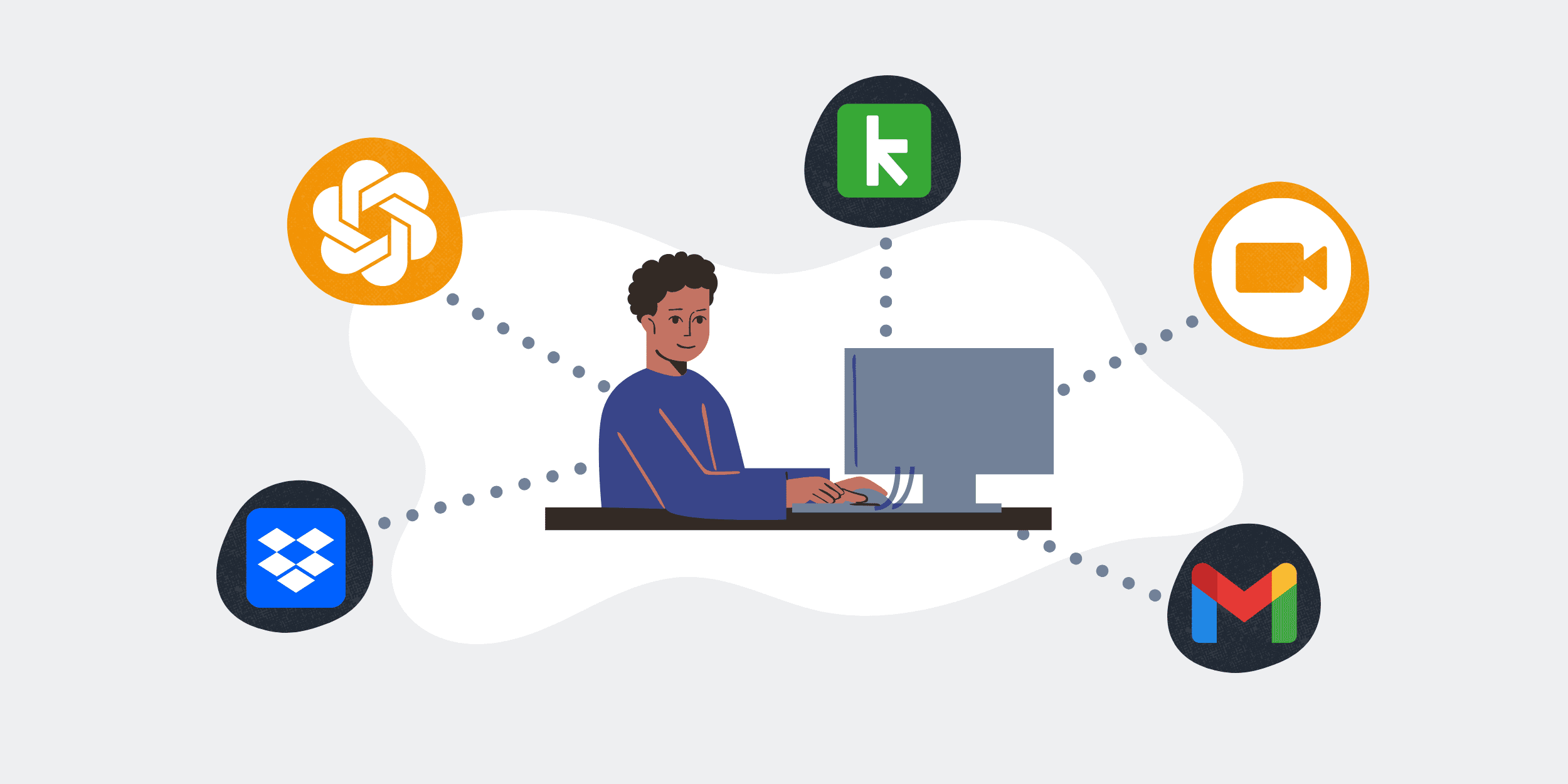
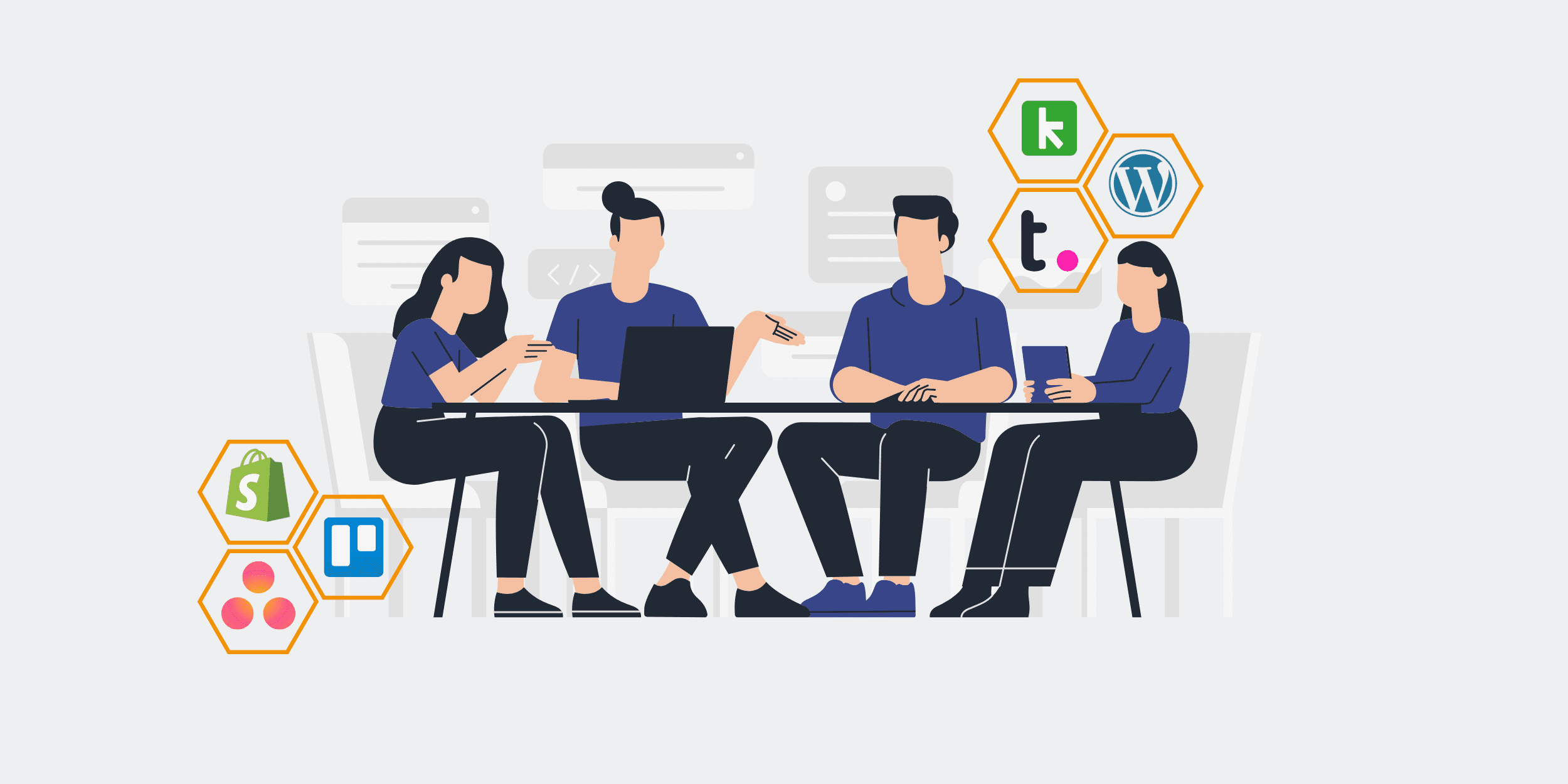
Our approach ensures that AI solutions are purpose-built to address your specific operational bottlenecks, connecting disparate systems like Keap, Make.com, and other HR tech platforms into a cohesive OpsMesh. This holistic strategy guarantees that every AI implementation contributes directly to reducing costs, eliminating errors, and scaling your operations. The goal is clear: save you 25% of your day, giving you back time and resources to focus on growth and innovation, rather than being bogged down by the mundane.
If you would like to read more, we recommend this article: The Comprehensive Guide to HR and Recruiting Automation