
Post: How to Promote Your Vape Shop Online: A Complete SEO-First Strategy for 2026
Google and major social platforms ban e-cigarette advertising, which means vape shops cannot rely on paid traffic. The path forward is an SEO-first strategy: build authoritative content, target long-tail keywords, earn backlinks through community channels, and use local search to capture nearby buyers ready to purchase.
Why Paid Advertising Is Closed to Vape Shops
Google, Facebook, Instagram, and TikTok classify e-cigarettes alongside tobacco products. That classification triggers a blanket ban on paid promotion — no search ads, no boosted posts, no display retargeting. The businesses that grow in this space do so through organic channels, and the ones that do it well build durable traffic that paid advertisers cannot buy away from them.
This guide walks through each step of a proven organic promotion strategy for vape shops — from technical SEO fundamentals to local search dominance to community-driven link building.
Step 1: Audit Your Website Before You Create a Single Piece of Content
Content written on a technically broken website ranks poorly regardless of quality. Before publishing anything new, run a full site audit to identify and fix:
- Page speed issues — Google’s Core Web Vitals directly influence rankings. A site that loads in under 2.5 seconds outperforms one that loads in 4 seconds for the same keyword.
- Mobile usability — The majority of vape-related searches happen on mobile devices. Pages that break on small screens lose both rankings and conversions.
- Crawl errors — Broken internal links, missing sitemaps, and blocked resources prevent Google from indexing your content accurately.
- Thin or duplicate content — Product pages that share boilerplate descriptions from manufacturers are penalized. Rewrite every product description in your own voice with genuine detail.
Free tools like Google Search Console and PageSpeed Insights handle the basics. Screaming Frog or Ahrefs Webmaster Tools surface deeper crawl issues. Fix technical problems first — then move to content.
Expert Take
Vape shop owners frequently skip the audit phase and jump straight to blogging. The result is well-written content sitting on a slow, poorly structured site that Google cannot fully crawl. A one-day technical audit eliminates the structural drag that kills organic growth before it starts. Fix the foundation first, then build on top of it.
Step 2: Build a Keyword Strategy Around Long-Tail Phrases
A new vape shop website has little domain authority. Targeting broad keyword phrases like “best e-liquid” or “vape shop” puts you in direct competition with established retailers and review sites that have years of backlinks. That competition is unwinnable at the start.
The alternative is a long-tail keyword strategy. Long-tail phrases are longer, more specific, and searched less frequently — but they convert at higher rates because the searcher knows exactly what they want. Examples:
- “salt nic vs freebase nic for pod systems”
- “best coil for [specific device model]”
- “how to prime a new coil without burning it”
- “[city name] vape shop open Sunday”
- “[specific e-liquid brand] flavor review”
Use tools like Google’s “People Also Ask” boxes, AnswerThePublic, or Ahrefs Keywords Explorer to identify the questions your target customers are already asking. Build your content calendar around those questions before anything else.
Step 3: Create Expert Content That Earns Rankings
Google’s Helpful Content system rewards pages that demonstrate first-hand expertise. For a vape shop, that means writing content only someone who works with these products daily could produce — not content that could be generated from a quick Wikipedia search.
Content types that perform well in the vaping niche:
- Device reviews with original photography — Reviewing a device you actually sell, with photos you took in your shop, signals authenticity that generic review content cannot match.
- Troubleshooting guides — “Why does my vape taste burnt?” is one of the most searched questions in the category. A thorough, accurate answer builds trust and captures ongoing search volume.
- Comparison articles — Side-by-side comparisons of two popular devices or e-liquid lines serve buyers who are close to a purchase decision.
- Beginner guides — New vapers generate enormous search volume. A definitive beginner’s guide builds authority and captures customers early in their product journey.
- Flavor profiles and tasting notes — Detailed flavor descriptions indexed on your site create a searchable catalog that competitors with thin product pages cannot replicate quickly.
Every article should be comprehensive. If the average article covering a topic is 800 words, write 1,800 words and cover every angle a reader would want addressed. Depth signals expertise to both readers and search engines.
Step 4: Optimize Every Page for Local Search
Vape shops that operate physical locations have a significant local SEO opportunity. Buyers searching “vape shop near me” or “vape store [city]” have purchase intent — they are ready to walk in the door or place a local delivery order.
Local SEO requires:
- A fully built Google Business Profile — Complete every field: hours, address, phone, website, product categories, photos of the interior, and a detailed business description using your target keywords naturally.
- Consistent NAP data — Your name, address, and phone number must be identical across your website, Google Business Profile, Yelp, and every other directory listing. Inconsistencies suppress local rankings.
- Customer reviews — Ask every satisfied in-store customer to leave a Google review. The volume and recency of reviews directly influence local pack rankings.
- Location pages — If you operate multiple locations, each location needs its own dedicated page with unique content, a local phone number, and an embedded Google Map.
- Local schema markup — Add LocalBusiness schema to your site’s code to help Google understand your location, hours, and contact information without ambiguity.
Step 5: Build Backlinks Through Community and Niche Channels
Domain authority grows through backlinks — other websites linking to yours. The vaping niche has limited opportunities to earn links from mainstream publications, which makes niche-specific channels essential.
Tactics that generate real backlinks for vape shops:
- Vaping forums and communities — Reddit’s r/electronic_cigarette and dedicated vaping forums allow shop owners to participate as knowledgeable community members. Genuine contributions — answering questions, sharing research — build reputation and occasionally generate direct links.
- Guest content on vaping blogs — Identify mid-authority vaping blogs that accept contributor pieces. A well-researched article on device maintenance or e-liquid safety earns a link back to your site from a topically relevant source.
- Local business directories — Regional business directories, chamber of commerce listings, and local news features all generate backlinks that boost local authority.
- E-liquid brand partnerships — Brands whose products you carry sometimes link to authorized retailers from their websites. Contact brands directly and ask to be listed.
- Vaping advocacy organizations — Industry organizations often maintain resource pages or retailer directories. Membership or participation can generate high-authority links.
Step 6: Use Email Marketing to Retain and Reactivate Customers
Email is one channel vape shops can use without platform restrictions. Every customer who buys from your site or visits your store is a candidate for an email list. Build that list actively and use it systematically.
Email sequences that generate repeat revenue for vape shops:
- New customer welcome sequence — Three to five emails over two weeks introducing your brand, best-selling products, and expert content from your blog.
- Restock reminders — E-liquid and coils run out on predictable schedules. Automated restock reminders sent 2–3 weeks after purchase bring customers back before they shop elsewhere.
- New product announcements — Subscribers who opted in want to hear about new arrivals before they see them elsewhere.
- Educational content drops — Sending a monthly “guide” or “how-to” keeps your list engaged between purchase cycles and reinforces your authority as a trusted source.
Email marketing platforms like Klaviyo and Mailchimp support e-commerce integrations that trigger these sequences automatically based on purchase behavior. Automating the sequences means they run consistently without manual effort.
Expert Take
Vape shops that rely entirely on walk-in traffic are one lease renewal away from starting over. Email lists are owned assets — no algorithm change or platform ban touches them. A list of 2,000 engaged subscribers who trust your recommendations is worth more than 50,000 social media followers on a platform that can restrict your account without notice.
Step 7: Leverage YouTube and Video Content Within Platform Rules
YouTube permits e-cigarette content under its age-restriction policies, which makes it one of the few large platforms where vape shops can build a following through video. YouTube is also the world’s second-largest search engine — content that ranks on YouTube surfaces in Google search results for the same queries.
Video content formats that perform in the vaping category:
- Device unboxings and first impressions
- Coil building tutorials (for rebuildable users)
- E-liquid tasting and flavor comparison videos
- Beginner setup walkthroughs
- “Ask the shop” Q&A videos answering common customer questions
Each video should link back to a relevant page on your website in the description. A video titled “How to Set Up the [Device Name] for Beginners” should link to your product page for that device and to any related blog content. This cross-links your video authority back to your domain.
Step 8: Automate Repetitive Marketing Tasks So You Can Focus on Content
Consistent content publication, email sequences, and social posting are time-intensive when done manually. Shops that automate the repetitive tasks in their marketing operations free up hours each week that compound into meaningful content output over time.
Automation tools like Make.com handle workflow automation at a fraction of the cost of hiring additional staff — scheduling social posts, routing new customer data into email sequences, triggering restock reminders from purchase events, and syncing product catalog updates across platforms. Understanding an automation-first approach before layering in AI assistance helps shops build systems that actually stick.
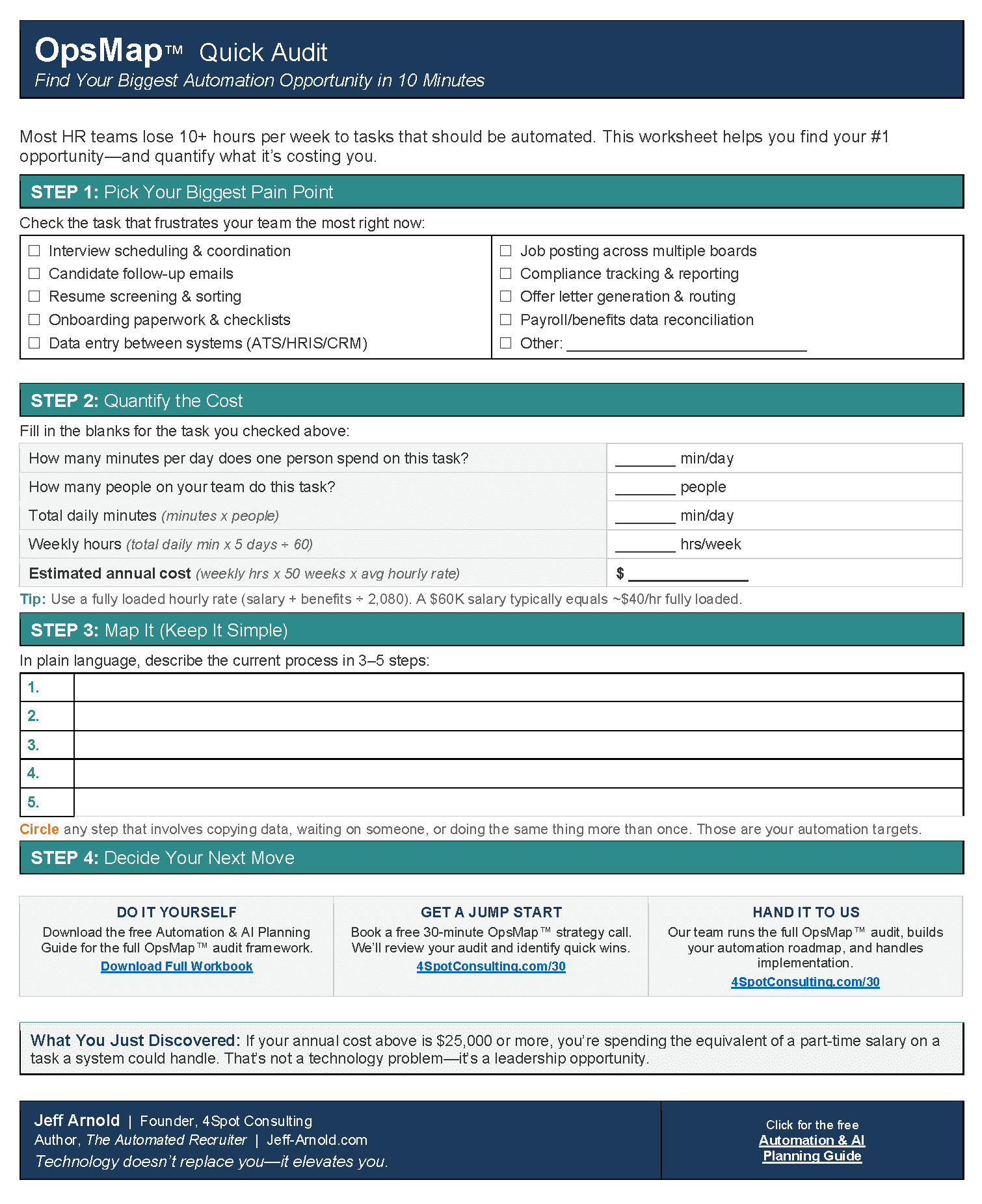
If you want to understand how these systems are scoped and built before committing to them, reading about running an OpsMap™ audit before automating gives you the structured process for identifying exactly which tasks to automate first.
How to Know It Worked
Organic growth is slower than paid advertising, but the signals are measurable and consistent. Watch for these indicators:
- Organic sessions in Google Analytics — Monthly organic sessions should trend upward over a 90-day window. A flat line means content is not ranking. A declining line means a technical problem needs diagnosis.
- Google Search Console impressions and clicks — Impressions growing faster than clicks indicates rankings improving but click-through rates needing work. Titles and meta descriptions may need revision.
- Keyword position tracking — Track 20–30 target keywords using a tool like Ahrefs or Semrush. Positions moving from page 3 to page 1 within 90 days confirm that the strategy is working.
- Google Business Profile views — Local search impressions growing month over month confirm local SEO efforts are compounding.
- Email list growth and open rates — A growing list with stable open rates above 25% signals that your content is valuable enough to keep subscribers engaged.
- Inbound link growth — Monthly backlink reports from Ahrefs Webmaster Tools should show new referring domains over time as content earns links organically.
Common Mistakes Vape Shops Make With Online Promotion
- Attempting paid ads and getting accounts suspended — Running vape ads on platforms that prohibit them gets accounts permanently banned. The suspension damages future advertiser accounts associated with the same business identity.
- Publishing thin content at high volume — Thirty shallow 300-word articles rank worse than three comprehensive 2,000-word guides. Quality outranks quantity in Google’s current ranking environment.
- Ignoring Google Business Profile — Shops with incomplete or unverified profiles are invisible in local pack results. This is the single highest-ROI action for physical locations and it costs nothing.
- Treating SEO as a one-time project — SEO is an ongoing process. Competitors publish new content, earn new links, and update existing pages continuously. A shop that publishes 10 articles and stops loses ground to shops that publish consistently.
- Skipping keyword research — Writing content based on intuition rather than search data produces articles nobody searches for. Every piece of content should target a phrase with documented search volume before a word is written.
- Not collecting customer emails at the point of sale — Every in-store transaction is an opportunity to add a customer to an owned marketing channel. Shops that skip this step leave their most valuable audience inaccessible.
Frequently Asked Questions
Can vape shops advertise on Google at all?
No. Google’s advertising policies prohibit ads for e-cigarettes, vaping devices, and e-liquids regardless of how the product is described in the ad copy. Accounts that run these ads are suspended. The only Google-based growth channel available to vape shops is organic search through SEO.
How long does SEO take to produce results for a vape shop?
A new domain with no existing authority typically sees measurable ranking movement in 3–6 months for long-tail keywords. Ranking for competitive broad terms takes 12–24 months of consistent content publication and link building. Local SEO results often appear faster — a fully optimized Google Business Profile can produce local pack visibility within 30–60 days.
Is YouTube a viable channel for vape shops?
Yes. YouTube allows e-cigarette content under its age-restriction enforcement system. Channels that publish consistent, high-quality review and tutorial content build audiences that translate directly into customers. YouTube videos also rank in Google search results, extending the reach of every piece of video content published.
What is the most important SEO action for a vape shop with a physical location?
Claiming and fully optimizing a Google Business Profile is the single highest-impact action for a physical vape shop. A complete profile with accurate hours, photos, product categories, and a steady stream of customer reviews drives local pack rankings and sends purchase-ready customers directly to the store.
Can social media be used to promote a vape shop?
Organic social media posts — not paid ads — are permitted on most platforms, with platform-specific restrictions. Instagram and TikTok prohibit vape-related paid promotion but allow organic posts. YouTube permits age-gated content. Building an engaged following through organic content is possible, though reach without paid amplification is limited. Email marketing produces more reliable ROI for most vape shops than social media organic reach.
Additional Reading
- What Is Automation-First? Why You Should Automate Before You Add AI
- How to Run an OpsMap Audit Before Automating Anything
- Make vs Zapier: A Straight Pricing and Feature Breakdown for 2026
- DIY Automation vs. Hiring a Make Partner in 2026: When to Do Each
- 7 Questions to Ask Before You Automate Anything (The OpsMap Checklist)
- 10 Automations That Are Finally Easy to Build With Make + AI — No Developer Needed
- What Is OpsMesh? The Framework That Structures Every 4Spot Engagement
- OpsMap vs. Skipping Discovery: What Happens When You Automate Without a Map

RELATED POST