Unlocking Agility: How Automated Data Management Transforms Business Operations
In today’s fast-paced business landscape, the adage “time is money” has never been more relevant. Yet, many organizations find themselves trapped in a labyrinth of manual data entry, disconnected systems, and redundant processes. This isn’t just a minor inconvenience; it’s a significant impediment to growth, scalability, and even the ability to make timely, informed decisions. At 4Spot Consulting, we’ve witnessed firsthand how a strategic approach to automated data management can liberate businesses from these operational shackles, saving them not just hours, but often 25% or more of their entire operational day.
The Hidden Drag of Disjointed Data
Consider the typical journey of data within a growing B2B company. Information often starts in one system—perhaps a CRM like Keap or HighLevel, then moves to an HR platform, an accounting package, or a project management tool. Each transfer, especially when manual, introduces points of failure. Human error becomes inevitable, leading to inconsistencies, duplications, and outdated records. This isn’t just about data integrity; it’s about the tangible cost of rework, missed opportunities, and the sheer inefficiency that drains valuable employee time.
The consequences extend far beyond data quality. Imagine a recruitment firm manually entering candidate information from various sources into their CRM. Or a legal service provider attempting to reconcile client data across disparate case management and billing systems. These manual interventions create bottlenecks, slow down crucial processes, and prevent a holistic view of operations. Decision-makers are left guessing, relying on incomplete or lagging data, which can lead to misdirected strategies and lost revenue. This fragmented landscape also makes it incredibly difficult to achieve a “single source of truth,” a critical foundation for any scalable business.
Beyond Basic Storage: The Power of Integration
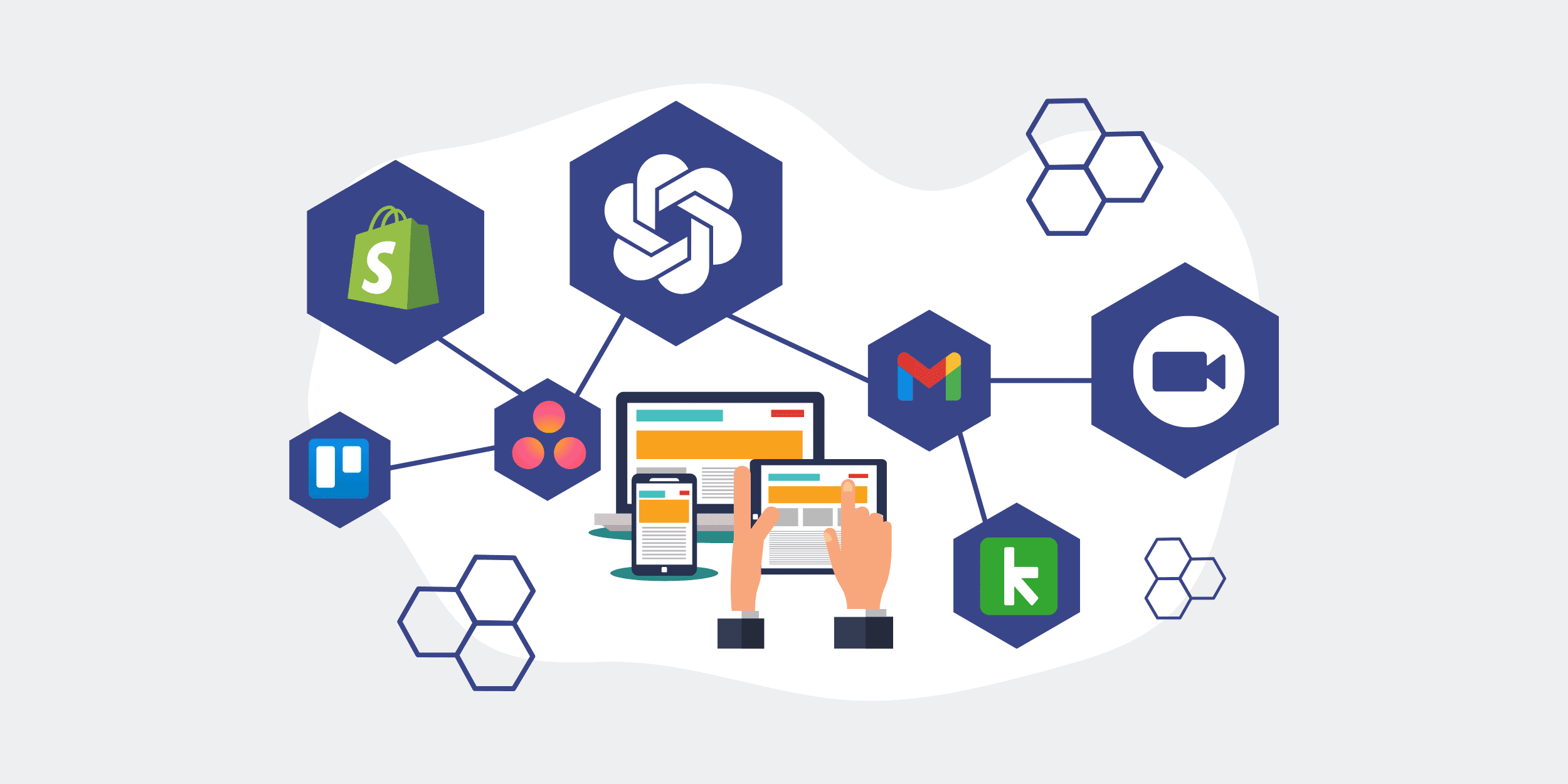
Automated data management isn’t merely about digital storage; it’s about intelligent integration. It’s the strategic orchestration of information flow between all your critical business systems, ensuring that data is captured once, validated, and then seamlessly propagated to wherever it’s needed. Think of it as building a sophisticated central nervous system for your business operations. When your CRM speaks directly to your HR system, and your HR system informs your accounting, the entire organization benefits from real-time, accurate insights. This level of interconnectedness eliminates the need for manual reconciliation, freeing up your team to focus on higher-value activities that drive innovation and client satisfaction.
Our work at 4Spot Consulting often involves leveraging powerful integration platforms like Make.com to connect dozens of SaaS systems. This isn’t just about “making things talk”; it’s about designing intelligent workflows that automate the most repetitive and error-prone tasks. From automating resume intake and parsing in HR to ensuring your CRM data is regularly backed up and synchronized, the goal is always to create a resilient, efficient, and error-free operational environment. This proactive approach ensures that your data isn’t just sitting there; it’s actively working for you.
From Reactive to Proactive: Leveraging Data for Strategic Advantage
When your data management is automated and integrated, your business shifts from a reactive stance to a proactive one. Instead of constantly putting out fires caused by data discrepancies, leaders gain immediate access to reliable, real-time metrics. This empowers them to identify trends, predict challenges, and seize opportunities with confidence. For example, a clearer view of sales pipeline data combined with historical hiring metrics can inform more accurate workforce planning. Or, understanding customer engagement patterns across multiple touchpoints can lead to more personalized and effective marketing campaigns.
The ability to analyze data holistically opens doors to unprecedented strategic advantage. Companies can optimize resource allocation, identify underserved market segments, and even anticipate customer needs before they arise. This transformation from guesswork to data-driven insight is fundamental to sustained growth and competitive differentiation. It’s about leveraging every piece of information your business collects to foster continuous improvement and innovation, turning raw data into actionable intelligence.
Empowering Your High-Value Employees
Perhaps one of the most significant benefits of automated data management is its impact on your most valuable asset: your employees. High-performing individuals are often bogged down by tedious, low-value administrative tasks. The average employee spends hours each week on data entry, searching for information, or correcting errors. By automating these processes, businesses reclaim countless hours, allowing their high-value employees to dedicate their expertise to strategic thinking, creative problem-solving, and direct client engagement. This not only boosts productivity but also significantly improves job satisfaction and retention.
Imagine your recruiters spending less time manually inputting candidate details and more time building relationships. Or your operations team moving from data reconciliation to process optimization. This is the promise of strategic automation: a workforce that is engaged, efficient, and focused on tasks that truly move the needle for your organization. It’s about ensuring your talent is applied where it matters most, maximizing their impact and contribution to the company’s success.
The 4Spot Consulting Approach: Crafting Your Data Automation Ecosystem
At 4Spot Consulting, our OpsMesh™ framework guides our clients through building a truly integrated and automated data ecosystem. It starts with an OpsMap™ diagnostic—a strategic audit to uncover all the inefficiencies and manual bottlenecks within your existing data flows. We don’t just recommend technology; we pinpoint the exact opportunities where automation and AI can deliver the most significant ROI. From there, our OpsBuild™ phase implements bespoke automation solutions, often connecting systems like Keap, PandaDoc, Unipile, and more, creating seamless data bridges. Finally, OpsCare™ ensures ongoing optimization and support, adapting your infrastructure as your business evolves.
Our commitment is to eliminate human error, reduce operational costs, and significantly increase your scalability by ensuring your data works as hard as your team does. We’ve seen clients achieve production increases of over 240% and save more than $1 million annually by adopting a strategic, automation-first approach to data management. It’s not just about saving time; it’s about building a foundation for future success and giving your business the agility it needs to thrive.
Ready to uncover automation opportunities that could save you 25% of your day? Book your OpsMap™ call today.
If you would like to read more, we recommend this article: The Hidden Costs of Manual Data Entry: Why Your Business Needs Automation Now