The Silent Drain: Reclaiming Productivity by Automating Business Communications
In the relentless pursuit of growth, B2B companies often focus on grand strategies and innovative products. Yet, a silent drain often siphons away valuable time and resources, eroding efficiency from within: unoptimized business communications. We’re not talking about simply sending emails faster; we’re discussing the complex web of internal and external messages, approvals, data transfers, and notifications that, when left unaddressed, can consume up to 25% of your team’s day. At 4Spot Consulting, we’ve seen firsthand how automating these seemingly small interactions can unlock immense productivity and fuel scalability.
Consider the daily deluge. An HR leader sifts through countless candidate emails, manually updating CRM records. A sales manager chases down approval signatures across multiple departments. A project coordinator painstakingly aggregates client feedback from disparate channels. Each instance, on its own, seems manageable. Collectively, they represent a significant bottleneck, contributing to human error, missed deadlines, and a profound sense of operational drag. These are high-value employees performing low-value work, an equation that no thriving business can sustain indefinitely.
The Hidden Costs of Manual Communication Workflows
The immediate costs of manual communication are obvious: the salaries paid for time spent on administrative tasks. But the deeper, more insidious costs are often overlooked. There’s the lost opportunity cost – what else could your high-value employees be doing if they weren’t buried in their inboxes or chasing data? There’s the increased risk of human error, leading to compliance issues, customer dissatisfaction, or incorrect data. Furthermore, manual communication workflows inherently limit scalability. As your business grows, these bottlenecks multiply, quickly becoming insurmountable barriers to efficient expansion.
Imagine the cumulative effect of a recruitment team manually moving candidate data from an ATS to a CRM, then sending personalized follow-ups, and finally scheduling interviews – all through separate, disconnected platforms. Each hand-off is a potential point of failure, a moment of delay, and an unnecessary expenditure of skilled labor. This is precisely where automation steps in, not to replace human interaction, but to elevate it by streamlining the repetitive, mundane tasks that precede or follow it.
From Chaos to Cohesion: The Power of Strategic Automation
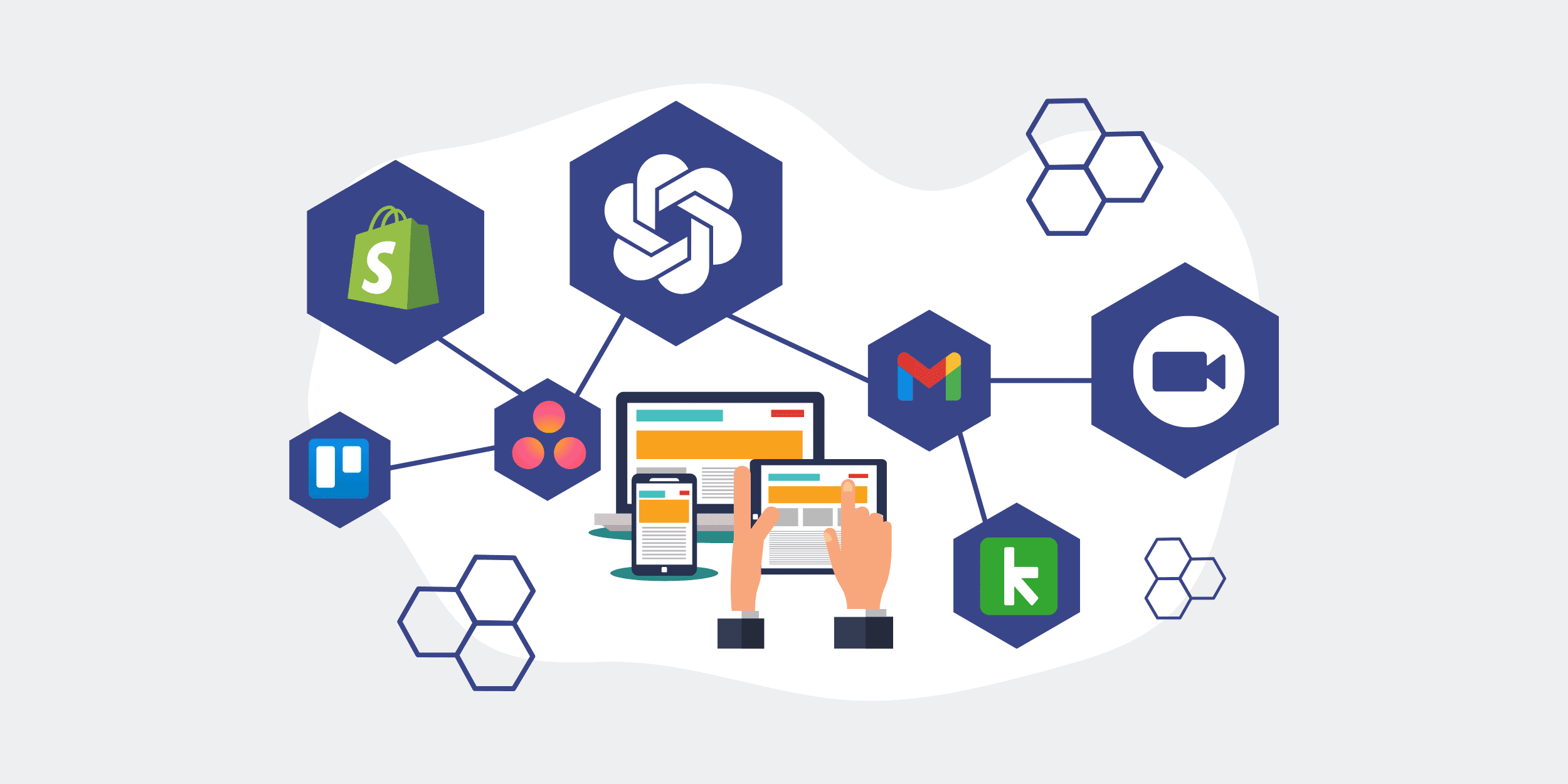
Our approach at 4Spot Consulting doesn’t just bolt on a piece of software; we implement a strategic framework we call OpsMesh. It’s an overarching strategy designed to weave together your existing systems – CRM (like Keap or HighLevel), HR platforms, document management, and communication tools – into a cohesive, automated ecosystem. We begin with an OpsMap, a meticulous strategic audit that uncovers these hidden inefficiencies, pinpointing exactly where manual communication drains productivity and where automation can deliver the most significant ROI.
For example, we helped an HR tech client save over 150 hours per month by automating their resume intake and parsing process using Make.com and AI enrichment, then syncing to Keap CRM. This wasn’t about eliminating human recruiters; it was about empowering them to focus on high-touch candidate engagement and strategic talent acquisition, rather than data entry. “We went from drowning in manual work to having a system that just works,” they reported, a testament to the transformative power of a well-executed automation strategy.
With tools like Make.com, we can orchestrate complex workflows that connect dozens of SaaS systems, ensuring that when an email is received, a document is signed, or a form is submitted, the right data moves to the right place, triggering the next necessary action automatically. This could be anything from automated client onboarding sequences triggered by a signed proposal in PandaDoc, to internal notifications and task assignments based on customer support interactions, or even intelligent routing of inquiries based on AI analysis of email content using Bland AI.
The Future is Automated: A Strategic Advantage
The competitive landscape demands not just efficiency, but intelligence. AI integration, particularly in managing and responding to communications, is no longer a luxury but a necessity for forward-thinking B2B companies. Imagine AI models summarizing lengthy email threads, drafting initial responses, or categorizing incoming messages with unparalleled accuracy. This isn’t science fiction; it’s the operational reality we help our clients build.
Our OpsBuild phase focuses on the meticulous implementation of these AI and automation systems, customized to your unique business logic. But we don’t stop there. OpsCare provides ongoing support, optimization, and iteration, ensuring your automation infrastructure evolves with your business. This hands-on leadership and continuous improvement mean you’re not left alone after implementation; we’re your strategic partner in ongoing operational excellence.
The time has come to stop accepting the silent drain of manual communication as an unavoidable cost of doing business. By strategically automating these workflows, you not only reclaim valuable time and reduce operational costs but also empower your high-value employees to focus on innovation, strategic growth, and delivering exceptional client experiences. This isn’t just about saving time; it’s about building a more resilient, scalable, and profitable enterprise.
If you would like to read more, we recommend this article: The Ultimate Guide to Operational Automation