6 Ways AI and Automation Are Revolutionizing Recruitment for High-Growth Businesses
The landscape of talent acquisition is evolving at a breakneck pace, and for high-growth B2B companies, keeping up isn’t just a challenge—it’s an imperative for survival and sustained success. Traditional recruiting methods, heavily reliant on manual processes and human intuition alone, are buckling under the pressure of increasing demand, diverse talent pools, and the need for speed. The reality for many HR and recruiting leaders is a constant struggle with high-volume tasks, inconsistent candidate experiences, and a costly, drawn-out time-to-hire. This isn’t just inefficient; it’s a direct drag on your company’s ability to scale and innovate. At 4Spot Consulting, we’ve seen firsthand how these bottlenecks hinder growth and divert valuable human capital from strategic initiatives.
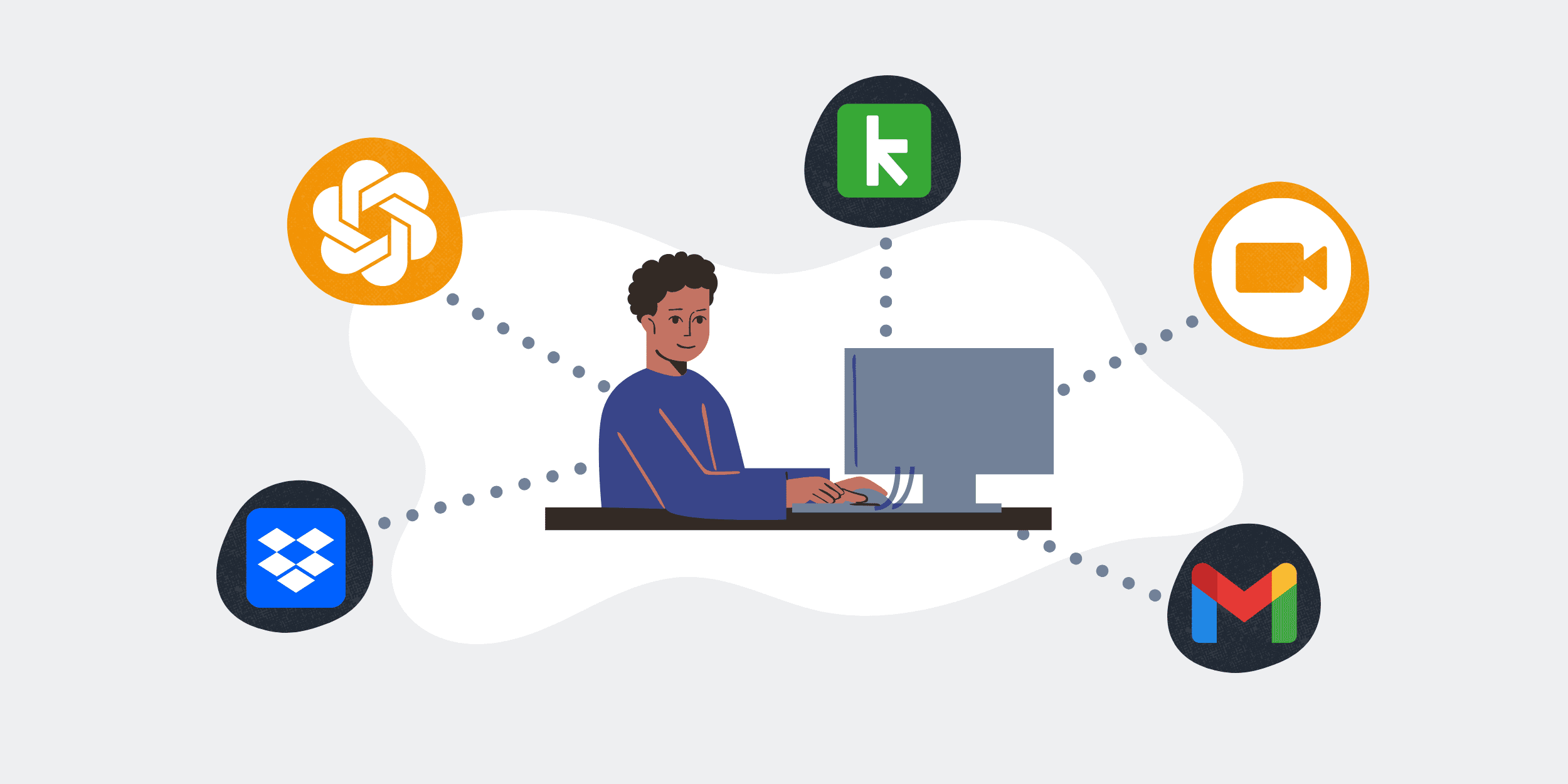
We understand that business leaders value outcomes, not just technology. The integration of Artificial Intelligence (AI) and intelligent automation isn’t about replacing the human element in recruiting; it’s about amplifying it, allowing your team to focus on what they do best: building relationships, strategic planning, and making critical hiring decisions. By offloading the repetitive, low-value tasks, AI and automation free up recruiters to engage deeply with top-tier candidates, elevate the employer brand, and contribute directly to the company’s bottom line. This isn’t theoretical; it’s a proven approach we implement to help clients save 25% of their day and achieve unprecedented efficiency. Let’s explore six practical ways AI and automation are transforming recruitment for forward-thinking organizations.
1. Intelligent Candidate Sourcing and Matching
One of the most time-consuming aspects of recruiting is identifying and engaging with qualified candidates. Traditional methods often rely on keyword-based searches, which can miss excellent prospects and lead to a deluge of irrelevant applications. AI-powered sourcing tools revolutionize this by going beyond mere keywords. They analyze candidate profiles, resumes, and even online activities to understand skills, experience, cultural fit, and potential far more comprehensively. For instance, AI algorithms can learn from past successful hires within your organization, identifying patterns and attributes that lead to high-performing employees. This means recruiters spend less time sifting through thousands of profiles and more time engaging with genuinely relevant talent. We’ve seen clients using AI for sourcing reduce their time-to-shortlist by over 40%, allowing them to outpace competitors in securing top talent. This strategic advantage is crucial in today’s competitive market, ensuring your team is not just reacting to applications but proactively targeting and attracting the best fit for your specific needs, often before they even apply.
2. Automated Screening and Pre-Qualification
The initial screening of applications is another significant bottleneck. Manually reviewing hundreds or even thousands of resumes for a single role is not only tedious but also prone to human bias and oversight. AI steps in with automated screening and pre-qualification tools that can rapidly analyze applications against predefined criteria. These systems can identify essential skills, experience levels, educational backgrounds, and even soft skills through natural language processing (NLP) analysis of resume text. Beyond simple filtering, some AI tools can conduct initial chatbot-led interviews, asking pre-qualification questions and assessing responses for relevance and consistency. This significantly reduces the volume of candidates that require human review, ensuring that recruiters only engage with the most promising applicants. For a high-growth B2B company, this means faster response times for candidates, a more efficient use of recruiter time, and a dramatically streamlined funnel—turning a weeks-long process into a matter of days.
3. Personalized Candidate Communication and Experience
In a competitive talent market, the candidate experience is paramount. Generic, slow, or nonexistent communication can quickly turn off top talent. AI and automation enable highly personalized and prompt communication at scale, without consuming vast amounts of recruiter time. Chatbots can answer frequently asked questions 24/7, providing instant information about roles, company culture, and the application process. Automated email sequences can send personalized updates on application status, schedule next steps, or even share relevant company content. These tools are often integrated with CRMs like Keap, ensuring every candidate interaction is tracked and tailored. By automating these touchpoints, companies can maintain consistent engagement, build a positive employer brand, and ensure candidates feel valued throughout their journey. This creates a competitive edge, as candidates are more likely to accept offers from companies that provide a smooth, transparent, and engaging experience.
4. Data-Driven Recruitment Analytics and Forecasting
Guesswork has no place in strategic business operations, and recruiting should be no exception. AI-powered analytics tools transform raw recruitment data into actionable insights, helping leaders make more informed decisions. These systems can track key metrics like time-to-hire, cost-per-hire, source-of-hire effectiveness, and candidate drop-off rates with unprecedented precision. More advanced AI models can even predict future hiring needs based on historical data, market trends, and internal growth projections. This allows HR and recruiting teams to proactively adjust their strategies, allocate resources more effectively, and identify potential bottlenecks before they impact hiring goals. For instance, an AI system might highlight that candidates from a particular source consistently outperform others or that a specific stage in your pipeline has a high abandonment rate. This data-driven approach, fundamental to our OpsMesh framework, shifts recruiting from a reactive function to a strategic, predictive powerhouse.
5. Streamlined Interview Scheduling and Logistics
Coordinating interviews can be a logistical nightmare, especially when multiple stakeholders, time zones, and busy calendars are involved. The back-and-forth emails and calendar clashes consume significant administrative time that could be better spent on strategic activities. Automation simplifies this process dramatically. AI-powered scheduling tools can integrate directly with calendars, allowing candidates to select available time slots that work for all involved parties, without any manual intervention from recruiters. These systems can also send automated reminders, provide virtual meeting links, and even gather post-interview feedback forms. This not only frees up valuable recruiter and hiring manager time but also significantly improves the candidate experience by making the scheduling process seamless and efficient. When we implement solutions using tools like Make.com, clients frequently report saving dozens of hours each month just on scheduling alone, proving the immense ROI of targeted automation.
6. AI-Powered Onboarding and Employee Integration
The recruitment journey doesn’t end with an accepted offer; effective onboarding is critical for retention and productivity. AI and automation can extend their benefits into the post-hire phase, ensuring a smooth and engaging transition for new employees. Automated workflows can trigger welcome emails, send necessary pre-boarding documents via platforms like PandaDoc, initiate IT setup requests, and even schedule initial meetings with key team members. AI-driven chatbots can provide instant answers to common new hire questions about benefits, company policies, or culture, reducing the burden on HR staff. Personalized learning paths can be suggested based on the employee’s role and background, accelerating their time to productivity. By automating the administrative burden of onboarding, companies can create a more welcoming and efficient experience, fostering higher engagement from day one and contributing to long-term employee success. This holistic approach ensures that the investment in recruiting is maximized through effective integration.
The integration of AI and automation in recruitment is no longer a luxury; it’s a strategic necessity for high-growth B2B companies aiming to optimize their talent acquisition processes. From intelligently sourcing and screening candidates to providing personalized communication and streamlined onboarding, these technologies empower HR and recruiting teams to operate with unprecedented efficiency and precision. They free up valuable human capital, reduce costly bottlenecks, and ensure your organization can attract, hire, and retain the best talent to fuel your growth. At 4Spot Consulting, we specialize in building these exact systems, designing custom automation and AI solutions that save you 25% of your day and drive measurable business outcomes.
Ready to uncover automation opportunities that could save you 25% of your day and transform your recruiting operations? Book your OpsMap™ call today to identify your biggest pain points and chart a clear path to efficiency.
If you would like to read more, we recommend this article: Understanding Make.com Pricing for Your Automation Needs