11 Innovative Ways AI is Revolutionizing HR & Recruiting Operations
The landscape of HR and recruiting is undergoing a profound transformation, driven by the relentless advancement of Artificial Intelligence. For business leaders and HR professionals, the traditional methods of talent acquisition, employee management, and operational efficiency are becoming increasingly inadequate to meet the demands of a fast-paced, data-driven world. Manual resume screening, repetitive candidate communication, and reactive employee support not only consume valuable time but also introduce human error and limit scalability. At 4Spot Consulting, we consistently encounter organizations struggling with these exact bottlenecks, where high-value employees are bogged down by low-value work, preventing strategic focus and hindering growth. This is where AI steps in, not as a replacement for human judgment, but as a powerful co-pilot, augmenting capabilities, streamlining workflows, and unlocking unprecedented levels of efficiency and insight. Embracing AI is no longer a luxury; it’s a strategic imperative for any company aiming to save 25% of their day and gain a competitive edge in attracting, developing, and retaining top talent.
From automating the earliest stages of the hiring funnel to personalizing employee development and enhancing workforce planning, AI offers practical, actionable solutions that directly impact ROI. Our experience implementing automation and AI for B2B companies with $5M+ ARR demonstrates that these aren’t futuristic concepts, but rather tangible tools delivering measurable results today. The key lies in strategic integration, leveraging platforms like Make.com to connect disparate systems and harness AI’s power to eliminate human error and reduce operational costs. This article will delve into 11 innovative ways AI is actively reshaping HR and recruiting, providing practical insights and real-world applications that HR leaders, COOs, and Recruitment Directors can leverage to build more agile, effective, and human-centric operations.
1. AI-Powered Resume Screening and Shortlisting
One of the most time-consuming and often biased tasks in recruiting is the initial screening of resumes. Traditional methods involve human reviewers sifting through hundreds, if not thousands, of applications, leading to fatigue, inconsistency, and unconscious bias. AI revolutionizes this process by automating the parsing and analysis of resumes against predefined job requirements and desired skill sets. AI algorithms can quickly identify keywords, evaluate experience levels, and even assess cultural fit indicators from textual data, providing a highly refined shortlist of candidates. For instance, an AI system can process 500 resumes in minutes, extracting relevant data points, ranking candidates based on objective criteria, and highlighting discrepancies, saving hundreds of hours per month for a recruitment team. This not only dramatically speeds up the initial phase of hiring but also enhances objectivity and reduces bias by focusing purely on qualifications rather than superficial factors. Integrating such a system with platforms like Make.com allows for seamless data flow from applicant tracking systems (ATS) directly to internal databases or CRM platforms like Keap, ensuring a single source of truth and enabling quick follow-up actions. This shifts the focus of recruiters from manual data entry and repetitive screening to more strategic tasks like engaging with top-tier candidates and building relationships.
2. Automated Candidate Engagement & Communication
Maintaining consistent and personalized communication with candidates throughout the hiring process is crucial for a positive candidate experience, yet it’s often a significant drain on recruiter time. AI-powered chatbots and automated communication tools can handle a large volume of routine candidate queries, provide instant responses to FAQs, and even guide candidates through application steps. These tools can answer questions about company culture, benefits, job specifics, and application status 24/7, reducing candidate drop-off rates due to lack of information or slow responses. Beyond answering questions, AI can personalize follow-up emails and messages based on a candidate’s stage in the hiring pipeline, ensuring they receive relevant information at the right time. For example, after an initial interview, AI can trigger a personalized email with additional company resources or next steps, keeping candidates engaged and informed. This frees up recruiters from repetitive administrative tasks, allowing them to focus on high-value interactions like in-depth interviews and building rapport with top prospects. The ability to automate these touchpoints ensures that no candidate falls through the cracks, enhancing the overall perception of the organization and significantly improving operational efficiency for recruiting teams.
3. Predictive Analytics for Talent Acquisition
Beyond simply processing current data, AI excels at identifying patterns and making predictions based on historical information. In talent acquisition, predictive analytics can forecast which candidates are most likely to succeed in a given role, which sourcing channels yield the best hires, and even which employees are at risk of turnover. By analyzing vast datasets including candidate profiles, performance reviews, tenure rates, and hiring sources, AI algorithms can identify correlations that humans might miss. For example, AI can predict which attributes (skills, experience, education, previous company types) correlate strongest with long-term success and low turnover in specific roles within your organization. This insight empowers recruitment teams to prioritize candidates with those attributes and optimize their sourcing strategies. Furthermore, predictive models can help identify potential talent gaps in the future, allowing HR to proactively plan for recruitment needs rather than reactively filling urgent vacancies. This strategic foresight transforms talent acquisition from a reactive function into a proactive, data-driven engine that directly supports business growth and minimizes costly hiring mistakes, aligning perfectly with 4Spot Consulting’s focus on future-proofing operations.
4. Enhanced Employee Onboarding and Training
The onboarding experience sets the tone for a new employee’s journey, impacting retention and productivity. AI can personalize and streamline this critical phase, making it more efficient and engaging. Imagine an AI assistant guiding new hires through paperwork, company policies, and initial training modules. AI can create personalized learning paths based on the employee’s role, existing skills, and learning style, ensuring they receive the most relevant information at their own pace. For instance, an AI-powered chatbot can answer common onboarding questions about benefits, IT setup, or team structures, freeing HR staff from repetitive queries. Beyond onboarding, AI can recommend ongoing training and development opportunities, identifying skill gaps and suggesting relevant courses or resources to help employees grow within the company. This not only accelerates time-to-productivity for new hires but also fosters a culture of continuous learning and development. Automating document handling, approvals, and system access through AI and automation platforms like Make.com ensures a smooth, error-free process, eliminating the typical administrative headaches associated with bringing new talent into the fold.
5. Performance Management and Feedback Systems
Traditional performance reviews can be subjective, time-consuming, and often lack continuous feedback. AI is transforming performance management by enabling real-time, objective insights and fostering a culture of continuous development. AI-powered tools can analyze employee output, project contributions, and even communication patterns to provide more holistic performance data. Natural Language Processing (NLP) can be used to analyze written feedback from peers and managers, identifying key themes, sentiment, and areas for improvement, providing a more objective summary than a human reviewer might generate from disparate comments. Furthermore, AI can help identify high-performers and those who might be struggling, allowing managers to intervene proactively with targeted support or development opportunities. By shifting from annual, retrospective reviews to ongoing, data-informed feedback, organizations can create a more dynamic and effective performance culture. This reduces the administrative burden on managers while providing employees with more timely and actionable insights for their growth, directly contributing to a more engaged and productive workforce, a core outcome 4Spot Consulting strives to deliver.
6. Internal Mobility and Career Pathing
Retaining top talent often hinges on providing clear growth opportunities. AI can play a pivotal role in fostering internal mobility and guiding employees on personalized career paths. By analyzing an employee’s skills, experience, performance data, and career aspirations, AI algorithms can identify suitable internal job openings or development opportunities. These systems can map an employee’s current skill set against the requirements of various roles within the organization, highlighting skill gaps and recommending specific training or projects to bridge those gaps. For example, if an employee expresses interest in a project management role, AI can suggest relevant online courses, internal mentors, or cross-functional projects that would build the necessary experience. This proactive approach to career development helps organizations retain valuable talent by demonstrating a clear investment in their growth. It also makes internal hiring more efficient by quickly identifying qualified candidates within the existing workforce, reducing external recruitment costs and accelerating time-to-fill for critical roles, reinforcing the importance of internal talent optimization.
7. AI for Diversity, Equity, and Inclusion (DEI)
Building a diverse and inclusive workforce is a moral imperative and a strategic business advantage. AI offers powerful tools to identify and mitigate biases throughout the HR lifecycle. AI algorithms can analyze job descriptions for gender-coded language or exclusionary terms, suggesting neutral alternatives to attract a broader candidate pool. During the resume screening process, AI can be designed to anonymize certain demographic information, ensuring that candidates are evaluated solely on their qualifications. Furthermore, AI can monitor hiring and promotion patterns to identify potential disparities and flag areas where unconscious bias might be influencing decisions. For example, if data reveals a disproportionate rejection rate for candidates from certain backgrounds, the AI can alert HR leaders to investigate and adjust processes. By providing objective data and flagging potential issues, AI empowers organizations to make more equitable decisions and build truly inclusive workplaces. This proactive identification and elimination of bias ensure that talent is recognized and nurtured regardless of background, aligning with best practices for modern, ethical business operations.
8. Automated HR Support and Employee Self-Service
HR departments are frequently inundated with routine queries about benefits, policies, payroll, and time off. These low-value, high-volume interactions consume significant HR staff time, diverting them from more strategic initiatives. AI-powered HR chatbots provide instant, 24/7 support for common employee questions, acting as a first line of defense. Employees can simply ask a question via an internal portal or messaging app, and the AI chatbot, powered by a comprehensive knowledge base, provides an immediate, accurate answer. If the query is complex or requires human intervention, the chatbot can seamlessly escalate it to the appropriate HR specialist, providing context from the interaction. This dramatically reduces the workload on HR teams, allowing them to focus on complex employee relations, strategic planning, and talent development. It also improves employee satisfaction by providing quick access to information and resolutions, mirroring the convenience employees experience with consumer-grade technology. Implementing such systems reduces operational costs and improves the efficiency of high-value HR professionals, a key focus for 4Spot Consulting.
9. Proactive Employee Retention Strategies
Employee turnover is costly, impacting productivity, morale, and recruitment expenses. AI offers powerful tools to proactively identify employees at risk of leaving and suggest targeted interventions. By analyzing a wide range of data points—including performance reviews, tenure, compensation, engagement survey results, manager feedback, and even peer interactions—AI algorithms can identify patterns that precede voluntary attrition. For example, an AI system might flag an employee who has recently shown a decline in engagement metrics, hasn’t received a promotion in a specific timeframe, or has started to frequently access job search sites. Armed with this predictive insight, HR leaders and managers can intervene early with personalized retention strategies, such as offering new development opportunities, addressing concerns, or adjusting compensation. This proactive approach transforms retention from a reactive scramble to a data-driven strategy, significantly reducing turnover rates and preserving valuable institutional knowledge, ultimately contributing to a more stable and experienced workforce.
10. Intelligent Workforce Planning and Optimization
Accurate workforce planning is essential for operational stability and growth, but it’s often challenged by dynamic market conditions and internal changes. AI can provide sophisticated capabilities for forecasting staffing needs, optimizing resource allocation, and identifying skill gaps across the organization. By analyzing internal data (e.g., project timelines, sales forecasts, employee skill sets, historical hiring rates) and external market data (e.g., industry growth, talent availability), AI models can predict future workforce demands with greater precision. This allows HR and operations leaders to proactively plan for hiring, upskilling, or reskilling initiatives, ensuring the right talent is available at the right time. For example, AI can optimize shift schedules, balance workloads across teams, and identify opportunities for cross-training to build a more resilient and flexible workforce. This strategic application of AI ensures that human capital is maximized, resources are allocated efficiently, and the organization is well-prepared for future challenges and growth opportunities, aligning with 4Spot Consulting’s OpsMesh framework for strategic automation.
11. Seamless Integration of HR Systems with AI
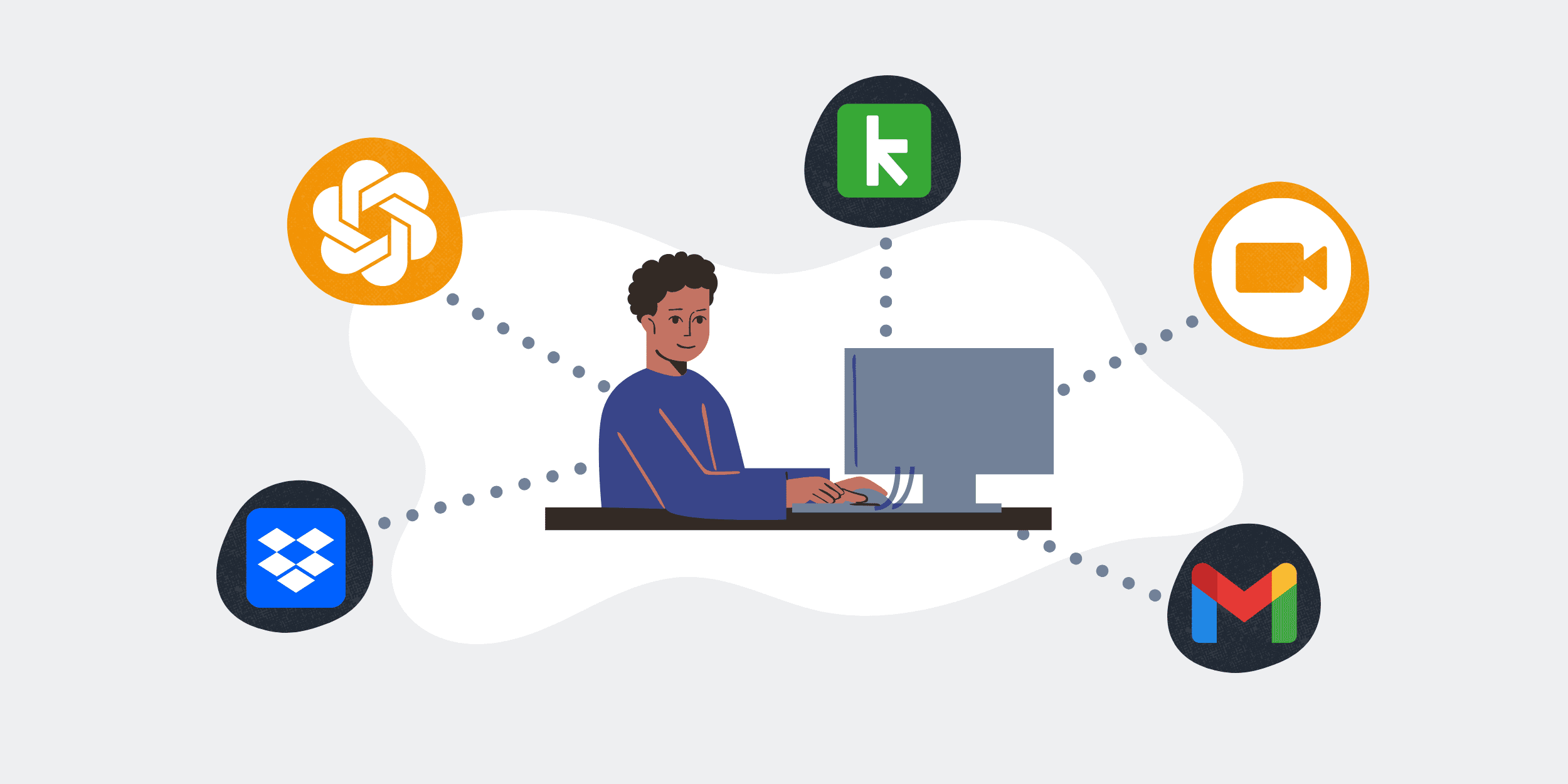
The true power of AI in HR and recruiting is often unlocked through its seamless integration with existing HR technology ecosystems. Many organizations struggle with disparate HRIS, ATS, CRM (like Keap), payroll, and performance management systems that don’t communicate effectively, leading to data silos and manual data entry. AI, when coupled with powerful integration platforms like Make.com, becomes the connective tissue that unifies these systems, creating a “Single Source of Truth.” For instance, an AI tool could extract data from an ATS, enrich it with external data sources, and then push it directly into a CRM for candidate nurturing, or into an HRIS for onboarding, all orchestrated by Make.com. This eliminates manual data transfer, reduces errors, and ensures that every system has access to the most current and accurate information. Such integration allows AI to operate across the entire employee lifecycle, from initial outreach to talent development, providing continuous value and maximizing the return on technology investments. This strategic approach to system integration and AI deployment is a cornerstone of how 4Spot Consulting helps businesses save 25% of their day by building robust, interconnected operational infrastructures.
The integration of AI into HR and recruiting operations is not merely about adopting new technology; it’s about fundamentally rethinking how organizations attract, manage, and develop their most valuable asset: their people. By embracing these 11 innovative applications, HR leaders, COOs, and business owners can transform their departments from administrative cost centers into strategic engines of growth and efficiency. The benefits are clear: reduced operational costs, elimination of human error, enhanced scalability, and a more engaged, productive workforce. The ability to automate repetitive tasks, gain deeper insights from data, and personalize the employee experience allows HR and recruiting professionals to shift their focus to higher-value, human-centric initiatives that truly impact the bottom line. Don’t let your organization fall behind; the future of HR is intelligent, automated, and deeply integrated.
If you would like to read more, we recommend this article: The Power of AI Automation for Unlocking Business Efficiency