HR Reporting for Small to Medium Businesses: Scalable Automation Solutions
For small to medium businesses (SMBs), the human resources department is often the backbone, managing everything from recruitment to payroll, benefits, and employee relations. Yet, too often, HR professionals in these dynamic environments find themselves drowning in a sea of manual data entry, disparate spreadsheets, and reactive tasks. The promise of insightful HR reporting remains an aspiration, constantly overshadowed by the urgent demands of daily operations. This isn’t just an inconvenience; it’s a significant bottleneck hindering strategic growth, accurate decision-making, and overall organizational scalability.
The Hidden Costs of Manual HR Reporting
The challenges of traditional HR reporting in SMBs are multifaceted. Data often resides in various systems: an applicant tracking system (ATS) for recruitment, a separate platform for payroll, another for performance reviews, and perhaps a simple spreadsheet for benefits tracking. Consolidating this information into a coherent report is a labor-intensive, error-prone process. Hours are spent copying and pasting, reconciling discrepancies, and manually generating graphs, time that could be better invested in employee development, strategic talent acquisition, or fostering a stronger company culture. This fragmented approach leads to delayed insights, making it difficult to identify trends in employee turnover, measure the effectiveness of hiring channels, or proactively address compliance risks. The result is an HR function that is more administrative than strategic, struggling to provide the data-driven guidance that modern business leaders demand.
Shifting from Reactive to Proactive with Automation
The key to unlocking HR’s strategic potential lies in embracing scalable automation solutions. This isn’t about replacing human judgment but empowering HR teams to elevate their focus from mundane data management to meaningful analysis and impactful strategy. Automation bridges the gaps between disparate HR systems, creating a unified flow of information that is consistently accurate and readily accessible.
What Scalable HR Automation Looks Like
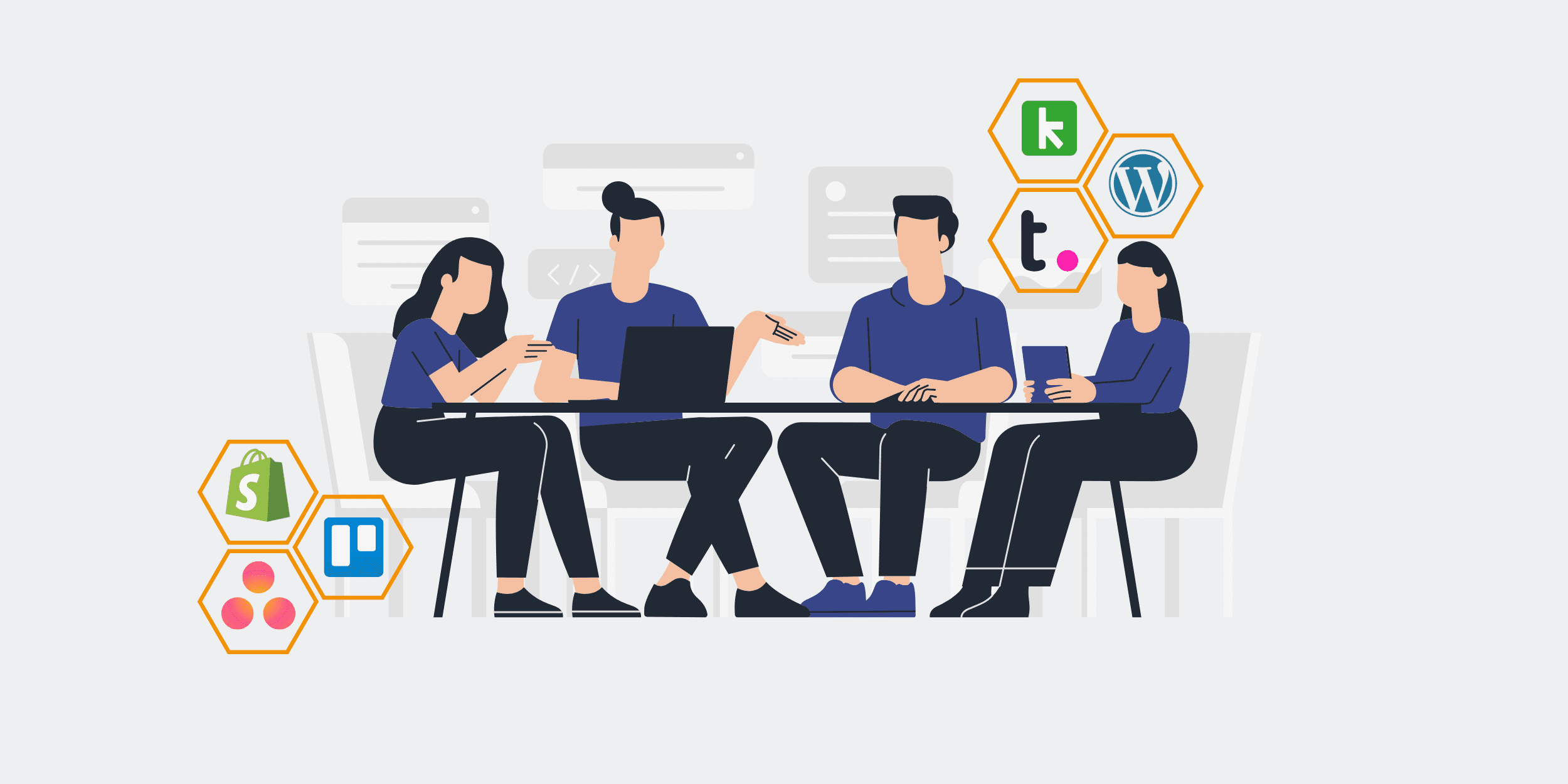
Scalable HR automation transforms reporting by connecting the dots across your entire HR ecosystem. Imagine a system where your ATS automatically feeds new hire data into your HRIS and payroll system, where performance review metrics are instantly aggregated into a talent management dashboard, and where compliance reports are generated with a single click. This is achieved through intelligent integration platforms, such as Make.com, which act as the central nervous system, orchestrating data movement and workflows between all your critical HR tools. Leveraging AI, these systems can even analyze patterns in vast datasets, predicting potential employee churn or identifying skill gaps before they become critical issues. Such an environment enables real-time reporting, allowing business leaders to make agile, informed decisions based on the most current and comprehensive data available.
4Spot Consulting’s Approach: Building an OpsMesh for HR
At 4Spot Consulting, we specialize in constructing intelligent operational frameworks, which we call an OpsMesh, designed to eliminate inefficiencies and drive strategic outcomes. For HR reporting, this means a bespoke solution that unifies your data, automates your reporting processes, and provides actionable insights. Our journey with clients typically begins with an OpsMap™ – a strategic audit specifically tailored to uncover the bottlenecks in your existing HR data collection, reporting workflows, and insight generation. We identify where manual efforts are draining resources and where automation can deliver the highest ROI.
Following the OpsMap™, our OpsBuild™ phase brings these solutions to life. We implement custom, low-code automation systems using powerful tools like Make.com, configuring integrations that ensure your HR data flows seamlessly and securely. By intelligently connecting your ATS, HRIS, payroll, and performance management systems, we create a single source of truth for all HR-related information. This not only frees up your HR professionals from tedious, repetitive tasks but also empowers them to become true strategic partners, armed with the precise data needed to inform talent acquisition, retention strategies, and workforce planning.
Real-World Impact: Unleashing HR’s Strategic Potential
We’ve seen clients, for example, an HR tech client, dramatically reduce the manual effort in their operations. By automating resume intake and parsing, and syncing that data seamlessly into their CRM, they saved over 150 hours per month. This isn’t just about saving time; it’s about making HR data immediately actionable, allowing for quicker insights into hiring trends, candidate pipelines, and overall talent acquisition effectiveness. The same principles apply to reporting across all HR functions – transforming disparate data into cohesive, strategic insights that drive growth. This strategic shift allows companies to quickly identify emerging trends, optimize their talent investments, and make proactive decisions rather than reactive ones.
Beyond Efficiency: The Strategic Advantages of Automated HR Reporting
The benefits of automated HR reporting extend far beyond simple efficiency gains. With clear, consistent, and real-time data, businesses can:
* **Optimize Recruitment:** Understand which channels yield the best candidates, analyze time-to-hire metrics, and identify areas for process improvement.
* **Enhance Employee Retention:** Pinpoint patterns in turnover, track employee engagement metrics, and proactively address factors contributing to dissatisfaction.
* **Improve Workforce Planning:** Forecast future staffing needs, identify skill gaps, and allocate resources more effectively.
* **Ensure Compliance:** Generate accurate and timely reports for regulatory requirements, reducing legal and financial risks.
* **Boost Business Scalability:** Establish robust systems that can handle growth without proportional increases in manual HR workload.
Embracing scalable automation in HR reporting is no longer a luxury; it’s a strategic imperative for small to medium businesses looking to thrive in a competitive landscape. By transforming your HR function from a cost center into a strategic value driver, you equip your organization with the intelligence needed to attract, retain, and develop the talent essential for sustained success. Ready to uncover automation opportunities that could save your HR team 25% of their day and elevate their strategic impact? Book your OpsMap™ call today.
If you would like to read more, we recommend this article: Comprehensive CRM Data Backup & Recovery for Keap & HighLevel