The Hidden Costs of Disconnected Data: Why Your Business Needs a Single Source of Truth
In today’s fast-paced business environment, the promise of data-driven decisions is everywhere. Yet, for many high-growth B2B companies, the reality is a fragmented landscape of spreadsheets, siloed CRM systems, disconnected HR platforms, and operational tools that simply don’t talk to each other. This isn’t just an inconvenience; it’s a silent drain on productivity, a breeding ground for human error, and a significant barrier to scalable growth. We’ve seen firsthand how these disconnected data points lead to lost opportunities and wasted resources, often without businesses even realizing the true cost.
The problem isn’t a lack of data; it’s a lack of cohesion. Information gets entered, re-entered, and often mis-entered across multiple systems. A client’s contact details might be updated in the CRM but remain outdated in the project management tool. A candidate’s interview feedback lives in one system, while their resume is stored in another. These inconsistencies create a ripple effect, slowing down everything from sales cycles to hiring processes and even critical client service. Business leaders, focused on revenue and strategic initiatives, often inherit these inefficiencies rather than consciously creating them.
The Operational Friction of Fragmented Information
When your data exists in a multitude of disparate locations, your team members become accidental data synchronizers. They spend countless hours manually transferring information, reconciling discrepancies, and verifying details – time that could be spent on high-value, revenue-generating activities. This manual labor isn’t just inefficient; it’s prone to error. A single misplaced digit, an overlooked update, or a misinterpreted data field can lead to significant consequences, from incorrect invoicing and compliance issues to frustrated customers and missed strategic insights.
Consider the HR and recruiting landscape, a prime example where disconnected systems can severely impact efficiency. Resume parsing, candidate tracking, interview scheduling, offer letters – each step often involves different software. Without a central hub, recruiters waste precious time cross-referencing information, leading to slower hiring times and a less-than-optimal candidate experience. The same applies to sales and marketing: inconsistent customer data can lead to irrelevant communications, damaging brand perception and reducing conversion rates. In operations, a lack of real-time synchronized data can cripple supply chains or delay critical service delivery.
Building Bridges, Not Just Silos: The Single Source of Truth Imperative
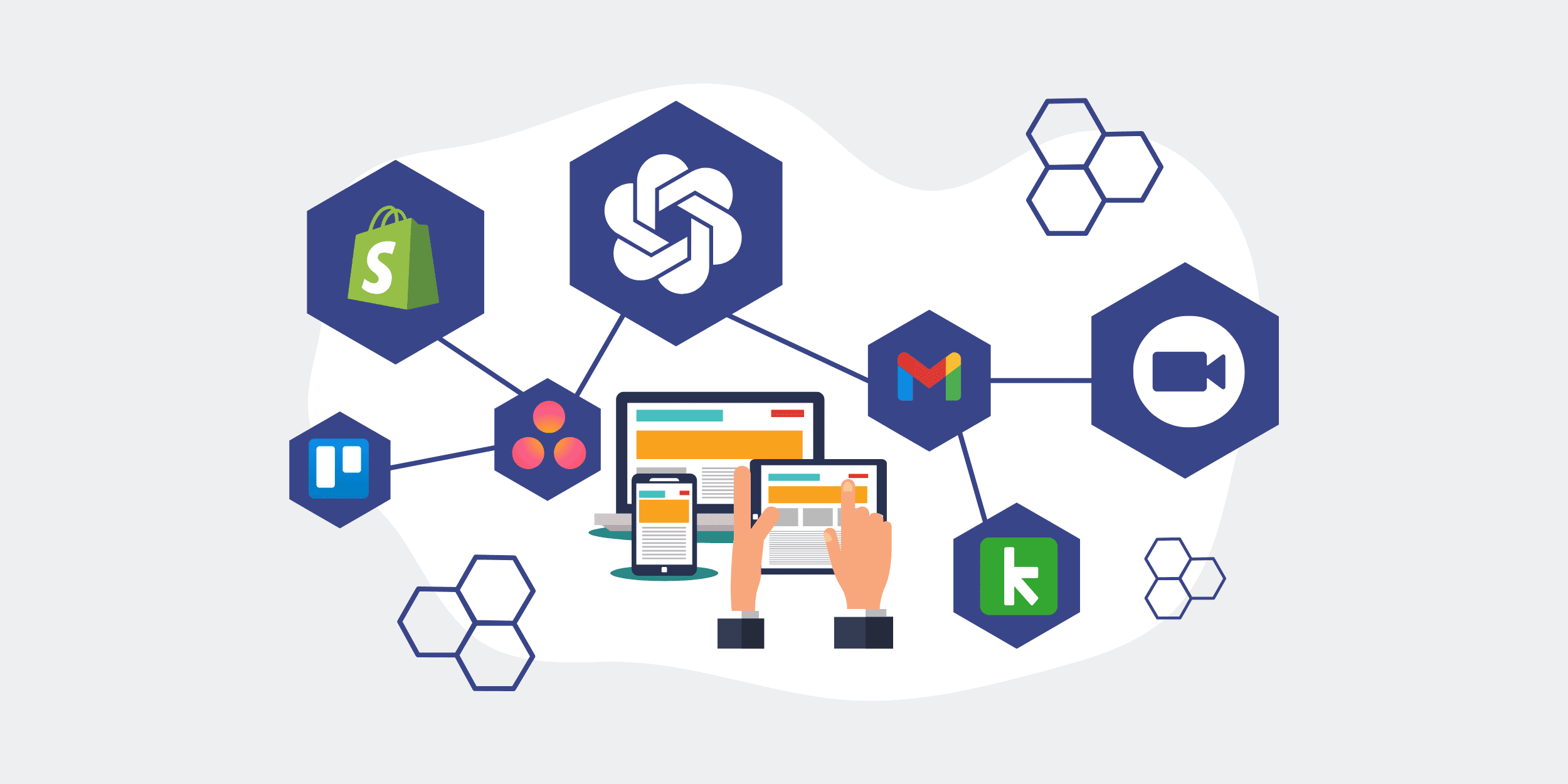
The solution lies in establishing a “Single Source of Truth” (SSOT) – a master data set that provides a complete, accurate, and consistent view of critical business information across all integrated systems. This isn’t about shoehorning all your data into one monolithic software; it’s about intelligently connecting your existing best-of-breed tools so they communicate seamlessly. This strategic approach ensures that when a piece of information is updated in one system, it automatically propagates to all other relevant platforms. The result is a dramatic reduction in manual effort, human error, and operational costs, freeing up your valuable human capital to focus on strategic growth.
At 4Spot Consulting, our OpsMesh framework is designed precisely for this challenge. We don’t just build automations; we architect an interconnected ecosystem where your data flows freely and accurately. Our process begins with an OpsMap™ diagnostic, a deep dive into your current workflows to identify where data silos are costing you time and money. We uncover the inefficiencies, map out the optimal data flow, and then, through OpsBuild, implement robust automation and AI solutions using powerful platforms like Make.com to create those essential bridges between systems such as Keap CRM, PandaDoc, and your recruiting platforms.
Realizing the Benefits: Beyond Just Saving Time
The immediate benefit of an SSOT is undeniable time savings. We’ve helped clients, such as an HR tech firm, save over 150 hours per month by automating their resume intake and parsing process, using AI enrichment and syncing directly to Keap CRM. This wasn’t just about moving data; it was about transforming their hiring velocity and reducing the burden on their team, allowing them to focus on candidate engagement rather than data entry. The quote, “We went from drowning in manual work to having a system that just works,” perfectly encapsulates the transformative power of this approach.
But the impact extends far beyond mere efficiency. With a single, reliable source of truth, business leaders gain unprecedented clarity. Strategic decisions become genuinely data-driven because they are based on accurate, real-time information. Scalability improves dramatically, as new processes or increased volume don’t break the system; they simply flow through the established automation pathways. Furthermore, a consistent data foundation significantly reduces compliance risks and improves the overall customer and employee experience.
Disconnected data is more than just a nuisance; it’s a silent, persistent tax on your business’s potential. By proactively addressing these silos and building a robust Single Source of Truth, you unlock significant operational efficiencies, empower your team, and pave the way for sustainable, high-growth expansion. This strategic approach ensures every part of your organization is working from the same playbook, driving clarity, reducing error, and ultimately, saving you 25% of your day.
If you would like to read more, we recommend this article: Mastering Business Automation: A Comprehensive Guide to Streamlining Operations