The Silent Drain: Uncovering Hidden Inefficiencies in B2B Operations
Every business leader dreams of an operation that runs like a well-oiled machine, where processes are seamless, errors are non-existent, and growth is unhindered. Yet, for many high-growth B2B companies, a silent drain constantly siphons off precious time, resources, and potential. This isn’t always obvious; it lurks in the manual data entry, the fragmented communication, the siloed systems, and the repetitive tasks that high-value employees are forced to shoulder. At 4Spot Consulting, we call this the ‘silent drain’ of operational inefficiency, and it’s costing businesses far more than they realize.
The challenge isn’t a lack of effort from your team. Quite the opposite. Highly skilled professionals are often trapped in a cycle of low-value, high-volume administrative tasks that could easily be automated. Think about the countless hours spent on onboarding new hires, backing up CRM data, compiling reports from disparate sources, or manually moving information between different software platforms. Each of these small inefficiencies, when multiplied across an organization, adds up to a significant drag on productivity and profitability.
The Hidden Costs of Manual Processes
The immediate cost of manual processes is easy to identify: it’s the payroll for the hours spent on tasks that add little strategic value. But the deeper costs are far more insidious. Manual errors can lead to compliance issues, lost sales opportunities, and damaged client relationships. The frustration of repetitive work can lead to employee burnout and turnover, especially among your most talented staff who feel their expertise is being underutilized. Furthermore, the inability to scale efficiently because operations are tied to human capacity creates a hard ceiling on growth, preventing businesses from seizing new opportunities.
Consider the recruiting landscape, a domain we know intimately. Imagine an HR team manually sifting through hundreds of resumes, entering candidate data into a CRM, scheduling interviews, and sending follow-up emails. This isn’t just time-consuming; it’s a bottleneck. A highly qualified candidate could be missed, or the best talent could be snapped up by a more agile competitor simply because your internal processes are too slow. We’ve seen firsthand how an HR firm, for example, can save over 150 hours per month by automating their resume intake and parsing process, freeing up their team to focus on strategic talent acquisition.
Fragmented Systems: The Digital Silos Holding You Back
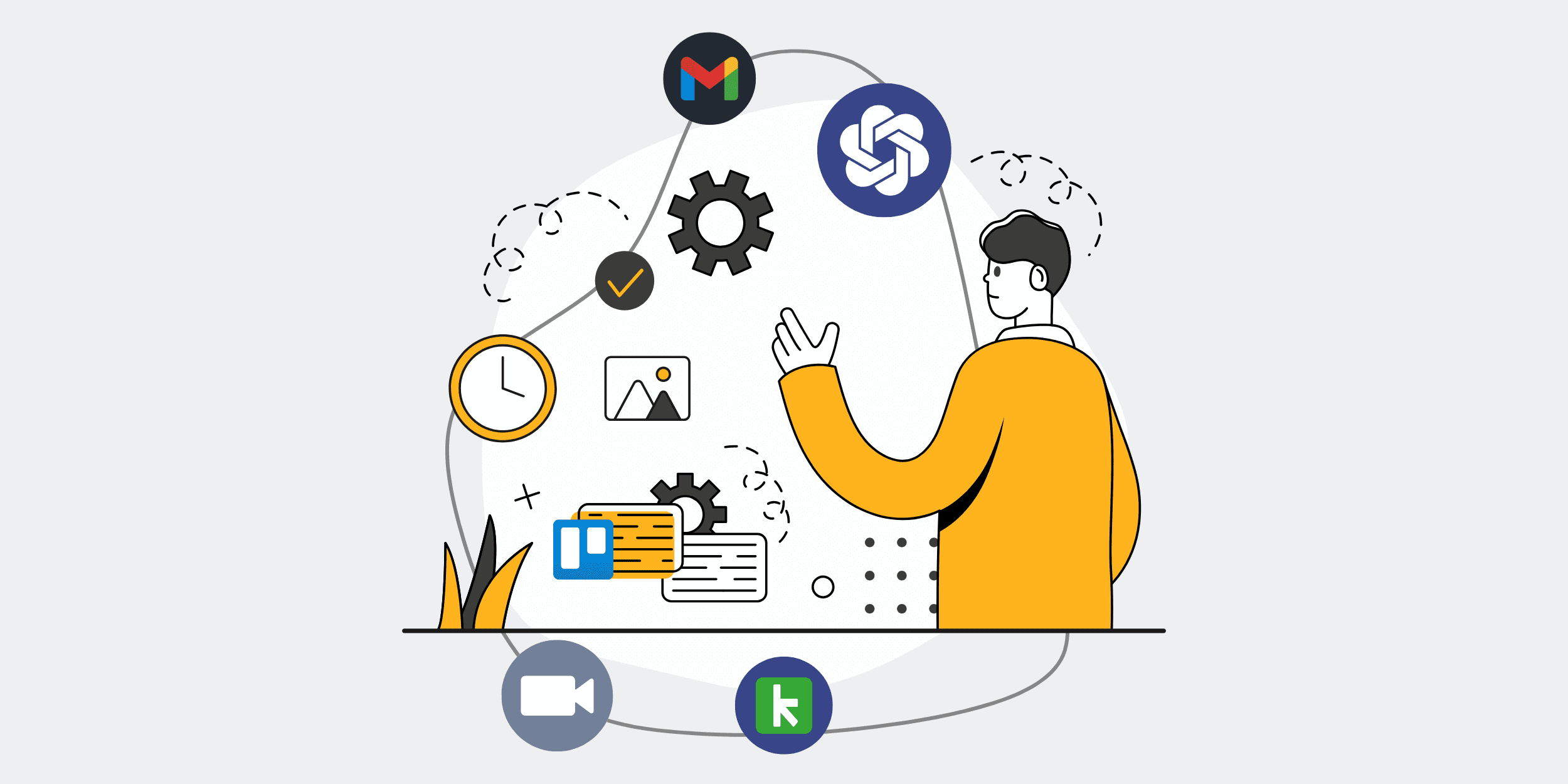
Another common culprit behind operational inefficiencies is the proliferation of disconnected software systems. Most modern businesses use a suite of tools for CRM, project management, HR, marketing, and finance. While each tool is powerful on its own, their inability to communicate seamlessly creates digital silos where data gets stuck. This necessitates manual data transfer, leading to inconsistencies, outdated information, and a lack of a single source of truth.
This fragmentation isn’t just an inconvenience; it’s a strategic liability. Without a unified view of your operations, it becomes incredibly difficult to make informed decisions, identify trends, or measure performance accurately. It’s like trying to navigate a complex route with only fragments of a map. The ability to connect these systems, creating an integrated digital ecosystem, is paramount for scalability and truly harnessing the power of your data.
Transforming Operations with 4Spot Consulting’s OpsMesh Framework
At 4Spot Consulting, our mission is to help high-growth B2B companies eliminate these silent drains and save a significant portion of their operational day. We don’t just implement technology; we apply a strategic-first approach through our proprietary OpsMesh framework. This isn’t about ‘tech for tech’s sake’; it’s about connecting your disparate systems and processes into a cohesive, intelligent network that drives measurable ROI.
Our process begins with an OpsMap™ diagnostic—a strategic audit designed to pinpoint your specific inefficiencies, uncover hidden automation opportunities, and create a clear roadmap for profitable automations. We then move to OpsBuild, where our experts, specializing in tools like Make.com, Keap, and AI integrations, construct and implement tailored automation and AI systems. Finally, OpsCare ensures ongoing support and optimization, guaranteeing your systems evolve with your business needs.
The impact of this strategic approach is profound. We’ve enabled clients to achieve remarkable outcomes, from significantly reducing human error and operational costs to increasing scalability and freeing up high-value employees from mundane tasks. Imagine your sales team spending more time selling and less time on data entry, or your HR team focusing on candidate engagement rather than administrative burdens. This is the tangible result of a truly optimized operation, where every system works in harmony to support your strategic objectives.
If you’re ready to stop the silent drain and transform your business operations, it’s time to explore a more intelligent way to work. We believe in outcomes, not just outputs, and our track record speaks for itself.
If you would like to read more, we recommend this article: The Future of Business Automation: Unlocking Scalability and Efficiency