The Silent Killer of Business Growth: Data Silos and How Automation Can Conquer Them
In the relentless pursuit of growth, businesses often encounter an insidious, almost invisible enemy: data silos. These aren’t just isolated spreadsheets or departmental databases; they represent a fundamental fragmentation of information that, left unchecked, can silently erode efficiency, stifle innovation, and ultimately, stunt a company’s ability to scale. For high-growth B2B organizations, particularly those navigating the complexities of HR, recruiting, or intricate operational workflows, the costs of disconnected data aren’t merely inconvenient—they are substantial and directly impact the bottom line.
The Invisible Walls: How Data Silos Cripple Operations
Imagine your sales team logging critical client interactions in a CRM, while your operations team manages project delivery in a separate system, and HR handles new hire onboarding on yet another platform. Each system, while valuable in its own right, creates an invisible wall, preventing a holistic view of your business. This fragmentation isn’t just about duplicated data entry; it’s about a lack of a “single source of truth.”
Consider the ripple effects: Recruitment teams might struggle to access up-to-date candidate information from an ATS that doesn’t talk to the HRIS, leading to delays in hiring or even missed opportunities. Operational leaders can’t gain real-time insights into project statuses because key metrics are buried in disparate tools, making proactive decision-making nearly impossible. Marketing efforts might suffer from outdated customer segmentation if CRM data isn’t seamlessly integrated with campaign management platforms.
The consequence? Precious time is wasted on manual data reconciliation, human error inevitably creeps in, and critical business decisions are made on incomplete or outdated information. This operational friction isn’t just an annoyance; it’s a direct drag on productivity, a barrier to scalability, and a significant contributor to increased operational costs.
Beyond the Buzzword: Strategic Automation as the Unifier
At 4Spot Consulting, we’ve witnessed firsthand how businesses grappling with these data silos often feel overwhelmed by the sheer volume of disparate systems. The solution isn’t to simply add more software; it’s to strategically connect the existing pieces, creating a cohesive, automated ecosystem where data flows freely and accurately. This is where the power of automation and AI truly shines, transforming fragmented operations into a unified, intelligent whole.
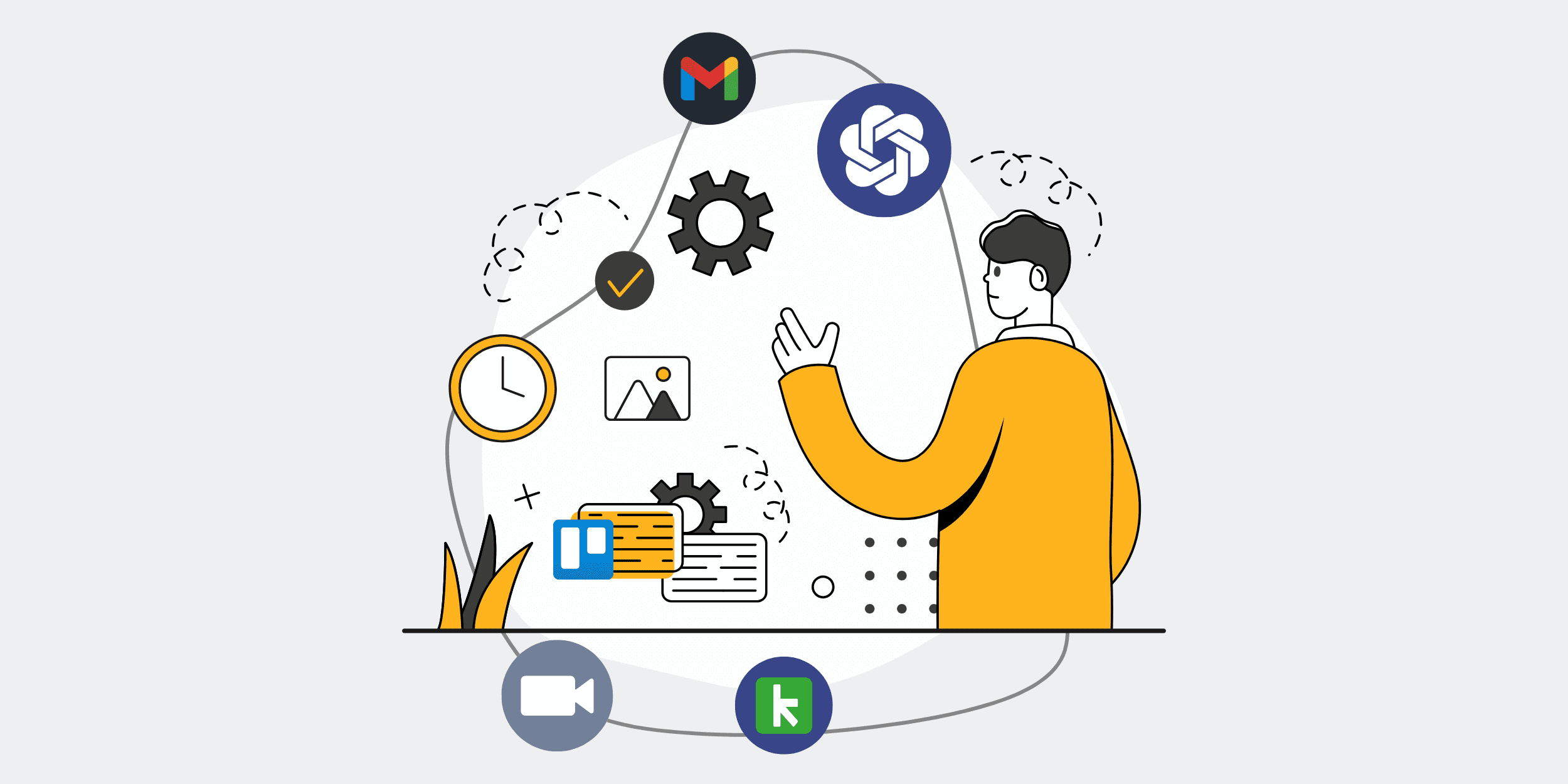
We don’t just “automate processes”; we engineer a strategic integration layer, often powered by robust platforms like Make.com, that acts as the central nervous system for your business data. This means liberating information from its silos, allowing it to move seamlessly between your CRM (like Keap or HighLevel), HR platforms, project management tools, and communication channels. The goal is to establish a truly “Single Source of Truth”—a reliable, consistent repository of data that everyone in your organization can access and trust.
Building a Single Source of Truth with OpsMesh
Our OpsMesh framework is specifically designed to tackle this challenge. It’s a holistic approach that maps your existing systems, identifies critical data flows, and then builds intelligent automations to bridge the gaps. For instance, a new lead in your CRM can automatically trigger a personalized email sequence, create a new project task, and notify the relevant team—all while ensuring that every piece of data is consistent across systems. When it comes to HR and recruiting, imagine new hire data flowing effortlessly from application to onboarding, payroll, and internal communication platforms, eliminating manual reentry and ensuring compliance.
This isn’t about eliminating human involvement; it’s about eliminating low-value, repetitive work. By automating the movement and synchronization of data, your high-value employees are freed from the drudgery of data entry and reconciliation, allowing them to focus on strategic thinking, client engagement, and problem-solving—the tasks that truly drive growth and competitive advantage.
Real-World Impact: From Fragmented Data to Fluid Operations
We’ve seen clients transform their operations, moving from an environment riddled with manual errors and delayed reporting to one where real-time dashboards provide actionable insights. An HR tech firm, for example, saved over 150 hours per month by automating their resume intake and parsing process, directly integrating it with their CRM. This not only accelerated their recruitment cycle but also significantly reduced the cost per hire, demonstrating a clear ROI from strategic automation.
The true value of conquering data silos lies in the clarity and agility it brings. When your data speaks a single, consistent language across all departments, you can make faster, more informed decisions, respond more rapidly to market changes, and ultimately, scale your business with confidence and precision.
Your Path to Integrated Efficiency
Data silos are a silent but potent threat to any growing business. They represent lost time, wasted resources, and missed opportunities. However, with a strategic approach to automation and AI, these barriers can be dismantled, paving the way for a truly integrated, efficient, and scalable operation. By establishing a Single Source of Truth, you empower your teams, enhance your decision-making, and unlock the full growth potential of your organization.
If you would like to read more, we recommend this article: Strategic Automation for Scalable Growth