Unlocking Scalability: How Strategic Automation Transforms Business Operations
In today’s fast-paced business environment, scalability isn’t just a buzzword; it’s a fundamental requirement for sustained growth and competitive advantage. Yet, many high-growth B2B companies find themselves trapped in a cycle of manual processes, human error, and operational bottlenecks that actively impede their ability to expand. This isn’t just about doing more with less; it’s about doing the right things, smarter, by strategically leveraging automation and AI.
The core challenge for businesses seeking to scale is often an invisible drain on resources: the accumulation of low-value, repetitive tasks performed by high-value employees. From managing CRM data and client onboarding to intricate HR processes and internal communications, these tasks, while necessary, consume critical time that could be dedicated to strategic initiatives, innovation, and direct revenue generation. This is where the power of strategic automation becomes not just an advantage, but an imperative.
The Hidden Costs of Unautomated Growth
Consider the typical journey of a scaling business. As client lists grow and teams expand, so too does the complexity of operations. New hires mean more paperwork, more onboarding steps, and more data entries. Increased client load translates to more contracts, more invoicing, and more support requests. Without an underlying automated infrastructure, each step of growth simply adds more weight to an already strained system. This manifests in several critical ways:
Erosion of Employee Productivity and Morale
When highly skilled professionals, from sales executives to operations managers, spend a significant portion of their day on administrative minutiae, their core value to the organization diminishes. Not only does this reduce output in their primary roles, but it also leads to burnout and decreased job satisfaction. The innovative thinking and strategic problem-solving that drive a company forward are stifled by the drudgery of manual data transfer or repetitive email responses.
Increased Risk of Human Error
Every manual touchpoint is an opportunity for error. Misplaced files, incorrect data entries, missed deadlines – these small mistakes can accumulate into significant compliance issues, client dissatisfaction, and financial losses. Automation, by its very nature, introduces a level of precision and consistency that manual processes simply cannot match, drastically reducing the margin for error and safeguarding critical business operations.
Inhibiting Business Agility and Innovation
A business bogged down by manual processes is inherently slow to adapt. Launching new products, entering new markets, or pivoting strategies requires rapid operational adjustments. If these adjustments depend on manually reconfiguring workflows or training staff on new, labor-intensive procedures, the company’s ability to respond quickly to market changes is severely compromised. Strategic automation, conversely, builds agile systems that can be reconfigured and scaled with speed and precision.
Building an OpsMesh: The 4Spot Consulting Approach
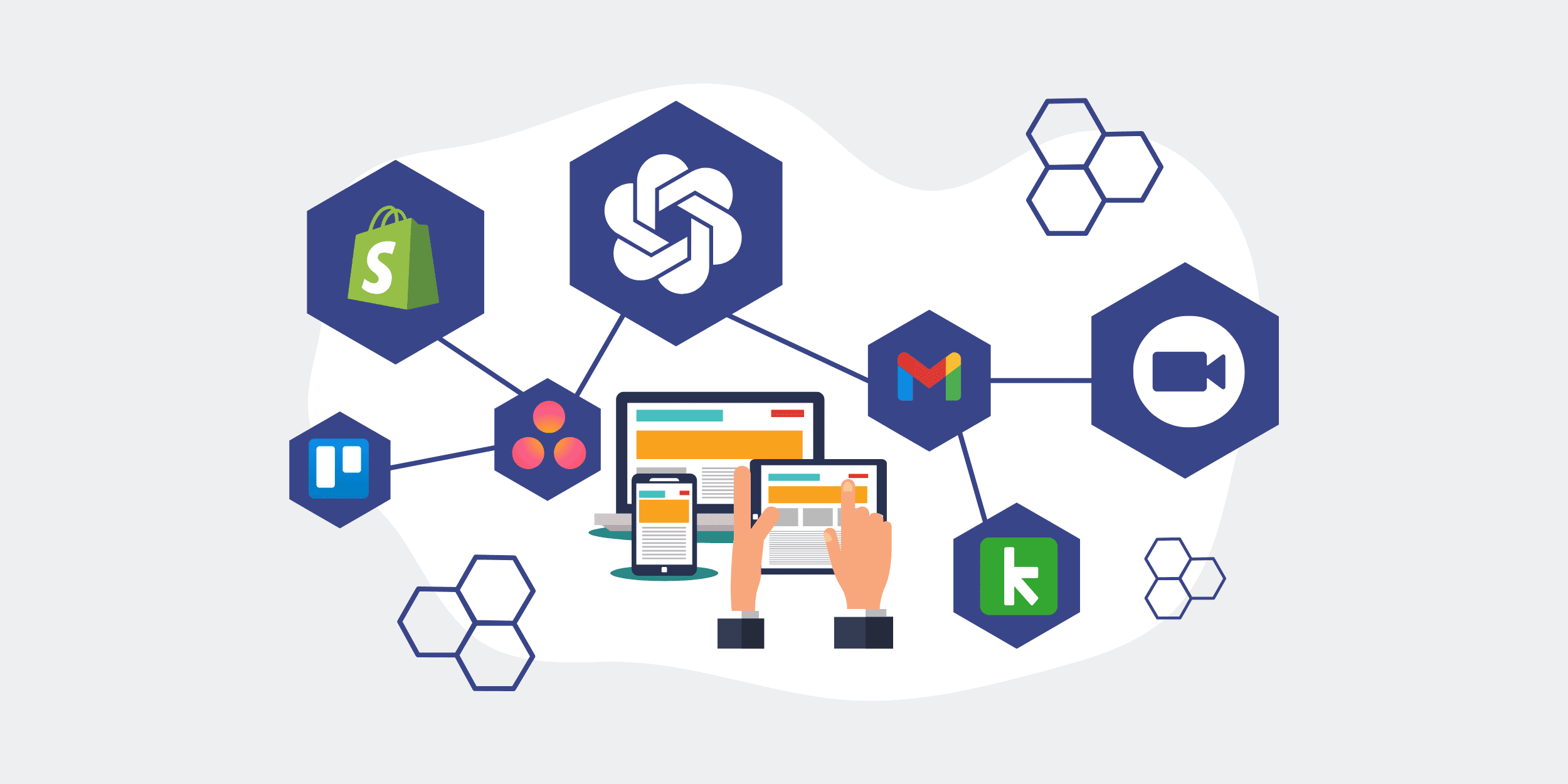
At 4Spot Consulting, we understand that true scalability comes not from quick fixes but from foundational transformation. Our OpsMesh framework is designed to weave together disparate systems and processes into a cohesive, automated ecosystem. This isn’t about implementing a single tool; it’s about creating a strategic blueprint that identifies inefficiencies and implements intelligent automation solutions across your entire operational landscape.
Our journey with clients typically begins with an OpsMap™ – a strategic audit that meticulously uncovers hidden bottlenecks and high-impact automation opportunities. We delve into areas like HR and recruiting, CRM and data management (especially for platforms like Keap and HighLevel), document workflows, and the integration of AI-powered operations. The goal is always to reduce low-value work from high-value employees, freeing them to focus on what truly drives your business forward.
Realizing Tangible ROI Through Smart Automation
The impact of strategic automation is not theoretical; it’s quantifiable. We’ve seen HR tech clients save over 150 hours per month by automating resume intake and parsing processes, then syncing that enriched data directly to their CRM. This kind of efficiency gain translates directly into reduced operational costs, faster processing times, and a significant boost in overall productivity.
By integrating tools like Make.com, Keap, PandaDoc, and Unipile, we create robust, interconnected systems that ensure data flows seamlessly, tasks are executed consistently, and critical business functions operate autonomously. This allows businesses to scale without proportionately increasing their operational overhead. Instead of hiring more people to manage increasing complexity, you can leverage automation to handle the growth, allowing your team to focus on strategic expansion and client success.
The Future-Ready Business: A Paradigm Shift
Embracing strategic automation is more than just an operational upgrade; it’s a fundamental shift in how you perceive and manage your business. It allows leaders to move beyond reactive problem-solving to proactive, data-driven decision-making. By eliminating the manual drag, businesses can invest more in innovation, enhance their customer experience, and cultivate a more engaged and productive workforce.
Ultimately, unlocking scalability is about building resilience and future-proofing your operations. It’s about creating systems that empower your team, reduce error, and drive consistent, predictable growth. This is the strategic imperative for any B2B company aiming for sustained success in an increasingly competitive world.
If you would like to read more, we recommend this article: The Strategic Imperative of Business Automation: Building a Future-Ready Enterprise