HighLevel Integration Tips for Enhanced Contact Data Protection
In today’s fast-paced digital landscape, contact data isn’t just information; it’s the lifeblood of your business. For HR and recruiting firms, it represents a treasure trove of sensitive candidate profiles, client relationships, and proprietary outreach strategies. Platforms like HighLevel offer unparalleled power to manage, nurture, and automate interactions around this data, but with such power comes an inherent responsibility to safeguard it. Many businesses, in their rush to harness HighLevel’s extensive integration capabilities, inadvertently create vulnerabilities that can expose this critical data.
The Critical Imperative of Secure HighLevel Integrations
Protecting your contact data within HighLevel is no longer merely a compliance checkbox; it’s a strategic business imperative. Beyond the looming specter of regulatory fines (like GDPR or CCPA), a data breach carries profound risks to your reputation, client trust, and operational continuity. Imagine the fallout from leaked candidate PII or compromised client lists. HighLevel, often becoming a centralized “single source of truth,” makes it an attractive target if its integrations are not rigorously secured. The very mechanisms that make HighLevel so flexible – its APIs, webhooks, and third-party connections – are precisely where the greatest risks can emerge if not managed with expert care.
Mapping Your Data Flow and Potential Weak Points
Before you even contemplate connecting HighLevel to another system, a foundational step often overlooked is to meticulously map your data flow. What specific data lives within HighLevel? What sensitive information will be entering or exiting through integrations? Where are the critical touchpoints for PII, financial details, or confidential client discussions? Understanding these pathways and identifying potential weak points before implementation is crucial. Far too many organizations jump directly to connecting systems, only to realize later the unintended data exposures or compliance headaches they’ve created.
Common Integration Scenarios and Their Security Implications
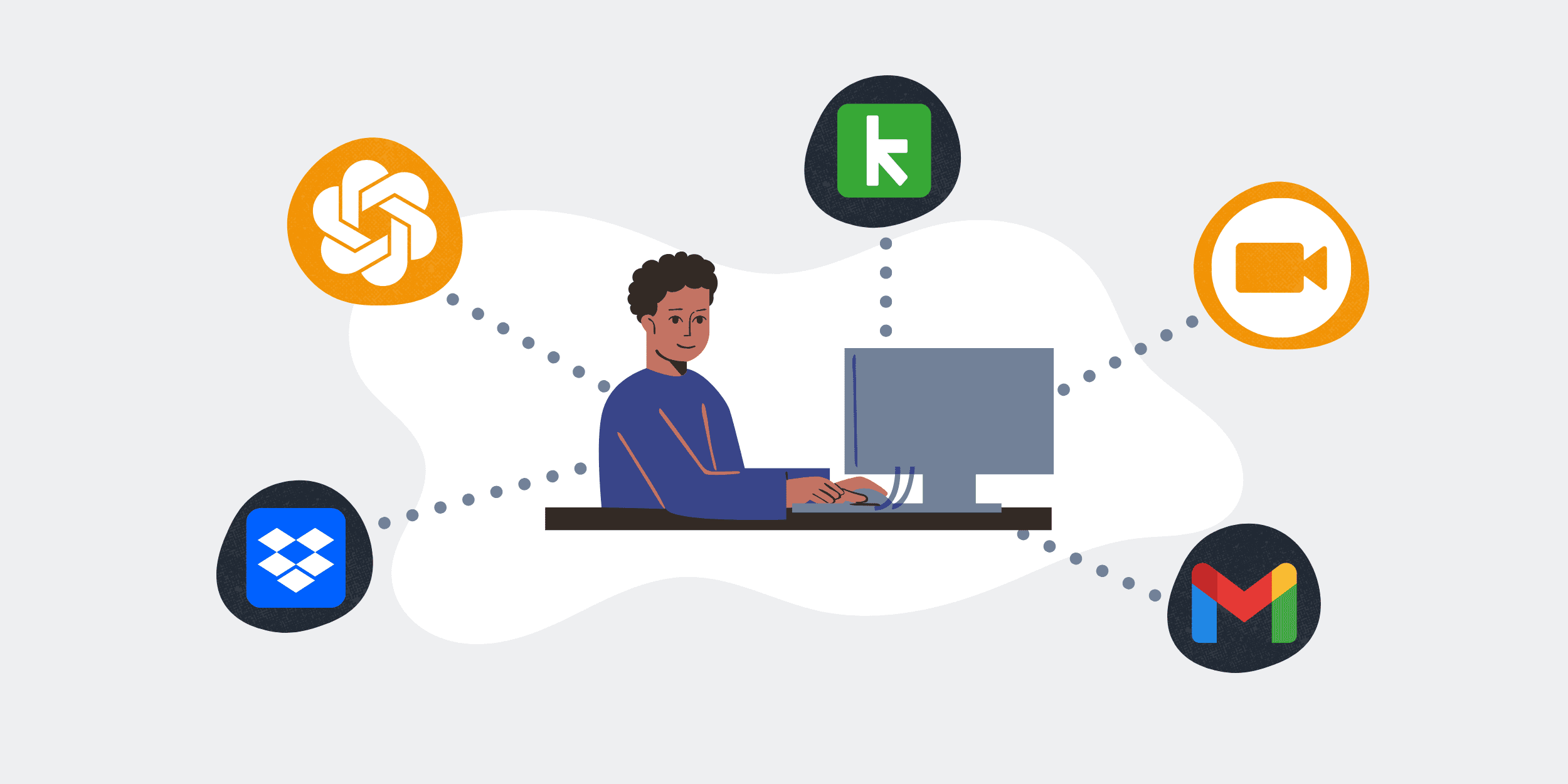
Consider the typical HighLevel ecosystem: it might be integrated with an Applicant Tracking System (ATS), a Human Resources Information System (HRIS), a payment gateway, an external form builder, or even other CRMs like Keap. Each of these connections establishes a new data pathway, a potential ingress or egress point. For example, syncing detailed candidate profiles from an ATS into HighLevel for nurture campaigns can inadvertently expose sensitive PII to a wider range of HighLevel users or less secure connected marketing tools. Similarly, using webhooks via platforms like Make.com to automate data transfers, while incredibly efficient, must be secured against unauthorized access or data interception.
Architecting Robust Protection: Strategic Practices
Fortifying your HighLevel integrations requires a shift from reactive fixes to proactive, strategic architecture. These aren’t just ‘tips’; they are foundational principles for building a truly resilient data protection framework.
Adhering to the Principle of Least Privilege
This principle extends beyond human users to every API key and every integration. Each connected system should only be granted the absolute minimum necessary permissions to perform its designated function. Providing full admin access to an integration that merely needs to read contact names is a glaring security oversight. Regularly review HighLevel user roles and API scopes, ensuring that access is precisely tailored to function, limiting potential damage should an integration point be compromised.
Meticulous API Key Management and Rotation
Your API keys are the digital keys to your data kingdom. Treat them with the same stringent security measures as you would root passwords. They should never be hardcoded or exposed in public repositories. Instead, store them securely, ideally in environment variables or dedicated secret management vaults. Where possible, restrict their usage by IP address and, critically, implement a defined schedule for regular rotation. Compromised API keys remain one of the leading causes of data breaches in integrated environments.
Ensuring Secure Data Transit and Encryption
Any data exchanged between HighLevel and external systems must, without exception, be encrypted in transit using secure protocols like HTTPS. For highly sensitive data, consider implementing additional layers of encryption at the application level before it leaves HighLevel. Furthermore, demand that your integrated partners also employ robust encryption standards, ensuring a secure chain of custody for your data from end-to-end.
Implementing Comprehensive Data Validation and Sanitization
When data flows into HighLevel from any external source, it must be subjected to rigorous validation and sanitization. This critical step prevents malicious data—such as SQL injection attempts or malformed scripts—from corrupting your HighLevel database or exploiting vulnerabilities within your integrated systems. Never implicitly trust external input; always assume it could be malicious and validate accordingly.
Establishing Vigilant Monitoring and Audit Trails
You cannot protect what you cannot see. Implement robust logging for all integration activities, including successful and failed data transfers, API calls, and any configuration changes. Establish alerts for unusual patterns, suspicious activities, or failed access attempts. HighLevel’s native audit logs, when combined with external monitoring tools, provide critical visibility into your integrated ecosystem.
Regular Security Assessments and Partner Vetting
The assumption that your integrations are secure simply because they are “working” is a dangerous one. Conduct periodic, independent security assessments of your entire integrated HighLevel ecosystem. Crucially, thoroughly vet your third-party integration partners. Understand their security posture, data handling practices, and incident response plans. Your security is only as strong as your weakest link, and often that link lies with a partner.
The 4Spot Consulting Approach: Seamless Integration, Uncompromised Security
Protecting your HighLevel contact data through strategically built and managed integrations is a complex undertaking. It demands more than just technical expertise; it requires a deep understanding of business processes, data governance, and proactive security architecture. This is precisely where 4Spot Consulting excels. Through our proprietary OpsMesh framework and leveraging powerful tools like Make.com, we design and implement automation solutions that not only enhance your efficiency but are fundamentally built with data protection and integrity at their core. We help you transition from reactive fixes to a truly resilient data ecosystem, ensuring your HighLevel instance remains a secure, scalable, and invaluable asset. Our OpsMap™ strategic audit explicitly identifies these vulnerabilities and blueprints robust, secure integrations, safeguarding your most critical information.
If you would like to read more, we recommend this article: Essential HighLevel Data Protection & Recovery for HR & Recruiting Firms