Mastering the Art of Data Synthesis: From Disparate Systems to Unified Intelligence
In today’s fast-paced business environment, organizations are awash in data, yet often starved for actionable insights. The modern enterprise typically relies on a multitude of specialized software solutions—CRMs, HRIS, accounting platforms, marketing automation tools, project management systems, and more. Each serves its purpose, generating critical information within its silo. However, the true challenge arises when these systems operate in isolation, creating data fragmentation that stifles efficiency, breeds inaccuracies, and obscures the holistic view necessary for strategic decision-making.
The problem isn’t a lack of data; it’s a lack of intelligent synthesis. Teams spend countless hours manually extracting, reconciling, and re-entering information across platforms. This isn’t just a productivity drain; it’s a significant source of human error, a bottleneck to scalability, and a barrier to understanding the true health and trajectory of your business. When your HR data doesn’t seamlessly communicate with your finance data, or your sales pipeline is disconnected from your operational capacity, you’re not just losing time—you’re losing revenue and competitive edge.
The Hidden Costs of Data Silos
Consider the ripple effect of fragmented data. A new hire’s details entered into an HR system might not automatically populate an email marketing platform for onboarding communications, or a CRM for client assignments. This necessitates manual transfer, increasing the likelihood of typos, forgotten steps, and delays. In recruiting, a candidate’s journey often spans multiple tools—applicant tracking systems, communication platforms, assessment tools. Without a unified view, the candidate experience suffers, and the recruiting team’s ability to move swiftly and decisively is hampered.
Beyond human error, data silos inhibit true business intelligence. Critical trends and correlations remain hidden when key metrics are scattered across disparate databases. Imagine trying to understand the full customer lifetime value without a clear link between initial lead source (marketing data), sales conversion (CRM data), service history (support ticketing), and payment records (accounting data). The insights needed to optimize marketing spend, refine sales strategies, or improve customer retention simply aren’t readily available, forcing leaders to make decisions based on incomplete or outdated information.
Beyond Basic Integration: The Power of Strategic Data Synthesis
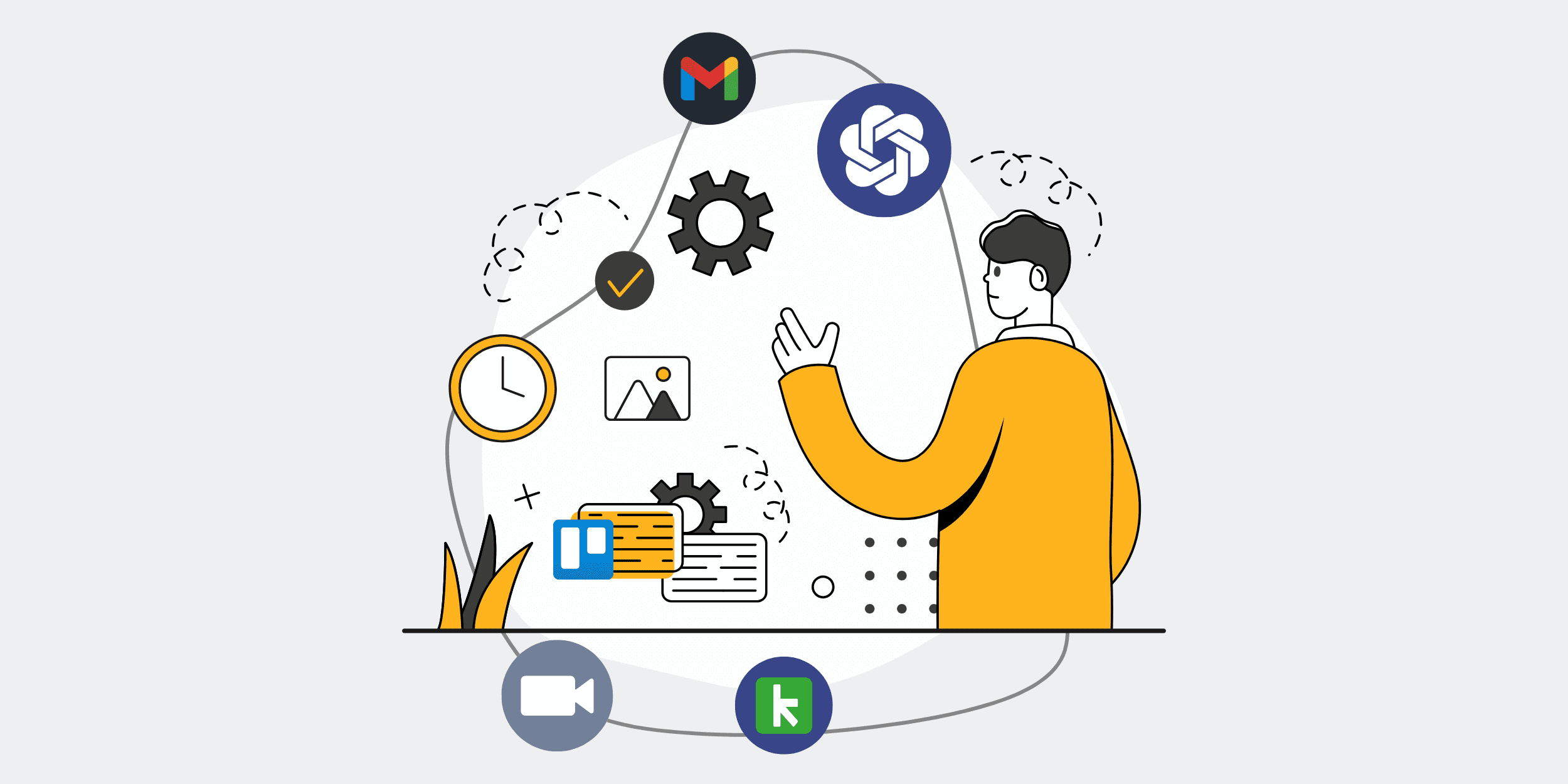
Many businesses attempt to solve this by simply “integrating” systems, but true data synthesis goes far beyond basic connections. It involves a strategic approach to centralizing, normalizing, and enriching data from all critical sources into a “single source of truth.” This isn’t about finding one massive piece of software that does everything; it’s about intelligently connecting your best-of-breed tools and leveraging automation and AI to orchestrate the flow and transformation of information.
At 4Spot Consulting, we approach this challenge through our OpsMesh™ framework. Instead of merely linking two applications, we build a resilient, interconnected network that allows data to flow intelligently across your entire operational ecosystem. This means not only ensuring that a new client in your CRM automatically creates a project in your project management tool and generates an invoice in your accounting software, but also enriching that data with contextual insights, ready for analysis.
From Reactive to Proactive: Fueling Predictive Insights with Unified Data
With a single source of truth, businesses transition from reactive problem-solving to proactive, predictive decision-making. AI-powered analytics can then scour this unified dataset to identify patterns, forecast trends, and flag potential issues before they escalate. Imagine automatically identifying which marketing channels yield the highest-value customers over time, or predicting employee turnover based on a combination of HR and performance data. These are the kinds of insights that transform operations from guesswork into strategic foresight.
Our work often involves leveraging platforms like Make.com to serve as the orchestrator, connecting dozens of specialized SaaS systems. This allows us to design intricate workflows that not only move data but also transform it, ensuring consistency and relevance across all platforms. The result is a streamlined operation where information is always current, accurate, and accessible, empowering teams to focus on high-value tasks rather than manual data manipulation.
Building Your Unified Intelligence: The 4Spot Consulting Difference
Our process begins with an OpsMap™—a strategic audit designed to uncover every inefficiency, manual bottleneck, and disconnected data point within your current operations. We don’t just recommend tech; we diagnose the underlying business problems and design solutions that deliver measurable ROI. Like the HR firm we helped save over 150 hours per month by automating resume intake and parsing using AI, then syncing to their CRM, we’re focused on tangible outcomes.
Achieving a truly unified data landscape requires expertise, a strategic mindset, and a deep understanding of both technology and business processes. It’s about designing systems that eliminate human error, reduce operational costs, and build a foundation for scalable growth. The payoff is immense: a significant reduction in wasted time, greater accuracy in reporting, and the ability to unlock powerful, data-driven insights that propel your business forward.
The future of operational excellence lies in mastering data synthesis. It’s not just about automating tasks; it’s about intelligently connecting your entire business to create a dynamic, responsive, and insightful operation. This strategic integration is how you truly save 25% of your day, freeing up your most valuable employees to innovate and grow.
If you would like to read more, we recommend this article: The OpsMesh™ Framework: Building Resilient and Scalable Operations with Automation and AI