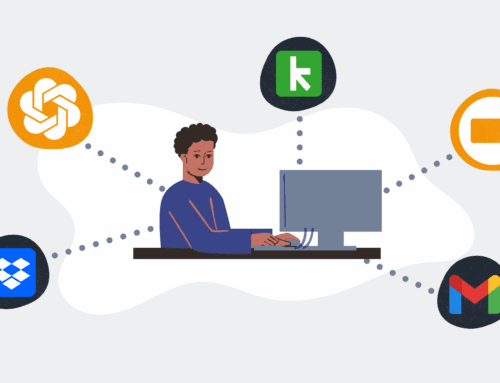
Data Synchronization Made Easy: Keap Integration Best Practices
In today’s fast-paced business landscape, the efficiency of your operations hinges on the seamless flow of information. Data, often hailed as the new oil, is only valuable when it’s accurate, accessible, and actionable. For many businesses leveraging Keap as their CRM and marketing automation powerhouse, the challenge isn’t just collecting data, but ensuring it synchronizes effortlessly with other critical business systems. This isn’t merely a technical hurdle; it’s a strategic imperative that impacts everything from sales conversions to customer satisfaction and operational scalability.
At 4Spot Consulting, we’ve seen firsthand how fragmented data creates bottlenecks, introduces human error, and ultimately costs businesses precious time and revenue. The promise of Keap—a unified platform for customer management, sales, and marketing—is truly realized when it operates in harmony with your entire tech stack. Achieving this harmony requires more than just connecting apps; it demands a thoughtful, strategic approach to integration that ensures your data is a single source of truth, not a chaotic collection of disparate facts.
The Crucial Role of Keap in Your Ecosystem
Keap is designed to be the central nervous system for your customer interactions. It nurtures leads, manages sales pipelines, automates follow-ups, and segment audiences for targeted campaigns. However, very few businesses operate with Keap in isolation. Whether it’s accounting software, HR platforms, project management tools, or specialized industry applications, your business data often originates in various systems. When these systems don’t communicate effectively, you end up with manual data entry, outdated records, and missed opportunities. Imagine a sales team operating with prospect data that hasn’t been updated from your lead generation tool, or a marketing campaign targeting segments based on incomplete customer profiles. These inefficiencies directly erode profitability and stifle growth.
Effective Keap integration means transcending these silos. It means ensuring that when a lead fills out a form on your website (perhaps through a third-party form builder), that data instantly populates in Keap. When a sale is closed, the information flows seamlessly to your accounting system. When a new employee is onboarded, their data from your HR platform could trigger Keap campaigns for internal communications. This interconnectedness is not about complexity; it’s about simplifying workflows and empowering your team to focus on high-value tasks, rather than data reconciliation.
Strategic Approaches to Seamless Integration
Understanding Your Data Flow and Business Logic
Before any technical work begins, the first step in successful Keap integration is a comprehensive understanding of your current data landscape. This is where a strategic framework like our OpsMap™ diagnostic truly shines. You need to map out:
- Where does your data originate?
- What journey does it take through your various systems?
- What are the critical touchpoints where data needs to be shared or updated?
- What are the ‘rules’ governing your data—e.g., when a status changes in one system, how should it reflect in Keap?
This isn’t just about identifying systems; it’s about understanding the business logic that drives your operations. Without this clear blueprint, any integration attempt risks becoming a patchwork solution, creating new problems down the line.
Choosing the Right Integration Tools and Partners
The market is flooded with integration solutions, from native Keap integrations to robust iPaaS (integration Platform as a Service) platforms like Make.com (formerly Integromat). While native integrations are often the simplest, they can be limiting. For complex workflows involving multiple systems and conditional logic, a flexible tool like Make.com is invaluable. It allows us to design intricate automations that connect Keap with virtually any other application, ensuring data integrity and flow exactly as your business requires. The key is to select tools that match the complexity of your needs and to partner with experts who understand not just the technology, but the strategic business outcomes you’re aiming for.
Beyond the Setup: Ongoing Optimization and Monitoring
Integration isn’t a one-time setup; it’s an ongoing process of optimization and monitoring. Businesses evolve, systems update, and new tools are introduced. A robust integration strategy includes:
- **Proactive Data Health Checks:** Regularly auditing your data for consistency and accuracy across all integrated systems.
- **Performance Monitoring:** Ensuring your automations are running smoothly and efficiently, without errors or delays.
- **Scalability Planning:** Designing integrations that can grow with your business, accommodating increased data volume and new system requirements.
- **Security and Compliance:** Implementing integrations that adhere to data privacy regulations and safeguard sensitive information.
This continuous care, often part of an OpsCare™ engagement, ensures that your integrated ecosystem remains a reliable asset, saving you 25% of your day and protecting against the silent erosion of efficiency.
Ultimately, data synchronization with Keap isn’t just about technical connections; it’s about building a resilient, agile operational backbone for your business. By adopting a strategic, outcome-focused approach, you transform data from a potential liability into a powerful engine for growth, eliminating human error, reducing operational costs, and significantly increasing scalability.
If you would like to read more, we recommend this article: Keap Data Protection: Your Essential Backup & Recovery Playbook