Beyond the Spreadsheet: How AI is Redefining Data Organization for Business Scalability
In today’s fast-paced business environment, data is often hailed as the new oil. Yet, for many organizations, this valuable resource remains trapped in disparate spreadsheets, fragmented databases, and siloed systems, proving more of a burden than a blessing. The promise of data-driven decisions often collides with the reality of manual data entry, inconsistent formats, and the constant battle against human error. This isn’t just an inefficiency; it’s a significant bottleneck stifling growth and preventing true scalability. Business leaders understand the imperative to move beyond these antiquated methods, but the path to a truly organized, intelligent data infrastructure can seem daunting.
The Silent Drain: Why Current Data Systems Fail
Consider the sheer volume of information flowing through a modern business: sales leads, customer interactions, HR records, operational metrics, project updates, and more. Without a cohesive strategy, this data quickly devolves into a chaotic landscape. Manual processes for data input and transfer are not only time-consuming but are also prime candidates for errors, leading to flawed analytics, misguided strategies, and ultimately, lost revenue opportunities. The cost extends beyond direct financial losses; it manifests in wasted employee time, delayed decision-making, and a reduced capacity to innovate. High-value employees find themselves bogged down in low-value data consolidation tasks, diverting their expertise from strategic initiatives. Furthermore, the absence of a “single source of truth” creates internal disputes and prevents a unified organizational view, making it nearly impossible to confidently scale operations or pivot strategically.
AI as the Catalyst: A New Era of Data Management
The advent and rapid evolution of Artificial Intelligence offer a transformative answer to these perennial data organization challenges. AI isn’t just about automation; it’s about intelligence embedded into every layer of your data lifecycle, from capture and processing to analysis and utilization. By leveraging AI, businesses can move beyond reactive data management to proactive, predictive intelligence, transforming raw information into actionable insights at an unprecedented pace.
From Static Files to Dynamic Insights
Imagine a world where incoming documents—resumes, contracts, invoices—are automatically parsed, categorized, and relevant data extracted with precision, then instantly routed to the correct system or team member. AI-powered tools achieve this, converting unstructured data from emails, PDFs, and voicemails into structured, usable information. This not only eliminates the drudgery of manual data entry but also enriches existing datasets, creating a more comprehensive and dynamic understanding of your operations, customers, and market. This dynamic approach means data is no longer a static archive but a living, breathing resource that informs every decision.
Eliminating the Human Error Factor
One of AI’s most profound impacts on data organization is its capacity to drastically reduce, if not eliminate, human error. Repetitive tasks that lead to fatigue and mistakes when performed by humans can be executed flawlessly by AI algorithms. Whether it’s cross-referencing data points, ensuring consistency across platforms, or flagging anomalies, AI operates with a level of precision and tireless diligence that no human team can match. This newfound accuracy ensures the integrity of your data, providing a bedrock of reliability for all your operational and strategic endeavors.
Building a Single Source of Truth with AI
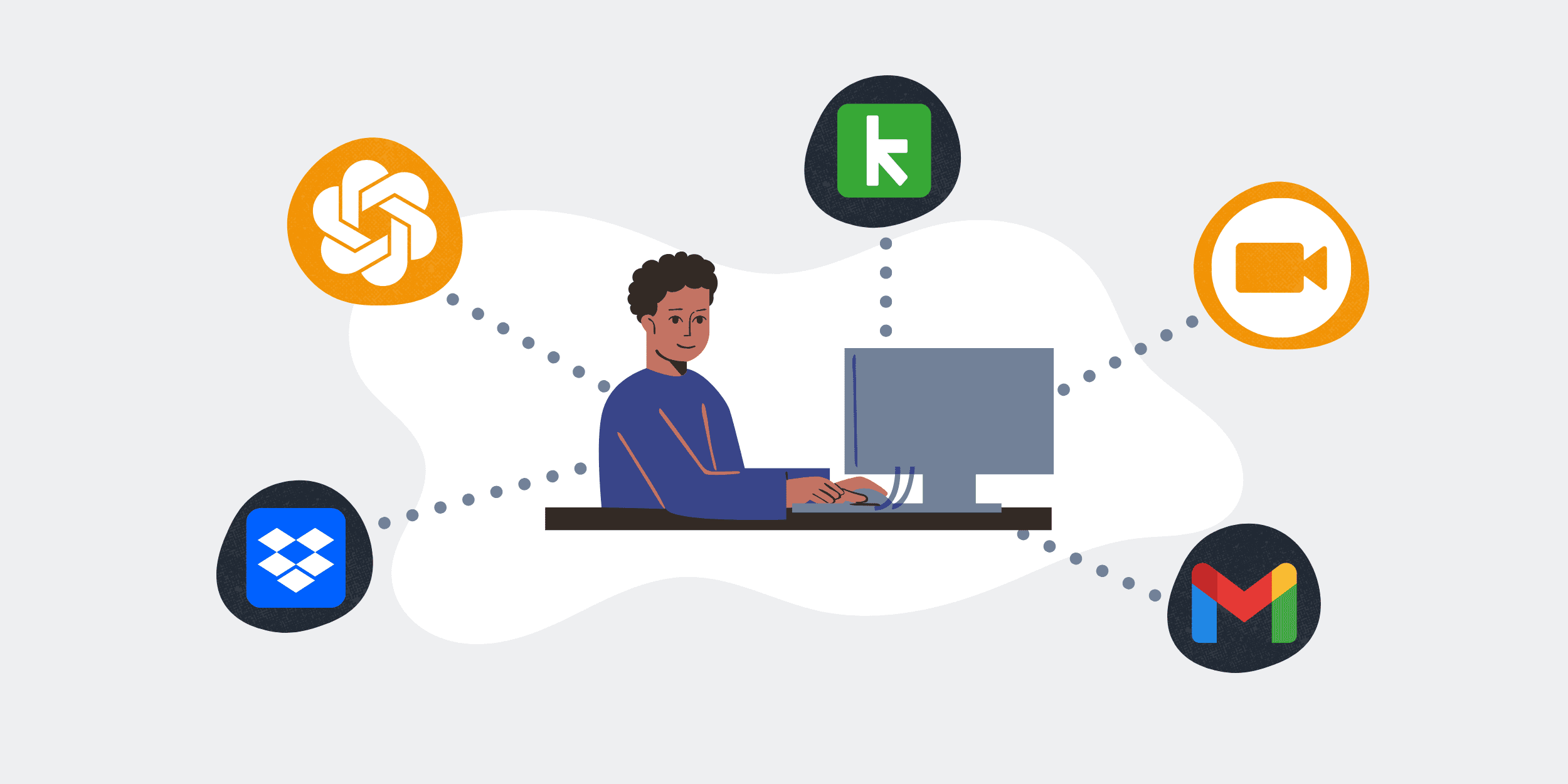
At 4Spot Consulting, we emphasize the critical importance of a “single source of truth.” This isn’t merely about consolidating databases; it’s about creating an intelligent, interconnected ecosystem where all relevant data converges, is harmonized, and remains consistently accurate across all departments. AI acts as the central nervous system for this ecosystem, continually monitoring, cleaning, and updating information in real-time. From CRM systems like Keap and HighLevel to HR platforms and operational dashboards, AI ensures that every piece of information is where it should be, when it should be, providing a unified, reliable view of your business’s health and performance. This unified data schema is essential for robust reporting, agile decision-making, and seamless scalability.
The 4Spot Consulting Approach: Operationalizing AI for Data
Our OpsMesh framework is designed specifically to tackle these challenges. We begin with an OpsMap™ diagnostic, a strategic audit that meticulously uncovers inefficiencies in your current data organization, identifies critical bottlenecks, and surfaces high-impact opportunities for AI and automation. This isn’t about throwing technology at a problem; it’s about a surgical, ROI-driven approach to data transformation.
During the OpsBuild phase, we implement bespoke AI solutions tailored to your unique data landscape. Using powerful low-code platforms like Make.com, we connect your disparate systems, automate data extraction and enrichment, and establish intelligent workflows that govern the flow and integrity of your information. This might involve automating resume parsing for HR, centralizing customer interaction data for sales, or streamlining financial reporting. The goal is always the same: to reduce low-value work for your high-value employees and ensure your data serves your strategic objectives, not hinders them. Post-implementation, our OpsCare services provide ongoing support and optimization, ensuring your AI-powered data infrastructure evolves with your business needs.
Real-World Impact: Saving Time and Boosting Productivity
The results of embracing AI for data organization are tangible and immediate. Businesses regularly report significant reductions in operational costs, often exceeding a 25% daily time saving for key personnel. The ability to access accurate, real-time data empowers leaders to make faster, more informed decisions, mitigating risks and seizing opportunities with greater confidence. Teams spend less time chasing data and more time analyzing it, fostering innovation and enhancing competitive advantage. When your data is organized, intelligent, and readily available, your business isn’t just surviving; it’s thriving and built for future scalability.
Ready to uncover automation opportunities that could save you 25% of your day? Book your OpsMap™ call today.
If you would like to read more, we recommend this article: The Future of Business Automation: Unlocking Efficiency with AI