Automating the Unseen: How AI is Reshaping Back-Office Efficiency
In the relentless pursuit of growth, many B2B companies find themselves inadvertently creating a complex web of manual processes behind the scenes. These unseen operational bottlenecks, often buried deep within back-office functions like HR, finance, and customer support, silently drain resources, introduce errors, and stifle scalability. While frontline innovation often takes center stage, the true battle for efficiency and competitive advantage is increasingly being won in the often-overlooked world of back-office automation powered by artificial intelligence.
For decades, businesses have grappled with the challenge of optimizing these crucial yet mundane tasks. Traditional approaches often involved throwing more human capital at the problem or implementing rigid, expensive enterprise resource planning (ERP) systems that struggle to adapt to unique business needs. The result? High operational costs, frustrated employees tied to repetitive data entry, and a persistent ceiling on how fast a company can truly expand without breaking under its own weight. This is where the strategic application of AI is not just a technological upgrade, but a fundamental shift in how businesses operate, turning cost centers into engines of productivity.
The Hidden Drag: Why Manual Back-Office Processes Limit Growth
Consider the daily reality for many organizations: HR teams manually processing applications, onboarding documents, and payroll adjustments; sales operations teams painstakingly updating CRM records and generating reports; or finance departments reconciling invoices and expense reports by hand. Each of these tasks, while seemingly small, aggregates into a monumental drain on time and resources. Beyond the sheer labor cost, manual processes are breeding grounds for human error. A single misplaced digit or overlooked step can cascade into significant compliance issues, financial discrepancies, or even damaged customer relationships. Furthermore, reliance on manual effort makes scaling exceptionally difficult. As transaction volumes increase, the demand for human intervention grows linearly, leading to hiring surges that don’t always translate to proportionate revenue growth.
This hidden drag prevents high-value employees from focusing on strategic initiatives. When your top talent is bogged down with administrative minutiae, innovation stalls, employee satisfaction plummets, and the business struggles to adapt to market changes. The promise of AI isn’t just about cutting costs; it’s about liberating human potential and reallocating intellectual capital to tasks that truly move the needle.
AI’s Transformative Role in Operational Excellence
Unlike basic robotic process automation (RPA) which mimics human clicks, AI brings intelligence to the equation. It can understand unstructured data, make decisions based on complex rules, and even learn and adapt over time. This capability is revolutionary for back-office functions. For instance, AI-powered systems can now intelligently parse incoming documents, extracting key information from contracts, invoices, or resumes with far greater accuracy and speed than any human. This data can then be automatically routed, categorized, and used to trigger subsequent workflows, all without manual intervention.
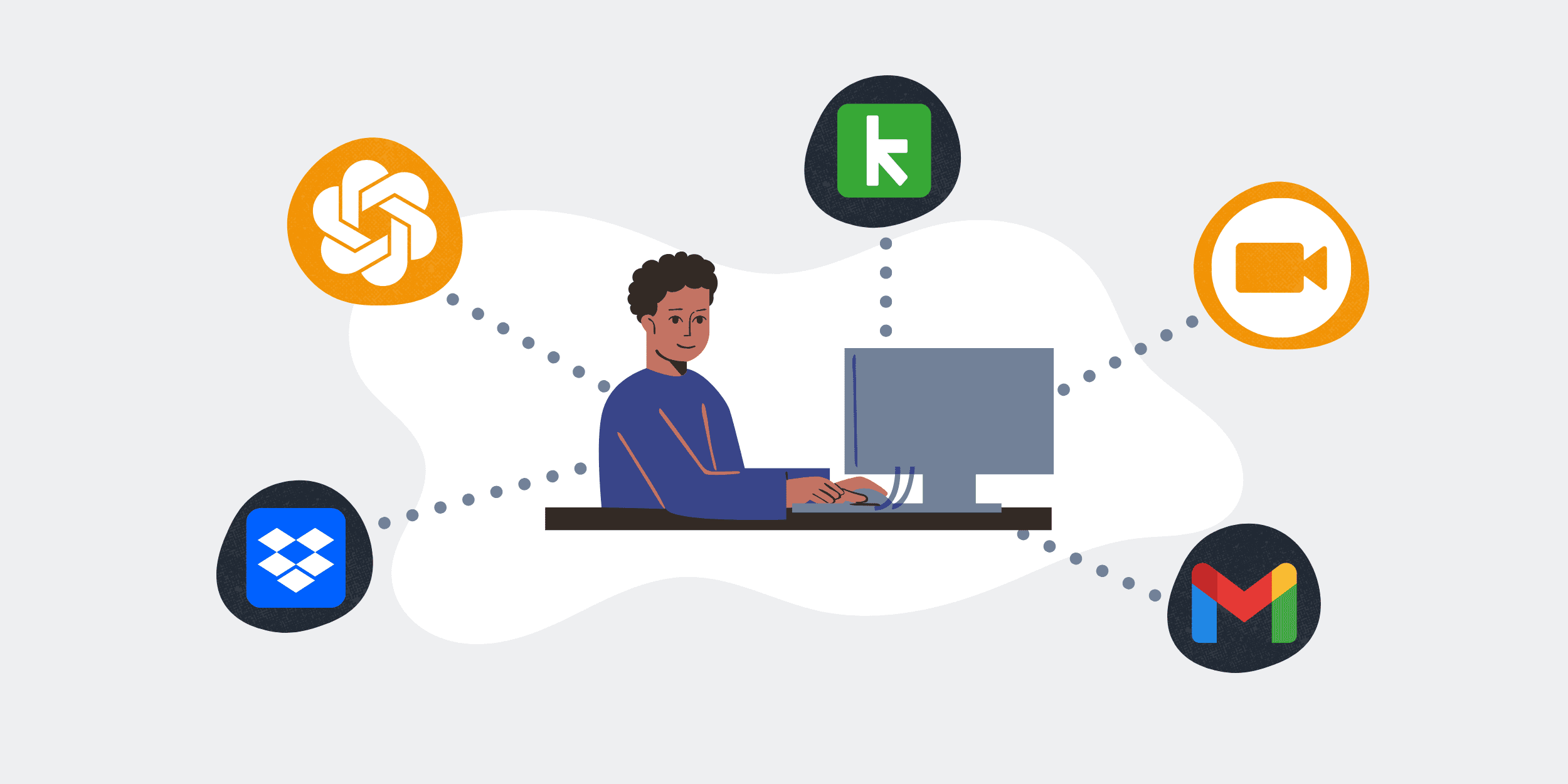
Imagine an HR department where AI automatically screens resumes for specific keywords and qualifications, prioritizes candidates, and even schedules initial interviews. Or a finance department where AI flags unusual transactions for fraud detection, automates invoice matching, and provides real-time insights into cash flow. These aren’t futuristic concepts; they are current realities being implemented by forward-thinking companies. By integrating AI with powerful automation platforms like Make.com, businesses can create robust, intelligent workflows that connect disparate systems, eliminating data silos and creating a single source of truth across their operations.
Real-World Impact: Efficiency, Scalability, and Strategic Focus
The measurable benefits of integrating AI into back-office operations are substantial. Companies frequently report significant reductions in operational costs, often exceeding 25% by automating repetitive tasks. Beyond cost savings, the increase in processing speed and accuracy means faster cycle times for critical business processes, leading to improved customer satisfaction and quicker decision-making. Moreover, with AI handling the routine, employees are empowered to engage in more creative, problem-solving, and relationship-building activities, leading to higher job satisfaction and lower turnover.
For example, we recently assisted an HR tech client facing massive inbound resume volumes. Manual processing was consuming over 150 hours per month, creating a significant bottleneck. By deploying an AI-powered automation solution using Make.com, we automated their resume intake, parsing, and enrichment process, directly syncing qualified data into their Keap CRM. This not only saved them over 150 hours monthly but also dramatically improved their time-to-hire and reduced human error, proving that intelligent automation directly impacts profitability and competitive edge. The client went from “drowning in manual work to having a system that just works,” underscoring the profound impact of strategic automation.
The 4Spot Consulting Approach: Strategic Automation for Tangible Results
At 4Spot Consulting, we understand that simply implementing technology is not enough. Our approach begins with a comprehensive strategic audit, our OpsMap™, to uncover deeply embedded inefficiencies and identify the most impactful automation opportunities within your existing systems. We then design and implement tailored AI-powered automation solutions through our OpsBuild™ phase, focusing on connecting your critical business tools (CRM, HRIS, accounting software, etc.) into a cohesive, intelligent ecosystem. Our goal is not just to build automations, but to architect systems that eliminate human error, reduce operational costs, and increase scalability, ultimately saving your team 25% of their day.
Ready to uncover automation opportunities that could save you 25% of your day? Our automation playbook starts with the OpsMap™—a strategic audit to uncover inefficiencies, surface opportunities, and roadmap profitable automations. This foundational step ensures that every solution we implement is tied directly to your ROI and business outcomes, not just ‘tech for tech’s sake.’ Let us help you transform your back office from a hidden drag into a dynamic driver of growth.
If you would like to read more, we recommend this article: The OpsMesh Framework: Building a Resilient Automation Strategy