Untangling the Web: Why Disconnected Business Systems are Costing You Millions (And How to Fix It)
Every business leader dreams of seamless operations, where data flows effortlessly, decisions are swift, and growth is unhindered. Yet, for many high-growth B2B companies, this vision remains just that—a vision. The reality is often a labyrinth of disconnected systems, manual data entry, and communication breakdowns that silently siphon away productivity, revenue, and employee morale. This isn’t just an inconvenience; it’s a fundamental drain on your business, a silent saboteur costing you far more than you realize.
At 4Spot Consulting, we’ve seen this scenario play out countless times. Companies invest heavily in CRM, HR platforms, accounting software, and project management tools, only to find these critical systems operating in isolation. The promise of efficiency is overshadowed by the friction of integration, creating bottlenecks that paralyze scale and prevent high-value employees from focusing on what truly matters.
The Pervasive Threat of Fragmented Operations
Imagine your sales team struggling to get real-time customer data from the support desk, or your HR department manually re-entering applicant information into an onboarding system. These aren’t isolated incidents; they’re symptoms of a deeper systemic issue: a lack of a single source of truth. When your operational data is scattered across multiple platforms, each with its own interface and data structure, human error becomes inevitable, reconciliation becomes a nightmare, and strategic insights are buried under mountains of disparate information.
This fragmentation extends beyond data. It impacts workflows, creating redundant tasks and forcing employees to context-switch constantly. The energy spent navigating disparate systems could be spent innovating, strategizing, or engaging with clients. Instead, valuable time is lost, opportunities are missed, and your competitive edge erodes.
Beyond the Surface: Hidden Costs and Missed Opportunities
Productivity Drain and Employee Frustration
The most immediate and tangible cost of disconnected systems is lost productivity. When employees spend hours transferring data, chasing approvals, or cross-referencing information, they’re not contributing to core business goals. This inefficiency doesn’t just impact their output; it fosters frustration and burnout. High-value employees, hired for their strategic thinking, are relegated to repetitive, low-value work. This leads to higher turnover, lower morale, and a significant drag on your team’s overall effectiveness.
Eroding Decision-Making and Agility
Accurate, timely data is the bedrock of intelligent business decisions. When your data is siloed, getting a holistic view of your operations, customer journeys, or financial health becomes a monumental task. Leaders are forced to make decisions based on incomplete or outdated information, increasing the risk of costly mistakes. In today’s fast-paced market, agility is paramount, and disconnected systems directly undermine your ability to adapt, innovate, and respond to changing conditions rapidly.
Compliance Risks and Security Vulnerabilities
Fragmented systems often mean inconsistent data governance and security protocols. Maintaining compliance with regulations like GDPR or HIPAA becomes a high-stakes challenge when customer or employee data resides in multiple, un-synced locations. Furthermore, each new system represents another potential vulnerability point if not properly integrated and secured, exposing your business to data breaches and reputational damage. Ensuring a “Single Source of Truth” is not just about efficiency, but about robust security and compliance.
Building a Single Source of Truth: The 4Spot Consulting Approach
The good news is that these challenges are solvable. At 4Spot Consulting, we specialize in transforming chaotic, disconnected operations into streamlined, automated ecosystems. Our core offering focuses on leveraging powerful low-code automation platforms like Make.com and integrating AI to create a unified operational framework.
From Chaos to Clarity: Our Proven Framework
Our approach isn’t about simply adding more software; it’s about strategic integration and optimization. We start with the OpsMap™, a strategic audit designed to uncover inefficiencies, surface hidden opportunities, and roadmap profitable automations specific to your business. This isn’t a theoretical exercise; it’s a deep dive into your existing processes to identify where fragmentation is costing you the most.
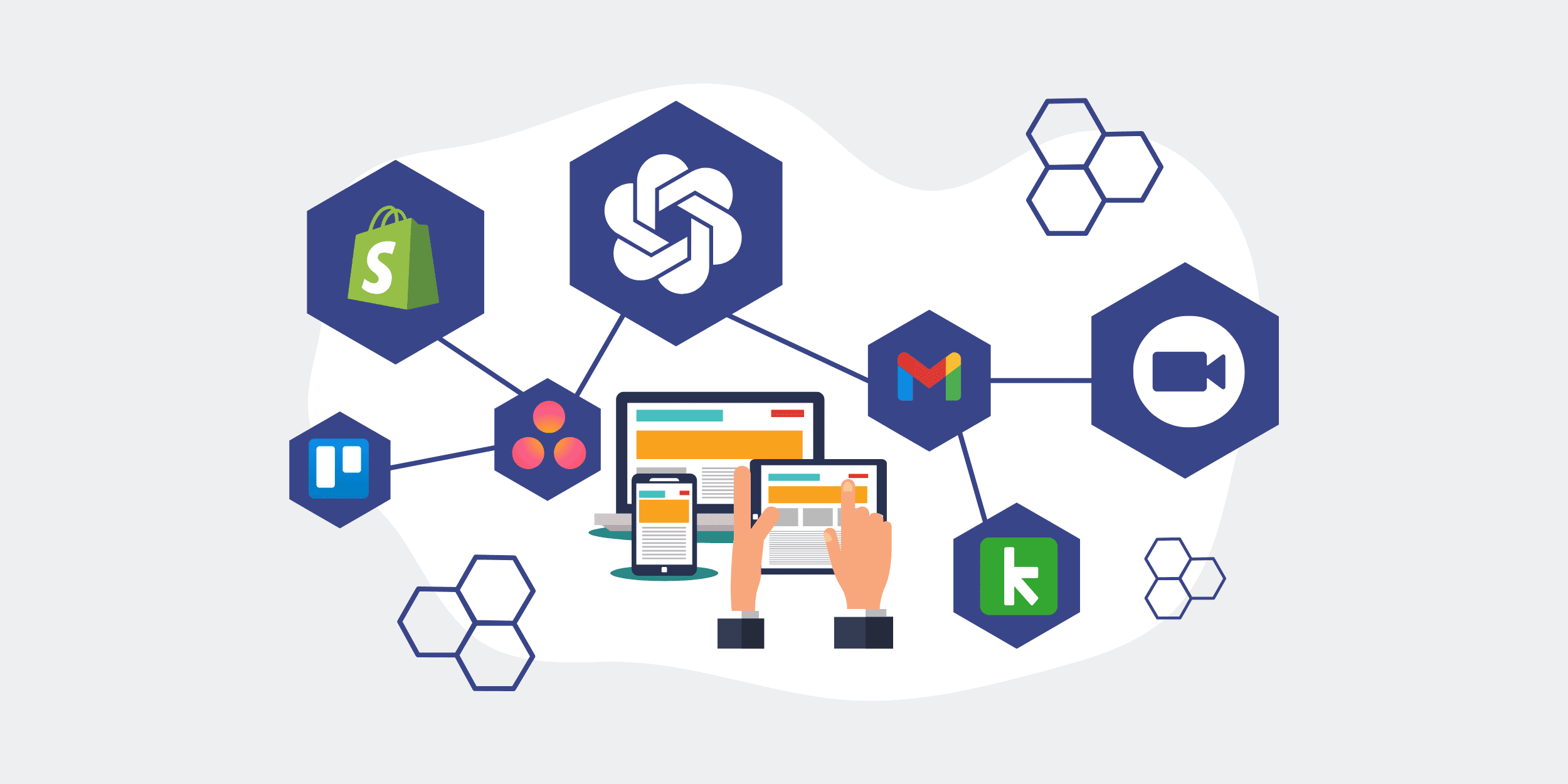
Following the OpsMap™, our OpsBuild phase brings these automations to life, connecting your critical systems—from CRMs like Keap and HighLevel to HR platforms and document management tools. We engineer solutions that eliminate manual data entry, ensure data integrity, and create true “Single Source of Truth” systems. The result is an integrated operational mesh, where information flows freely and processes execute autonomously, freeing your team from the shackles of repetitive tasks. And with OpsCare, we provide ongoing support and optimization, ensuring your automation infrastructure evolves with your business needs.
Reclaiming Your Day: The ROI of Integrated Operations
Imagine a world where your sales leads automatically sync from your website to your CRM, where new hires are onboarded with zero manual intervention, and where financial reports are generated with real-time accuracy. This isn’t a distant future; it’s the reality we build for our clients. By implementing smart automation and AI-powered operations, companies routinely save 25% or more of their workday, redirecting those hours towards growth, innovation, and strategic initiatives. This translates directly into reduced operational costs, increased scalability, and a significant boost in employee satisfaction.
Ready to uncover automation opportunities that could save you 25% of your day? Book your OpsMap™ call today.
If you would like to read more, we recommend this article: The Strategic Imperative of Automation: Why Every Business Leader Needs an OpsMap™