What to Look for in an AI Resume Parsing Solution: A Buyer’s Guide
In today’s hyper-competitive talent landscape, the volume of applications can quickly overwhelm even the most robust recruiting teams. The promise of AI resume parsing solutions, therefore, isn’t just about efficiency; it’s about strategic advantage. However, not all AI parsing tools are created equal, and discerning the wheat from the chaff requires a nuanced understanding of their capabilities and limitations. For HR leaders and recruitment directors looking to elevate their operational intelligence, choosing the right solution is a critical decision that impacts everything from time-to-hire to candidate experience.
Beyond Keywords: The Evolution of Intelligent Parsing
Early resume parsing tools were largely glorified keyword scanners, often missing context, nuance, and the true potential of a candidate. Modern AI parsing, however, has evolved significantly. When evaluating solutions, look for those that leverage Natural Language Processing (NLP) and machine learning not just to extract data, but to interpret it. This means the ability to understand variations in job titles, identify implied skills from experience descriptions, and even gauge the relevance of soft skills mentioned within narrative text. A truly intelligent parser moves beyond simple data fields, offering a contextual understanding of a candidate’s profile.
Consider the parser’s ability to handle unstructured data effectively. Resumes come in countless formats, with varying degrees of clarity and design. A superior AI solution can consistently extract accurate information regardless of layout, font, or common inconsistencies, minimizing the need for manual review or data correction. This robustness is a hallmark of a mature parsing engine and a critical factor in saving your team valuable time and reducing human error.
Integration Capabilities and Your Existing Tech Stack
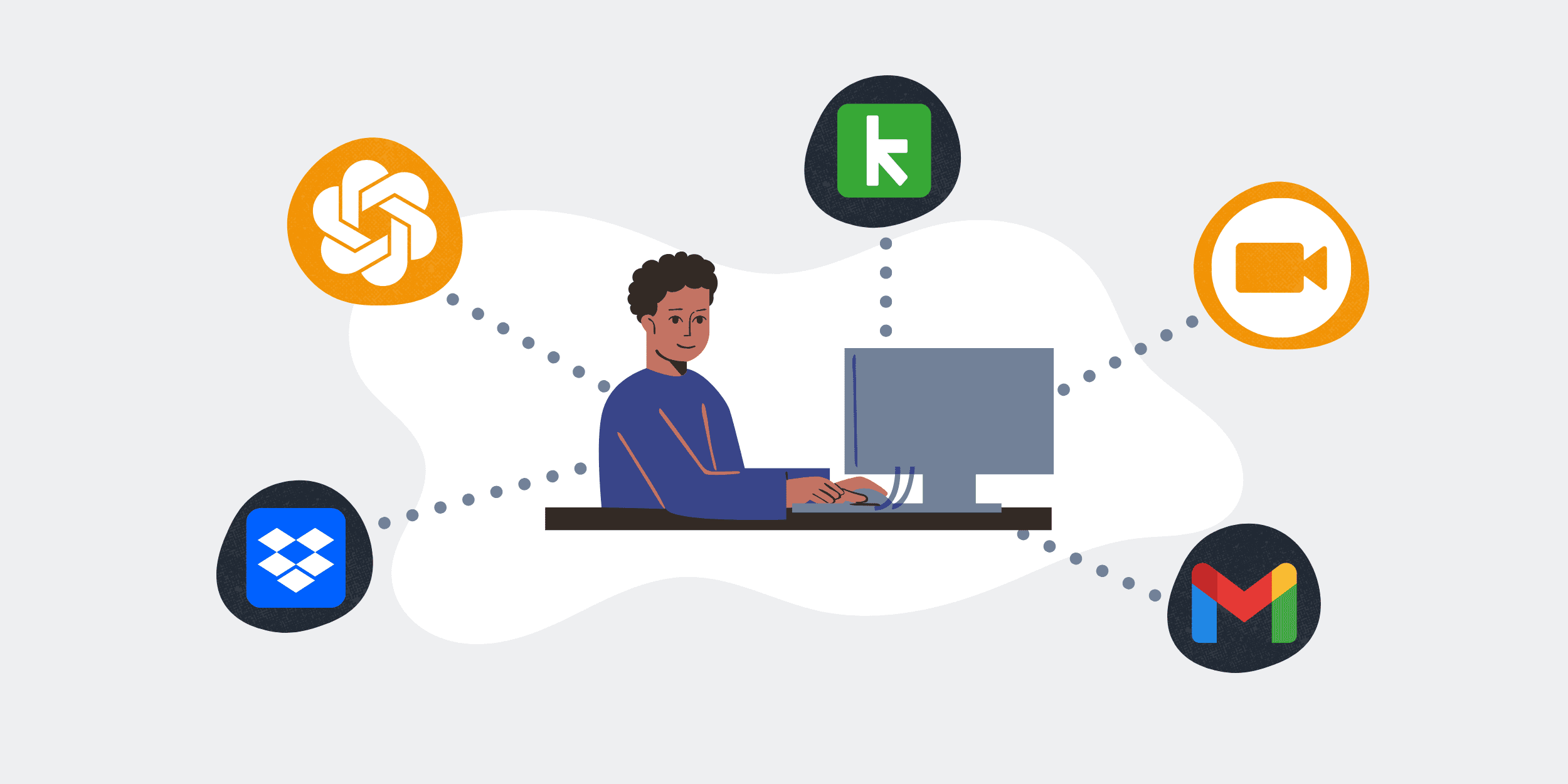
An AI resume parsing solution, however brilliant, is only as effective as its integration into your broader HR and recruiting tech ecosystem. A standalone parser that requires manual data transfer defeats much of its purpose. Prioritize solutions that offer robust APIs and pre-built connectors to your existing Applicant Tracking System (ATS), Customer Relationship Management (CRM) system (like Keap or HighLevel, if that’s what you’re using), and other HRIS platforms. The goal is a seamless flow of data, from candidate application to interview scheduling and beyond.
Think about the “single source of truth” principle. Your parsing solution should enrich your candidate database, not create fragmented data silos. For clients leveraging powerful automation platforms like Make.com, the ideal parsing tool will integrate effortlessly, allowing for custom workflows that automate everything from initial candidate screening to personalized follow-up emails based on parsed skills and experience. This level of connectivity is where true operational efficiency is unlocked, eliminating bottlenecks and freeing your high-value employees from low-value, repetitive tasks.
Accuracy, Bias Mitigation, and Data Security
Precision and Error Rates: A Non-Negotiable Foundation
The accuracy of an AI parser is paramount. Inaccurate data extraction leads to wasted time, missed opportunities, and potentially biased hiring decisions. Ask vendors for transparent metrics on their parsing accuracy across different resume formats and industries. While 100% accuracy is often an unrealistic expectation, a high degree of precision, particularly in critical data points like contact information, work history, and key skills, is essential. Also, inquire about their continuous learning capabilities—does the AI improve over time with more data, and how is that improvement managed?
Addressing Bias: A Commitment to Fair Hiring
AI, by its nature, learns from the data it’s fed. If that data contains historical biases, the AI can perpetuate them. A responsible AI resume parsing solution will actively address bias mitigation. This involves techniques to identify and neutralize gender-coded language, age-related terms, or other potentially discriminatory indicators, helping to ensure a more equitable and inclusive hiring process. Discuss with prospective vendors their approach to fairness, transparency, and explainability in their AI models.
Data Protection and Compliance: Safeguarding Sensitive Information
Resume data is inherently sensitive, containing personal identifiable information (PII). Robust data security measures are non-negotiable. Look for solutions that adhere to industry-best security practices, including data encryption (both in transit and at rest), strict access controls, and regular security audits. Crucially, ensure the vendor is compliant with relevant data protection regulations such as GDPR, CCPA, and any industry-specific mandates that apply to your organization. The integrity and security of your candidate data should be a top priority, protecting both your candidates and your organization from potential risks.
Scalability and Support: Growing with Your Needs
Finally, consider the long-term partnership. A good AI resume parsing solution should be scalable, capable of handling fluctuating application volumes as your business grows or during peak hiring seasons. Beyond the technology itself, evaluate the vendor’s support structure. What kind of training is provided? What are their response times for technical issues? A strong support team and a commitment to continuous improvement are vital for maximizing your investment and ensuring the solution remains a valuable asset as your operational needs evolve. Choosing wisely means not just solving today’s problems but building a resilient foundation for tomorrow’s talent acquisition challenges.
If you would like to read more, we recommend this article: The Essential Guide to CRM Data Protection for HR & Recruiting with CRM-Backup