6 Ways AI is Revolutionizing HR & Recruiting Efficiency
In today’s competitive business landscape, HR and recruiting departments often find themselves caught in a relentless cycle of manual, repetitive tasks. From sifting through mountains of resumes to scheduling interviews and managing onboarding paperwork, the sheer volume of administrative work can consume up to 25% of a high-value employee’s day. This not only saps productivity but also introduces human error, increases operational costs, and severely limits the capacity for strategic initiatives. For HR leaders, COOs, and Recruitment Directors in high-growth B2B companies, the challenge is clear: how do you scale your talent acquisition and management efforts without exponentially increasing your overhead or compromising quality?
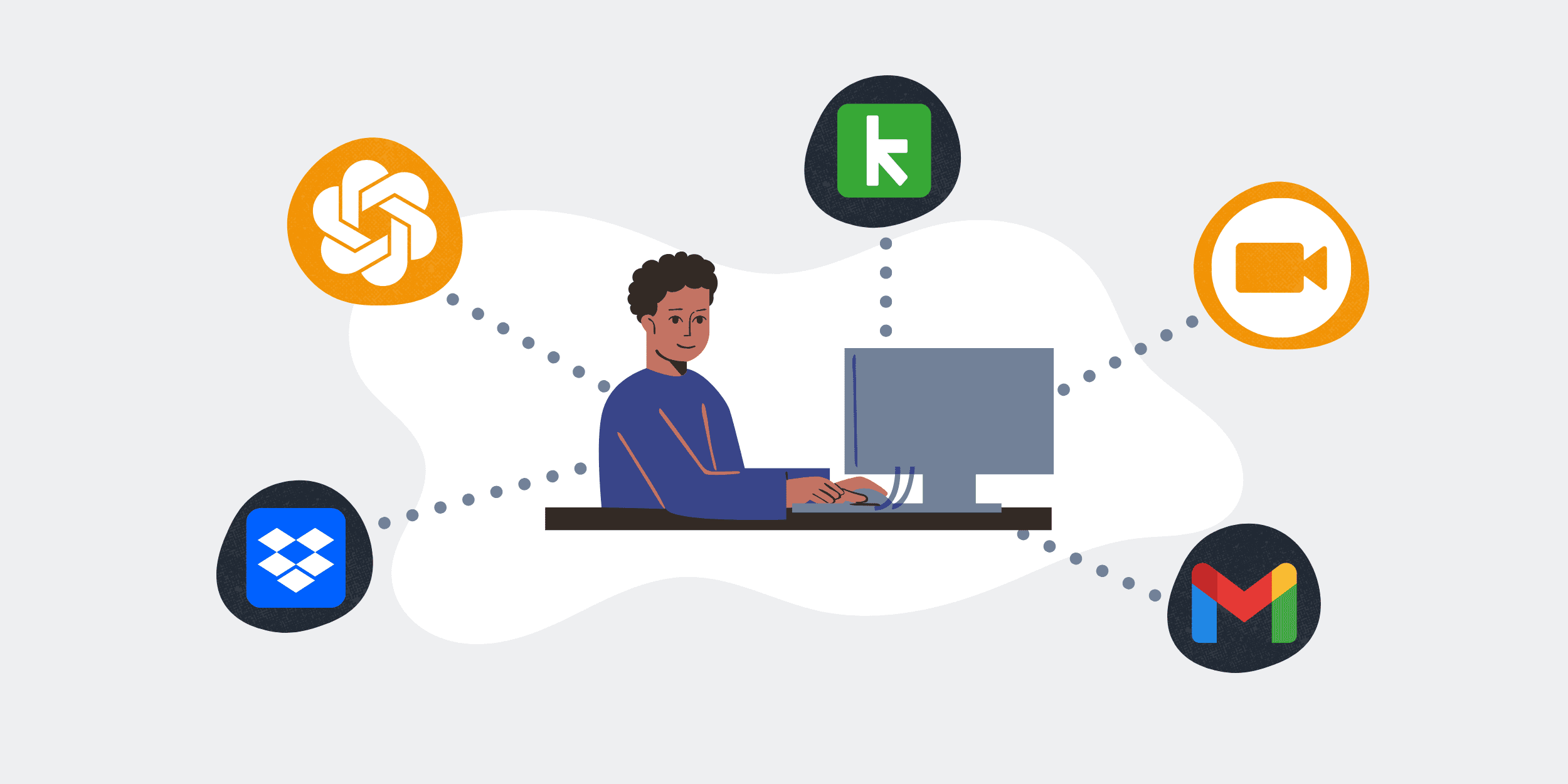
The answer lies in the intelligent integration of Artificial Intelligence. AI isn’t just a buzzword; it’s a transformative force capable of streamlining workflows, enhancing decision-making, and freeing up your team to focus on what truly matters – building relationships and fostering talent. At 4Spot Consulting, we’ve seen firsthand how AI, combined with robust automation platforms like Make.com, can turn an overburdened HR department into a lean, strategic powerhouse. This isn’t about replacing people; it’s about empowering them to do their best work by offloading the mundane. By strategically deploying AI, organizations can eliminate human error, drastically reduce operational costs, and lay the foundation for scalable growth. Let’s explore six practical applications where AI is making the biggest impact on HR and recruiting efficiency right now.
1. AI-Powered Candidate Sourcing & Screening
The initial stages of talent acquisition, sourcing and screening, are notoriously time-consuming and often riddled with bias. Traditional methods involve recruiters manually searching job boards, LinkedIn profiles, and company databases, followed by a subjective review of resumes. This process is not only inefficient but can also lead to missed opportunities for diverse talent and a significant expenditure of high-value employee time. AI-powered sourcing and screening tools fundamentally change this paradigm. These systems can autonomously scan vast databases of candidates – far beyond what any human team could manage – identifying individuals whose skills, experience, and even potential cultural fit align with specific job requirements. Leveraging natural language processing (NLP), AI can parse thousands of resumes and cover letters in minutes, extracting relevant keywords, identifying patterns, and ranking candidates based on predefined criteria, significantly reducing the initial candidate pool to only the most qualified.
Furthermore, AI algorithms can learn and adapt, continuously refining their understanding of what makes a successful hire within an organization. They can flag candidates who might otherwise be overlooked due to non-traditional backgrounds but possess highly relevant transferable skills. This not only accelerates the sourcing process but also introduces a level of objectivity that mitigates unconscious bias, leading to more diverse and equitable hiring outcomes. Imagine a system integrated with your existing CRM, like Keap, that automatically sources candidates from various platforms, enriches their profiles with publicly available data, and then presents a ranked list, all while keeping your data organized and up-to-date. This frees up recruiters from tedious manual searches, allowing them to engage with promising candidates sooner and focus on the human aspects of relationship building.
2. Automated Interview Scheduling & Pre-screening Assessments
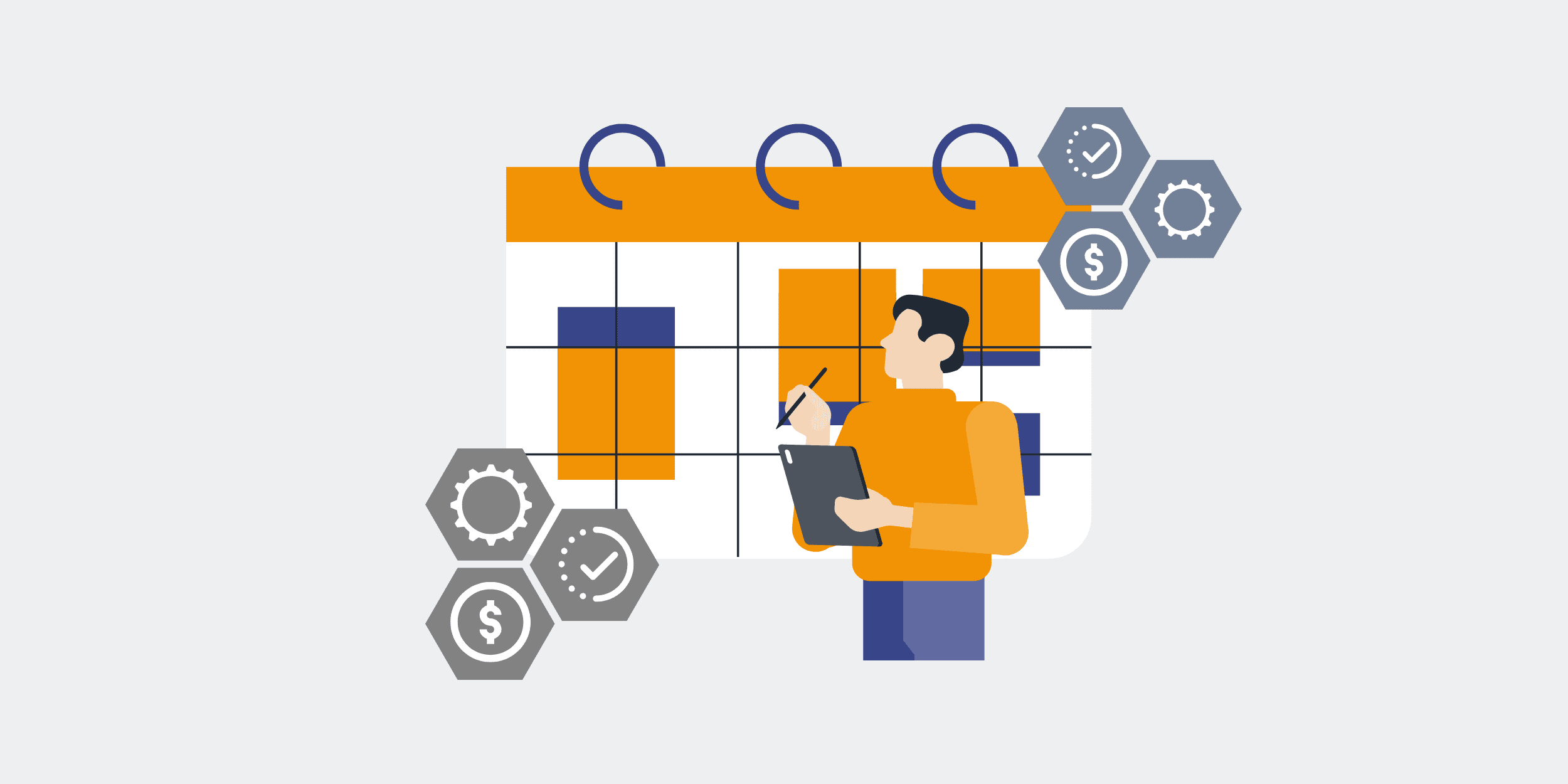
Once a promising candidate has been identified, the next hurdle is often the logistical nightmare of interview scheduling and initial pre-screening. The back-and-forth emails, calendar clashes, and time zone differences can turn a simple task into a multi-day ordeal, often leading to candidate drop-off due to a clunky experience. AI is transforming this administrative bottleneck by taking over the entire scheduling process. AI-powered scheduling assistants can communicate directly with candidates via email or SMS, find mutually agreeable times based on interviewer availability, and automatically send calendar invitations with video conference links. This not only provides a seamless, professional experience for the candidate but also saves countless hours for recruiters and hiring managers who would otherwise be engaged in coordination. Integration with tools like Make.com can ensure these scheduling automations are connected to your ATS and team calendars effortlessly.
Beyond scheduling, AI also enhances the pre-screening assessment phase. Instead of generic questionnaires, AI-driven chatbots or virtual assistants can conduct initial conversational interviews, asking tailored questions based on job requirements and candidate responses. These bots can analyze responses for keywords, tone, and even emotional intelligence, providing valuable insights before a human ever speaks to the candidate. For technical roles, AI can administer coding challenges or situational judgment tests, automatically scoring responses and flagging top performers. This dramatically reduces the time spent on unqualified candidates, allowing hiring teams to focus their efforts on those who truly fit the bill. The result is a faster, more efficient, and data-driven pre-screening process that ensures valuable human time is reserved for critical decision-making conversations.
3. Personalized Onboarding & Training Pathways
The journey doesn’t end when an offer is accepted; a robust and engaging onboarding experience is critical for employee retention and productivity. However, traditional onboarding can be a manual, fragmented process involving endless paperwork, generic training modules, and inconsistent communication, often leaving new hires feeling overwhelmed or underprepared. AI provides a powerful solution by enabling hyper-personalized onboarding and training pathways, ensuring every new employee receives the specific information and resources they need, precisely when they need them. AI can dynamically generate customized onboarding checklists and tasks based on the employee’s role, department, and even learning style, ensuring nothing is missed. Automated document management, powered by AI and integrated with tools like PandaDoc, can streamline the completion and storage of contracts, policies, and benefit forms, eliminating paper and reducing human error.
Furthermore, AI-powered virtual assistants can act as an immediate point of contact for new hires, answering frequently asked questions about company policies, IT setup, or team structures, available 24/7. This reduces the burden on HR and managers, allowing them to focus on more complex, high-touch interactions. For ongoing training and development, AI can analyze an employee’s performance data, career goals, and skill gaps to recommend personalized learning modules, courses, or mentors. This ensures continuous growth and skill enhancement, directly contributing to employee engagement and long-term retention. By automating and personalizing the onboarding and training experience, companies can accelerate time-to-productivity for new hires, foster a sense of belonging, and build a highly skilled workforce more efficiently.
4. Enhancing Employee Engagement & Retention Through Predictive Analytics
Beyond recruitment and onboarding, AI is proving to be an invaluable asset in understanding and improving employee engagement and retention. One of the costliest issues for any business is high employee turnover, often due to preventable factors that go unnoticed until it’s too late. AI can act as an early warning system, analyzing a myriad of data points to predict potential flight risks and identify factors contributing to disengagement. This data can include survey responses, performance reviews, communication patterns (anonymized and aggregated for privacy), training completion rates, and even sentiment analysis from internal communications platforms. By identifying patterns and anomalies, AI can flag employees who might be at risk of leaving, allowing HR to intervene proactively with targeted support, mentorship, or career development opportunities.
Moreover, AI can help tailor employee engagement initiatives. Instead of one-size-fits-all programs, AI can segment the workforce and recommend personalized engagement strategies, whether it’s specific recognition programs, flexible work arrangements, or tailored wellness initiatives. For example, if AI identifies a trend of decreased engagement in a particular department related to workload, HR can suggest specific automation solutions or resource reallocation, directly addressing the root cause. This predictive capability transforms HR from a reactive function to a proactive, strategic partner in talent management. By understanding and addressing the nuances of employee satisfaction and potential dissatisfaction, organizations can significantly improve retention rates, foster a more positive work environment, and ensure that their most valuable assets—their people—remain engaged and committed.
5. Optimizing Workforce Planning & Resource Allocation
Effective workforce planning is crucial for business scalability and profitability, yet it often relies on historical data and gut feelings, leading to inefficient resource allocation and potential skill gaps. AI brings a new level of precision and foresight to this complex challenge. By analyzing internal data (such as past hiring trends, project completion rates, employee skills matrices) combined with external market data (industry trends, economic forecasts, talent availability), AI can provide highly accurate predictions for future talent needs. This includes identifying anticipated skill shortages, forecasting peak demands for specific roles, and even recommending optimal team structures to achieve strategic objectives. For example, if a company plans to expand into a new market or launch a new product, AI can predict the types and number of roles required, along with the timeline for hiring, ensuring that the right talent is available when needed.
Beyond forecasting, AI can also optimize the allocation of existing human resources. By analyzing employee skills, project requirements, and individual workloads, AI can suggest optimal team compositions for new projects, ensuring that expertise is leveraged effectively and workloads are balanced. This prevents burnout and maximizes productivity. Furthermore, AI can identify underutilized skills within the organization, recommending training or redeployment opportunities that enhance employee development and internal mobility. This proactive approach to workforce planning, powered by AI, enables organizations to make data-driven decisions about recruitment, training, and internal assignments, eliminating waste, reducing operational costs, and ensuring the business is agile and prepared for future growth. It moves HR from reactive hiring to strategic talent ecosystem management, directly impacting the bottom line.
6. Ensuring Compliance & Mitigating HR-Related Risks
The regulatory landscape for HR is constantly evolving, with new laws and compliance requirements emerging regularly. Staying on top of these changes manually is a monumental task, and failure to comply can lead to significant fines, legal challenges, and reputational damage. AI offers a powerful solution for automating compliance monitoring and mitigating HR-related risks, transforming a reactive burden into a proactive safeguard. AI systems can continuously monitor legal and regulatory updates at local, national, and international levels, automatically identifying changes that impact an organization’s HR policies and practices. This proactive alert system ensures that HR teams are always informed and can adapt their procedures before issues arise. For instance, an AI tool could flag a new data privacy regulation affecting employee information, prompting a review of current data handling protocols.
Moreover, AI can automate the auditing of internal HR processes to ensure adherence to company policies and legal requirements. This includes verifying that all necessary disclosures are made, training modules are completed, and records are properly maintained. By scanning documents and databases, AI can identify inconsistencies or potential non-compliance issues much faster and more accurately than human auditors. It can also assist in managing employee data securely and ensuring that access complies with privacy regulations. For organizations operating across multiple jurisdictions, AI can manage the complexity of varying labor laws, ensuring that employment contracts, compensation structures, and workplace policies are compliant everywhere. This robust, AI-powered risk management not only protects the company from costly legal pitfalls but also builds trust among employees by demonstrating a commitment to fair and lawful practices, ultimately saving the business considerable time, resources, and potential liabilities.
The strategic integration of AI into HR and recruiting is no longer a futuristic concept—it’s a present-day imperative for high-growth B2B companies looking to eliminate human error, reduce operational costs, and increase scalability. From automating candidate sourcing to personalizing onboarding and predicting retention risks, AI empowers HR professionals to move beyond administrative tasks and become true strategic partners in organizational success. At 4Spot Consulting, we specialize in helping businesses like yours leverage AI and automation, ensuring every solution is tied directly to measurable ROI and business outcomes. This isn’t just about adopting new tech; it’s about transforming your operations to save you 25% of your day and drive unprecedented efficiency.
If you would like to read more, we recommend this article: The Future of HR: Comprehensive Automation Strategies