The Hidden Cost of Manual Recruitment: Why Your Best Candidates Disappear
In today’s competitive talent landscape, every moment counts. Business leaders understand the critical role talent plays in growth, yet many overlook the silent killer of recruitment efficiency: manual processes. It’s not just about filling a role; it’s about attracting, engaging, and securing the best talent before they move on. For too long, the inherent inefficiencies in human resources and recruitment operations have been accepted as the cost of doing business. But what if those accepted costs are actively driving away your top candidates and hindering your ability to scale?
At 4Spot Consulting, we speak directly to business leaders who prioritize outcomes and profitability. We’ve seen firsthand how an over-reliance on manual tasks – from resume screening and interview scheduling to candidate follow-up and data entry – creates bottlenecks that are both costly and detrimental to the candidate experience. This isn’t theoretical; we’ve helped countless organizations, particularly those in high-growth B2B sectors, identify and eliminate these drainages, saving them 25% of their day.
The Invisible Drain: How Manual Processes Deter Top Talent
Think about the journey a top candidate takes. They’re likely interviewing with multiple companies, and their time is valuable. Every delayed email, every rescheduled interview due to a manual oversight, every instance of having to repeat information chips away at their enthusiasm. This isn’t merely an inconvenience; it communicates a lack of professionalism and efficiency that reflects poorly on your organization. In the race for talent, the company that provides the smoothest, most respectful, and most transparent experience often wins.
Manual recruitment processes lead to a cascade of problems:
- **Increased Time-to-Hire:** The longer a process takes, the more opportunities a candidate has to accept an offer elsewhere.
- **Candidate Ghosting:** A direct result of poor communication, delays, and a perceived lack of engagement from the hiring team. Candidates disengage when they feel lost in a black hole.
- **Recruiter Burnout:** High-value employees are bogged down with low-value administrative tasks, diverting their strategic focus and leading to exhaustion and turnover within your own team.
- **Human Error:** From scheduling conflicts to data entry mistakes, manual input is prone to errors that can disrupt the entire hiring flow and even lead to compliance issues.
- **Lack of Scalability:** As your business grows, these manual processes break under pressure, making it impossible to scale your recruitment efforts without a proportionate, unsustainable increase in headcount.
Beyond the Band-Aid: A Strategic Approach to Recruitment Automation
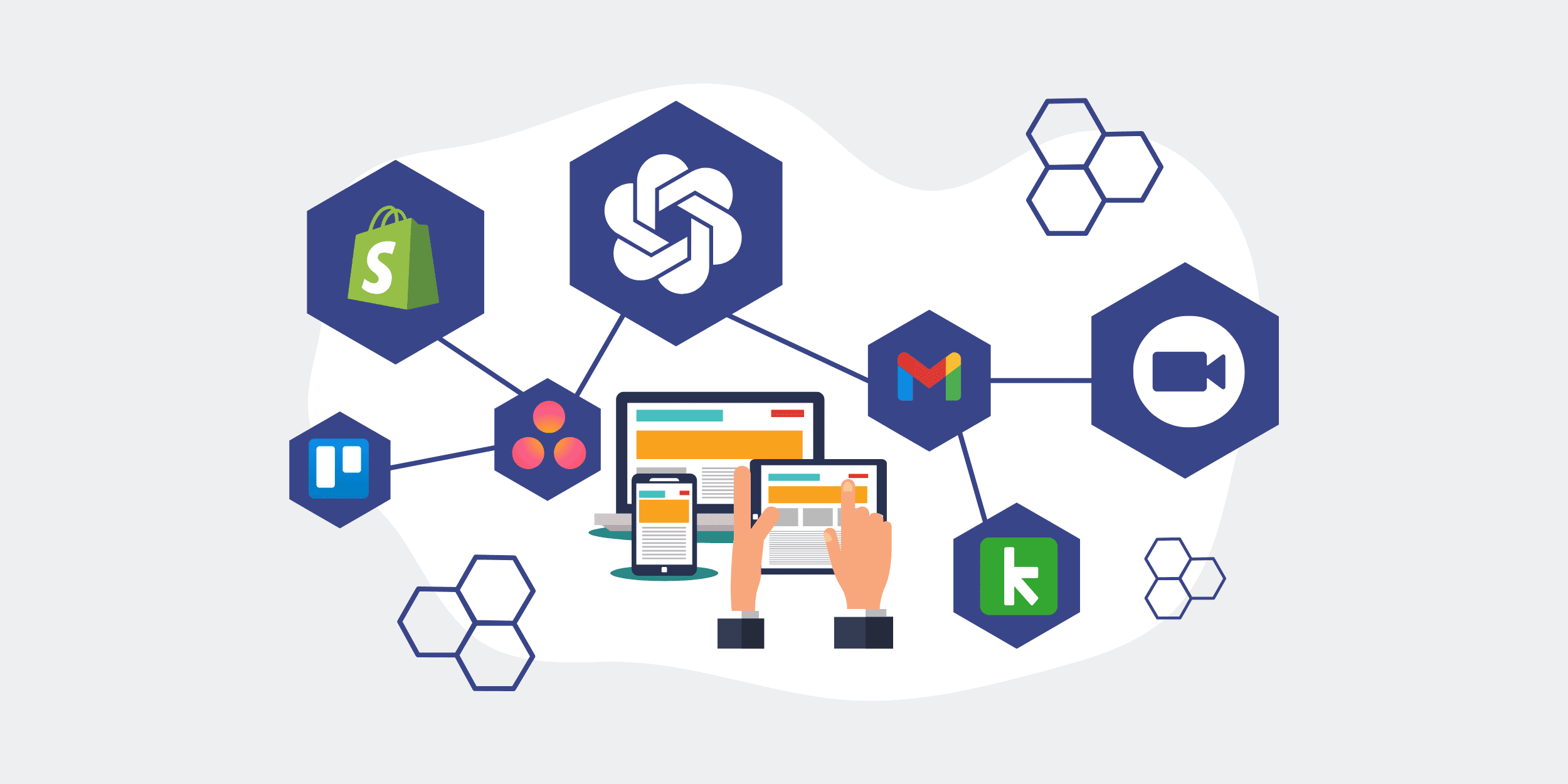
Many businesses attempt to fix these issues with piecemeal solutions or by simply adding more staff. However, true efficiency and scalability come from a strategic integration of automation and AI. This is where 4Spot Consulting’s OpsMesh framework comes into play. It’s an overarching strategy designed to weave together your disparate systems and processes into a cohesive, automated ecosystem. We don’t just implement tools; we engineer solutions that eliminate human error, reduce operational costs, and build a recruitment process that can grow with your business.
Our work typically begins with an OpsMap™ diagnostic. This isn’t a simple software demo; it’s a deep-dive audit to uncover the precise inefficiencies costing your business time and money. We identify where manual effort is wasted, where critical data is siloed, and where automation can deliver the most significant ROI. This strategic foresight ensures that any solution implemented is purpose-built to address your unique pain points.
Consider the impact of automating the mundane: instant candidate acknowledgements, automated resume parsing and initial screening, intelligent interview scheduling that syncs directly with calendars, and personalized follow-up sequences. These aren’t futuristic concepts; they are realities we implement daily using tools like Make.com, AI enrichment, and robust CRM systems like Keap.
Realizing the ROI: From Bottleneck to Breakthrough
The benefits extend far beyond simply saving time. With an automated recruitment pipeline, you gain:
- **Superior Candidate Experience:** Responsive, transparent, and seamless interactions keep candidates engaged and leave a positive impression, regardless of the hiring outcome.
- **Faster Time-to-Hire:** Streamlined processes mean you can move top talent through your pipeline quicker, securing them before competitors.
- **Reduced Operational Costs:** Less manual work means fewer hours spent on administrative tasks, freeing up your high-value recruiters to focus on strategic sourcing and candidate engagement.
- **Enhanced Data Integrity:** Automated data capture and synchronization eliminate errors and create a single source of truth for all candidate information, crucial for compliance and reporting.
- **Scalability and Resilience:** Your recruitment process becomes robust and adaptable, capable of handling increased volume without breaking down.
We recently assisted an HR tech client facing significant delays and manual overhead in their resume intake. By implementing a custom automation solution using Make.com and AI to parse and enrich resumes before syncing them to Keap CRM, they saved over 150 hours per month. The feedback was unequivocal: “We went from drowning in manual work to having a system that just works.” This kind of transformation is the core of what we do.
The choice is clear: continue to absorb the hidden costs of manual recruitment and watch your best candidates disappear, or embrace the power of strategic automation and AI. For high-growth B2B companies, leveraging these technologies isn’t just about efficiency; it’s about competitive advantage and securing the talent that will drive your next stage of growth.
If you would like to read more, we recommend this article: Reducing Candidate Ghosting & Improving ROI with Automated Scheduling