What’s Next for AI Resume Parsing? Trends to Watch in HR Tech
The landscape of HR and recruiting is in constant flux, driven by technological advancements that promise to streamline processes and elevate the human element. Among these innovations, AI resume parsing has already made a significant impact, transforming the initial screening stages from a tedious, manual chore into a more efficient, data-driven operation. Yet, for leaders in HR, recruitment, and operations, the question isn’t just about what AI parsing currently offers, but rather, “What’s next?” As consultants who specialize in leveraging automation and AI to save businesses 25% of their day, we’ve seen firsthand how crucial it is to anticipate these shifts. The future of AI resume parsing isn’t just about speed; it’s about depth, ethics, personalization, and seamless integration, fundamentally reshaping how talent is discovered and engaged.
Beyond Keywords: The Rise of Contextual Understanding
Current AI resume parsing excels at keyword matching and extracting structured data. However, the next generation will move far beyond this superficial analysis. We are on the cusp of truly semantic parsing, where AI understands the nuances of language, context, and implied skills. This means moving past simply identifying “project management” to understanding the scope, impact, and specific methodologies used in those projects, even if not explicitly stated. Expect AI to infer soft skills, leadership potential, and cultural fit by analyzing descriptions of responsibilities and achievements, not just job titles.
This deeper understanding will lead to a significant reduction in false positives and negatives, ensuring that truly qualified candidates aren’t overlooked due to minor keyword discrepancies, and unqualified ones aren’t prioritized based on buzzwords alone. For organizations, this translates into higher quality shortlists, faster time-to-hire, and a more accurate prediction of candidate success. It’s about getting to the essence of a candidate’s capability, which is a game-changer for businesses seeking to eliminate human error and reduce operational costs.
Hyper-Personalization and Candidate Experience
The future of AI resume parsing isn’t just about what happens behind the scenes; it profoundly impacts the candidate experience. Imagine an AI that not only parses a resume but uses that information to immediately tailor the application process. This could involve dynamically adjusting subsequent questions based on identified strengths, suggesting relevant roles, or providing personalized feedback on missing information. AI-powered chatbots, informed by the parsed resume, could offer real-time answers to candidate queries, making the application process more engaging and less frustrating.
This level of hyper-personalization transforms a often impersonal process into a more human-centered journey, even with increased automation. It aligns perfectly with our philosophy at 4Spot Consulting: using technology to free up high-value employees from low-value work, allowing them to focus on genuine human connection when it matters most. A superior candidate experience not only attracts top talent but also enhances an organization’s employer brand, a critical asset in today’s competitive market.
Ethical AI and Bias Mitigation
As AI becomes more sophisticated, so too must our commitment to ethical considerations. The next wave of AI resume parsing will heavily emphasize bias mitigation and explainable AI (XAI). This means developing algorithms that are not only efficient but also fair, transparent, and auditable. AI systems will need to demonstrate why a particular candidate was ranked or flagged, providing clear, data-backed justifications rather than operating as black boxes.
Regulations around AI ethics are evolving, and proactive companies will adopt solutions that prioritize fairness, ensuring diversity and inclusion remain at the forefront of their hiring strategies. We advise our clients to look for AI tools that offer robust audit trails and continuous monitoring for bias, integrating these checks into their overarching OpsMesh automation strategies. This isn’t just about compliance; it’s about building a reputation as an equitable employer.
Integration with Broader HR Ecosystems
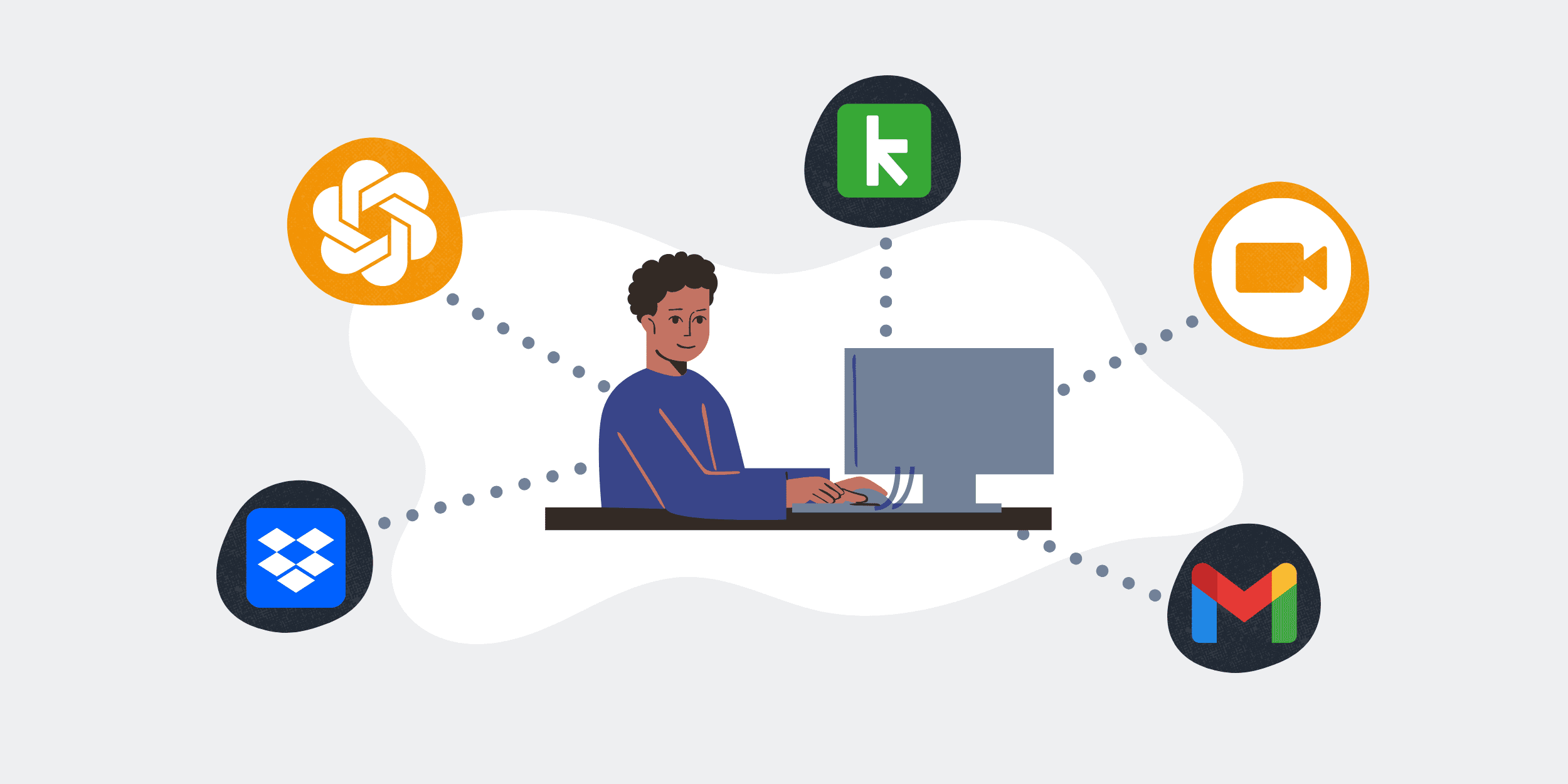
Standalone AI parsing tools will become a relic of the past. The future lies in deep, seamless integration with existing HR tech stacks – Applicant Tracking Systems (ATS), Customer Relationship Management (CRM) platforms like Keap and HighLevel, HR Information Systems (HRIS), and even payroll systems. AI resume parsing will feed directly into these systems, enriching candidate profiles, populating fields, and triggering subsequent automated workflows.
This interconnectedness, often orchestrated through powerful integration platforms like Make.com, creates a true “Single Source of Truth” for candidate data. It eliminates manual data entry, reduces errors, and ensures that all departments operate with the most current and comprehensive information. For organizations with $5M+ ARR, this level of automation is not a luxury; it’s a necessity for scalability and maintaining a competitive edge. We helped an HR tech client save over 150 hours per month by automating their resume intake and parsing process using Make.com and AI enrichment, then syncing to Keap CRM. As they put it, “We went from drowning in manual work to having a system that just works.”
The Human Element: AI as an Augmentation Tool
It’s crucial to reiterate that the evolution of AI resume parsing is not about replacing human recruiters or HR professionals. Instead, it’s about augmenting their capabilities, freeing them from the administrative burden of initial screening so they can focus on strategic engagement, building relationships, and making informed hiring decisions. By handling the heavy lifting of data extraction and initial qualification, AI empowers recruiters to spend more time interviewing, assessing soft skills, and ensuring cultural fit – tasks that require uniquely human intuition and judgment.
This shift allows high-value employees to focus on high-value work, aligning perfectly with our core offering at 4Spot Consulting. We believe AI should serve as a strategic partner, enabling teams to hire faster, smarter, and more profitably by eliminating bottlenecks and leveraging automation.
Proactive Adaptation is Key
The next iteration of AI resume parsing promises a more intelligent, ethical, and integrated approach to talent acquisition. For HR leaders, COOs, and recruitment directors, understanding these trends isn’t enough; proactive adaptation is key. It’s about evaluating current systems, identifying areas ripe for intelligent automation, and planning for a future where AI isn’t just a tool, but a strategic partner in talent management. Our OpsMap™ diagnostic is designed to do just that – uncover inefficiencies and roadmap profitable automations before a single line of code is written.
If you would like to read more, we recommend this article: Strategic CRM Data Restoration for HR & Recruiting Sandbox Success