Why Manual Interview Scheduling is Costing Your Business More Than You Think
In the fast-paced world of talent acquisition, every minute counts. Yet, many organizations find themselves trapped in a time-consuming, costly cycle of manual interview scheduling. What often seems like a minor administrative task is, in reality, a silent killer of productivity, candidate experience, and ultimately, your bottom line. At 4Spot Consulting, we speak with countless business leaders who are grappling with the hidden inefficiencies of their recruitment processes, often unaware of just how much manual scheduling is costing them.
The problem begins subtly. A recruiter spends an hour coordinating schedules for a single candidate across multiple interviewers. Multiply that by dozens or hundreds of candidates each month, and you’re looking at a significant drain on valuable resources. This isn’t just about the recruiter’s time; it’s about the lost opportunity cost, the frustration of hiring managers, and the erosion of a positive candidate journey. It’s a system ripe for error, delay, and a significant competitive disadvantage.
The Tangible and Intangible Costs of Manual Scheduling
The impact of antiquated scheduling methods extends far beyond a busy calendar. Let’s break down the real costs your business is likely incurring:
Lost Productivity and Recruiter Burnout
Recruiters are your frontline ambassadors, and their time is best spent engaging with candidates, building relationships, and strategizing talent acquisition. Instead, a disproportionate amount of their day is consumed by email chains, phone tag, and calendar cross-referencing. This isn’t high-value work; it’s operational friction. This constant administrative burden leads to burnout, reduces the number of candidates a recruiter can effectively manage, and often results in slower hiring cycles.
Consider the cumulative effect: if each interview interaction requires 15-30 minutes of coordination across multiple touchpoints, a single role with four interviews could easily consume hours of a recruiter’s week. This bandwidth is better spent on proactive sourcing, candidate nurturing, or strategic planning rather than logistical gymnastics.
Eroding Candidate Experience and Increased Ghosting
In today’s competitive talent market, candidates expect a seamless, professional experience. Manual scheduling often introduces delays, miscommunications, and a perception of disorganization. Long waits between interview stages or clumsy back-and-forth emails can lead to candidate frustration, causing top talent to disengage or accept offers elsewhere. This phenomenon, known as candidate ghosting, is directly exacerbated by inefficient processes. If a candidate has a choice between two companies, and one offers a frictionless, self-service scheduling experience while the other requires multiple email exchanges, which one do you think leaves a better impression? The answer is clear.
Operational Inefficiency and Scalability Bottlenecks
As your business grows, so does your need for talent. Manual scheduling simply doesn’t scale. What might be manageable for a handful of hires becomes an insurmountable hurdle when you’re trying to onboard dozens. Each manual step represents a potential bottleneck, slowing down time-to-hire and preventing your company from capitalizing on market opportunities. Furthermore, human error inevitably creeps into manual systems – double bookings, forgotten invitations, or incorrect time zones – leading to a cascade of negative consequences, including rescheduled interviews and damaged employer brand.
The 4Spot Consulting Approach: Automating the Interview Process
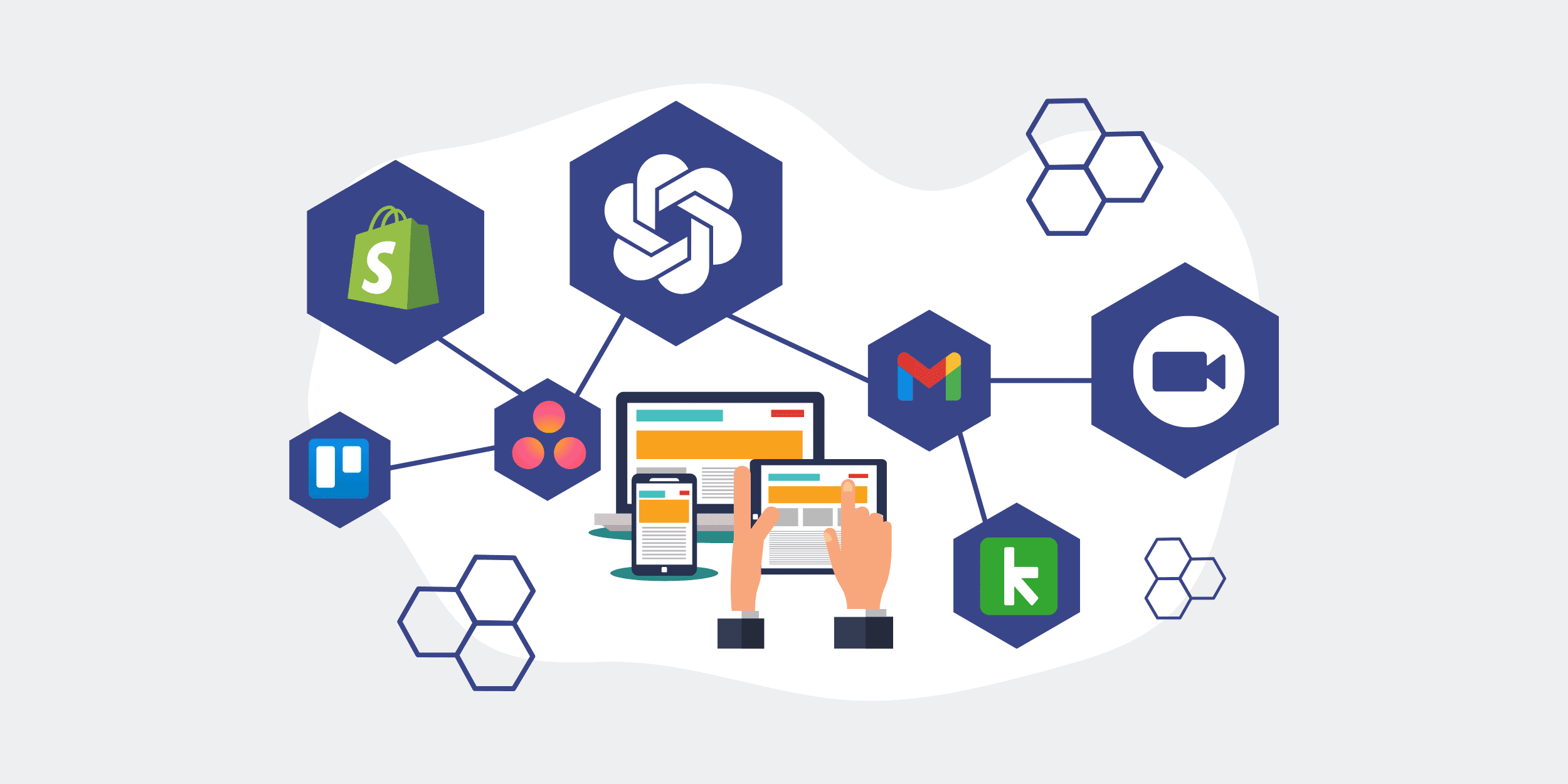
This is where strategic automation, powered by platforms like Make.com, transforms the narrative. At 4Spot Consulting, we specialize in implementing AI and automation solutions that eliminate these costly inefficiencies, allowing your team to focus on what truly matters. Our OpsMesh framework is designed to weave together disparate systems, creating a seamless, self-serving interview scheduling workflow.
Imagine a scenario where a candidate applies, is screened by an automated AI, and then, upon passing, automatically receives a link to a scheduling portal. They choose a time slot that works for them, which is instantly cross-referenced with interviewer availability, confirmed with all parties, and added to calendars. Follow-up reminders are automated, interview feedback forms are pre-filled, and the entire process runs without a single manual intervention from your recruitment team. This isn’t futuristic; it’s happening now.
We’ve helped clients like an HR tech firm save over 150 hours per month by automating their resume intake and parsing process using Make.com and AI enrichment, then syncing to Keap CRM. The same principles apply directly to interview scheduling, yielding similar dramatic results in time savings and efficiency. This leads to faster hires, reduced operational costs, and a significantly improved candidate and recruiter experience.
Our OpsMap™ diagnostic is the first step in uncovering these exact opportunities within your organization. We identify where manual scheduling is costing you the most, then design and implement robust, low-code automation solutions tailored to your unique needs. The goal is always the same: to save you 25% of your day, allowing your high-value employees to focus on high-value work.
The days of manual interview scheduling are numbered for businesses committed to efficiency and growth. Don’t let outdated processes silently erode your recruitment effectiveness and your bottom line. It’s time to leverage automation and AI to transform how you attract and onboard talent.
Ready to uncover automation opportunities that could save you 25% of your day? Book your OpsMap™ call today.
If you would like to read more, we recommend this article: Reducing Candidate Ghosting: The ROI of Automated Interview Scheduling