Making the Switch: A Recruiter’s Perspective on Make.com for Automation
The recruitment landscape is a constant race against time, where efficiency often dictates success. For years, many in HR and recruiting relied on various tools to streamline parts of their process, but true end-to-end automation remained elusive, often fragmented across multiple, disparate systems. We’ve seen countless recruiting teams grapple with this, losing valuable hours to manual data entry, follow-ups, and repetitive administrative tasks. The promise of automation was there, but the execution often fell short, leaving recruiters feeling more like data managers than talent strategists.
The Evolution of Recruitment Automation: Beyond Simple Integrations
When we talk about automation in recruiting, it’s easy to picture basic integrations like sending an email after a candidate applies. While useful, this barely scratches the surface of what’s possible today. The real game-changer isn’t just connecting two apps; it’s orchestrating complex workflows that mirror the nuanced journey of a candidate from initial outreach to successful onboarding. Recruiters, by their nature, are problem-solvers, and they instinctively recognize when a process is inefficient. The question then becomes, how do we empower them to not just identify bottlenecks but to eliminate them entirely?
Many solutions offer a piece of the puzzle, but few provide the comprehensive canvas needed to truly design and automate the intricate dance of modern recruitment. This is where a platform like Make.com enters the conversation, not as just another integration tool, but as an operational backbone for the entire recruiting function.
Why Recruiters are Looking Beyond Traditional Tools
For years, many companies adopted platforms that offered simple, event-triggered automations. These were a good start, but often hit a wall when faced with complex conditional logic, data manipulation, or multi-step processes involving several different SaaS applications. Recruiters often found themselves exporting data, cleaning it in spreadsheets, and then manually re-importing it elsewhere – negating much of the “automation” benefit. This leads to human error, data inconsistencies, and, critically, a slow candidate experience.
The imperative for recruiters isn’t just to fill roles, but to do so efficiently, cost-effectively, and with a superior candidate experience. In a competitive talent market, delays caused by manual processes can mean losing top talent. Traditional automation approaches often forced recruiters to adapt their processes to the tool, rather than the tool adapting to their optimal process. This is a fundamental flaw, and it’s precisely why a shift in perspective, and tools, is becoming essential.
Make.com: A Recruiter’s Toolkit for Strategic Automation
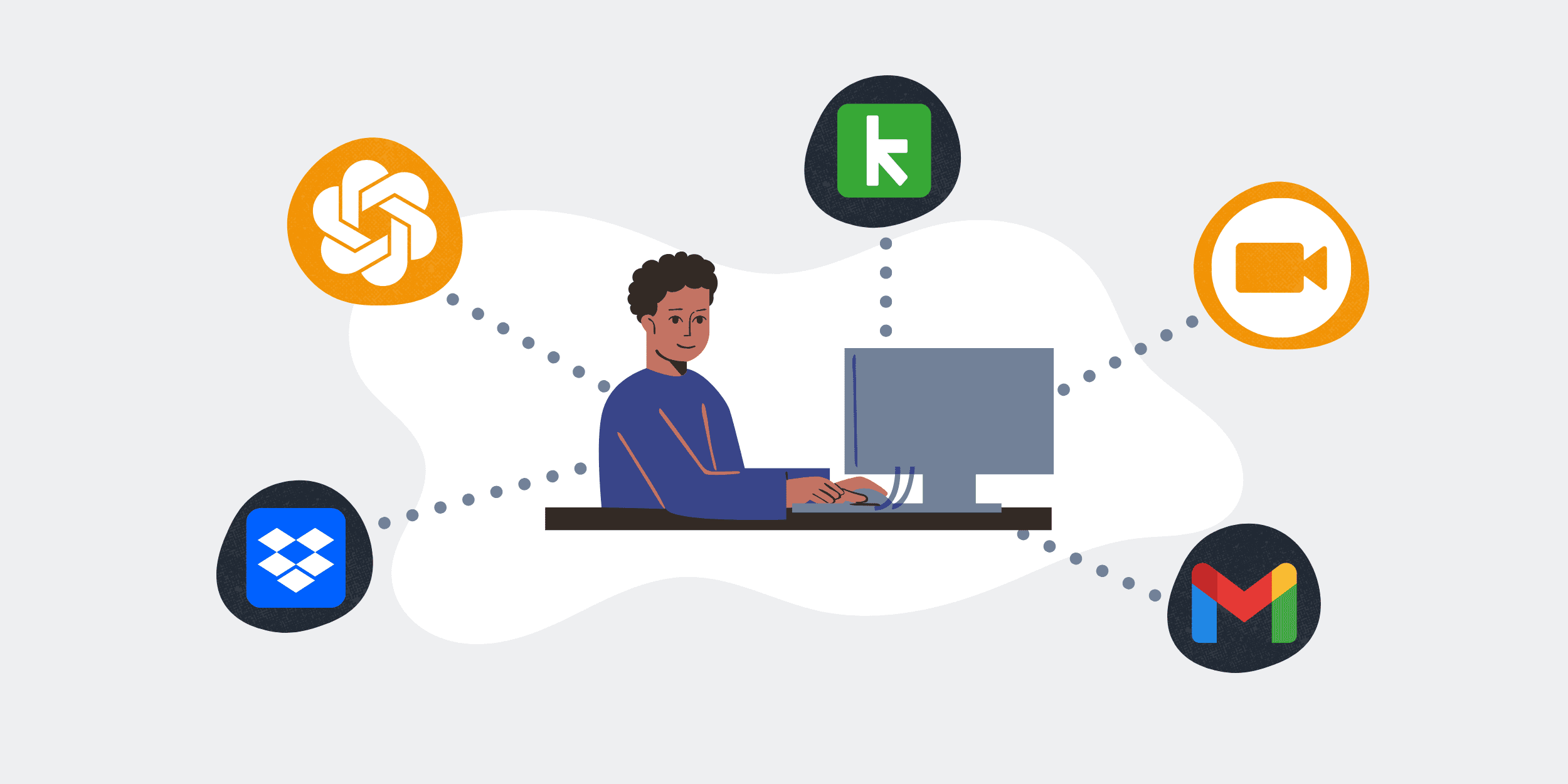
From a recruiter’s vantage point, Make.com offers a significant leap forward. It’s not about replacing your Applicant Tracking System (ATS) or CRM, but rather empowering them. Imagine a scenario where a candidate applies through your website, and Make.com automatically parses their resume, extracts key skills, enriches their profile with data from LinkedIn, schedules an initial screening call based on your calendar availability, sends personalized follow-up emails, and updates their status in your ATS – all without a single manual touch. This isn’t a futuristic dream; it’s a tangible reality with Make.com.
What makes Make.com particularly powerful for recruiters is its visual builder. It allows for the creation of intricate workflows (or “scenarios”) that can connect virtually any application with an API. This means whether you’re using Greenhouse, Lever, Workday, or a bespoke system, Make.com can act as the central nervous system, automating tasks like:
- Automated resume parsing and data entry into your CRM/ATS.
- Personalized outreach and follow-up sequences based on candidate stage.
- Scheduling interviews with automated calendar invites and reminders.
- Triggering assessment tests and consolidating results.
- Generating offer letters and onboarding documents with pre-filled candidate data.
- Automating background checks and reference requests.
- Creating unified candidate profiles by pulling data from multiple sources.
This level of control and customization translates directly into reduced administrative burden, freeing up recruiters to focus on what they do best: building relationships and identifying exceptional talent. It significantly reduces human error, ensuring consistent data and processes, and ultimately accelerates the hiring cycle. The immediate benefit is not just time saved, but a vastly improved experience for both the candidate and the internal hiring team.
Embracing the Future: A Strategic Move
Making the switch to a more robust, flexible automation platform like Make.com isn’t just about adopting new technology; it’s a strategic decision that reflects an understanding of modern recruitment’s demands. It’s about building an “OpsMesh” – a connected operational fabric – that allows HR and recruiting teams to be agile, data-driven, and highly efficient. Our experience at 4Spot Consulting shows that companies leveraging such advanced automation can save upwards of 25% of their day, redirecting that effort towards high-value activities that directly impact business growth.
The journey from manual, fragmented processes to seamless, intelligent automation requires a clear strategy and expert implementation. It begins with identifying your most significant bottlenecks and envisioning workflows that truly transform your recruitment operations. For recruiters, Make.com isn’t just a tool; it’s an opportunity to redefine their role, moving from reactive task management to proactive talent strategy, delivering measurable ROI and a competitive edge in the battle for talent.
If you would like to read more, we recommend this article: The Definitive Guide: Migrating HR & Recruiting from Zapier to AI-Powered Make.com Workflows